

Elemental analysis is a fundamental technique in various scientific fields, including chemistry, environmental science, geology, and materials science. It involves determining the elemental composition of substances, which is crucial for research, quality control, and compliance purposes. In recent years, portable elemental analyzers have become powerful tools that address some of the challenges associated with traditional elemental analysis methods. Traditional methods such as Atomic Absorption Spectroscopy (AAS), Inductively Coupled Plasma (ICP), and X-ray Fluorescence (XRF) require specialized laboratory equipment and highly trained personnel. These methods can be expensive, time-consuming, and not easily accessible. Additionally, they often require sample destruction, which is not always practical or desirable.
To overcome these challenges, scientists and engineers have turned to portable elemental analyzers, which offer many advantages in terms of efficiency, versatility, and accessibility. As a result, they have found widespread application in various fields, including environmental science, geology, materials science, pharmaceuticals, art conservation, metallurgy, food and agriculture, and more.
One of the key advantages of portable elemental analyzers is their portability. These devices are compact and lightweight, making them ideal for fieldwork. Researchers can take them to remote areas, manufacturing facilities, or any location where elemental analysis is required, without being constrained by laboratory environments. The versatility of portable analyzers is also noteworthy. These devices can analyze a wide range of sample types, from liquids and solids to powders and films. Whether you're assessing water quality, soil composition, metal alloys, or pharmaceutical product quality, portable elemental analyzers can provide fast and reliable results.
In many scientific and industrial applications, time is of the essence. Portable analyzers significantly reduce analysis time and can often provide results in seconds. This rapid analysis is crucial for quality control processes, ensuring that products meet specific elemental composition requirements. Furthermore, since portable analyzers are non-destructive, they are well-suited for evaluating samples that must remain intact, such as priceless artworks, archaeological artifacts, and cultural heritage items.
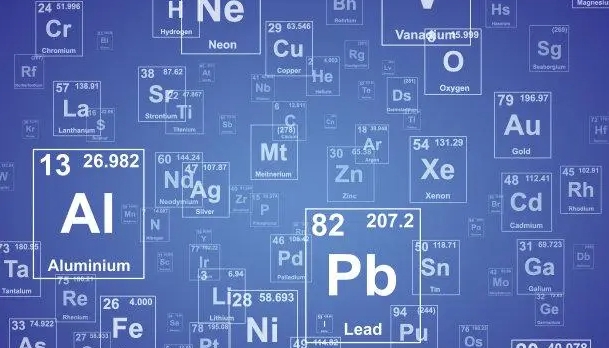
Portable elemental analyzers are designed with user-friendliness in mind. They typically come with intuitive interfaces and require minimal training to operate effectively. This accessibility means a broader range of professionals, from geologists to field inspectors, can perform elemental analysis without extensive laboratory training.
In some cases, real-time elemental composition data is needed for immediate decision-making. Portable analyzers provide this capability, allowing professionals to adjust processes or take corrective actions without delays. For example, in mining operations, real-time data on ore composition can guide mining and processing decisions.
X-ray Fluorescence Spectroscopy (XRF) is a non-destructive analytical technique used for elemental analysis. It is based on the fluorescence radiation emitted by a material when excited by X-rays, and the measurement of the energy and intensity of this fluorescence radiation is used to determine the elemental composition of a sample. The basic principle of XRF analysis is that when a sample is excited by high-energy X-rays, its atoms absorb X-ray energy and, upon absorption, release this energy, producing X-ray fluorescence radiation at specific energy levels. Each element has its unique X-ray energy levels, so measuring the energy and intensity of these fluorescence radiations can be used to determine which elements are present in a sample and their relative abundance. XRF finds wide application in geology, mining, environmental science, materials science, pharmaceuticals, metallurgy, the food industry, and many other fields. Handheld elemental analyzers are one of the primary detection tools based on XRF.
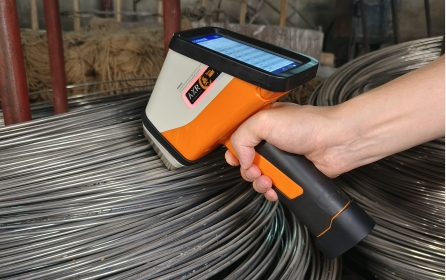
So, how do you choose the most suitable portable XRF instrument for your needs? Selecting the right portable XRF instrument involves considering multiple factors, including the application area, range of elements, performance requirements, sample types, portability, analysis speed, data processing and software, budget, support and training, safety standards, user feedback, and upgradability, among others. Based on these criteria, it is highly recommended to consider the various series of handheld analyzers from the AXR brand. This brand offers a wide range of applications, nearly covering all the application areas mentioned earlier. It can detect a range of elements, including Ti, V, Cr, Mn, Fe, Co, Ni, Hf, Ta, Re, Cu, Zn, W, Se, Pb, Bi, Zr, Nb, Mo, Al, Pd, Ag, Sn, Sb, and more, depending on the mode. The detectors used are High-performance Si-Pin detectors or Optimized SDD detectors. These instruments are suitable for a wide variety of sample types, are compact and lightweight, highly portable, provide fast analysis (typically 15 to 30 seconds per test), have reasonable software update frequencies, offer excellent value for money, and provide product training and regular updates. User feedback rates are above 95%, making it one of the most popular brands in its category.
Portable elemental analyzers have revolutionized the way scientists and industry professionals handle elemental analysis. Their portability, speed, and user-friendliness make elemental analysis more accessible and practical across various applications. As technology continues to evolve, these devices are likely to become even more sophisticated and indispensable, further simplifying the challenges associated with elemental analysis. Whether used for field research, quality control, or product development, portable elemental analyzers are becoming essential tools in modern analytical workflows.
 Your location:
