

In the world of analytical instrumentation, Hand-Held XRF (X-ray Fluorescence) Spectrometers have emerged as powerful tools that offer both portability and analytical capabilities. These devices have revolutionized the way we analyze and understand the elemental composition of various materials across diverse fields. From archeology to manufacturing, environmental monitoring to geology, Hand-Held XRF Spectrometers have found their way into a wide range of applications.
Handheld xrf Spectrometers operate on the principle of X-ray fluorescence. When a sample is exposed to high-energy X-rays, the atoms within the sample absorb this energy and become excited. As they return to their ground state, they emit characteristic X-ray fluorescence energy signatures that are unique to each element present in the sample. By detecting and analyzing these emitted X-rays, the spectrometer can identify the elements and determine their concentrations. AXR Terra900 Handheld metal analyzer is a good choice for analysis in many fields, delivering rapid, accurate results right in your hand. It is the ideal solution for checking and analyzing alloy, precious metals, coating thickness, soil, lithium battery etc. anytime anywhere with a fast and a non destructive way.
One of the most striking features of Hand-Held XRF Spectrometers is their portability. Unlike traditional laboratory-based instruments, these devices are designed to be lightweight and easy to transport. This portability enables researchers, engineers, and analysts to carry out on-site analyses without the need to transport samples back to a central lab. This is particularly valuable in situations where sample transport could be costly, time-consuming, or even damaging to the sample itself.
The versatility of Hand-Held XRF Spectrometers is evident in their wide range of applications:
Metals and Alloys Analysis: In manufacturing and metallurgy, these spectrometers are invaluable for assessing the composition of metals and alloys. Quality control and material verification benefit from rapid, non-destructive elemental analysis.
Hand-Held XRF Spectrometers can be used to analyze soil, water, and air samples for elemental pollutants. This aids in environmental monitoring, ensuring compliance with regulatory standards and identifying potential contamination sources.
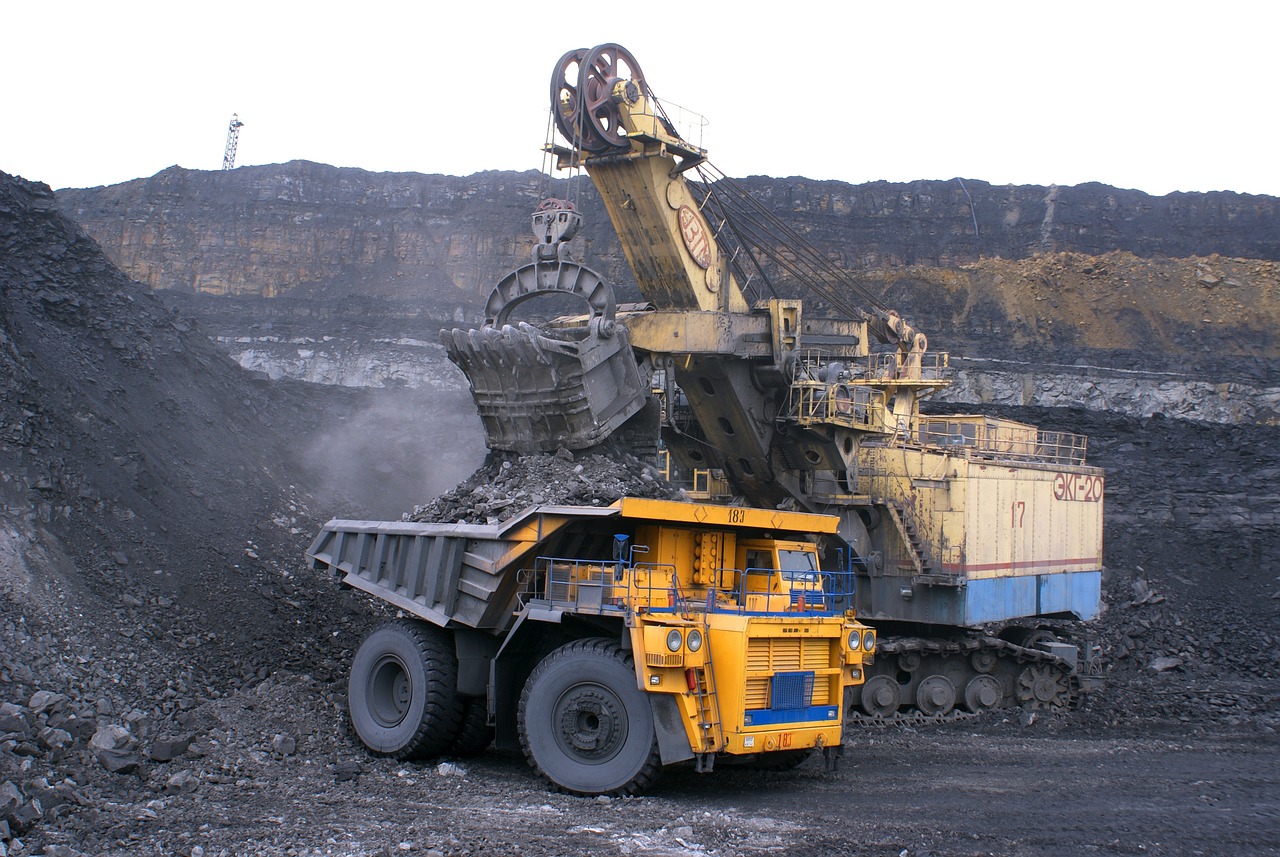
Geologists use these instruments to identify minerals and elements within rock formations. This information helps in understanding geological processes, locating mineral deposits, and conducting remote field analyses.
Analyzing artifacts and historical objects without causing damage is crucial in archaeology. Hand-Held XRF Spectrometers allow researchers to determine the elemental composition of materials used in ancient artifacts, aiding in provenance studies and material authenticity verification.
While Hand-Held XRF Spectrometers offer remarkable benefits, there are some limitations to keep in mind:
These devices excel in qualitative analysis, identifying the presence of elements. Quantitative analysis requires careful calibration and consideration of factors that can influence the measurements.
Some elements are more challenging to detect accurately using XRF, especially those with low atomic numbers or requiring high X-ray energy for excitation.
Sample presentation and surface conditions can affect measurement accuracy. Care must be taken to ensure consistent and representative measurements.
As technology continues to advance, Hand-Held XRF Spectrometers are likely to become even more versatile and capable. Improvements in sensitivity, resolution, and software algorithms will enhance their accuracy and expand their capabilities across various applications.
In conclusion, Hand-Held XRF Spectrometers have transformed the landscape of elemental analysis by providing a portable, rapid, and non-destructive solution to various analytical challenges. Their widespread adoption in fields ranging from archaeology to manufacturing showcases their adaptability and importance in advancing scientific understanding and technological innovation. As research and development continue, these instruments are poised to further revolutionize how we explore and analyze the elemental composition of materials in the world around us.
 Your location:
