

Earth's geological makeup has fascinated scientists, researchers, and explorers for centuries. Understanding the composition of rocks, minerals, and ores is essential not only for scientific curiosity but also for a wide range of practical applications, from mining and environmental analysis to archaeology and material science. To unravel the mysteries hidden within the Earth's crust, scientists and professionals turn to advanced tools like X-ray fluorescence (XRF) mineral analyzer. In this article, we will explore the profound impact of XRF mineral analyzers in unlocking the Earth's secrets.
XRF mineral analyzers are sophisticated instruments that utilize X-ray fluorescence to determine the elemental composition of geological samples. The basic principle involves bombarding a sample with X-rays, which in turn excite the atoms within the sample. As these atoms return to their ground state, they emit characteristic X-rays, each associated with a specific element. By measuring the energy and intensity of these emitted X-rays, an XRF analyzer can precisely identify and quantify the elements present in a sample.
Mining and Geology: XRF mineral analyzers are indispensable tools in mining and exploration. They enable geologists to quickly assess the mineral content of rock samples, aiding in ore prospecting and resource estimation. This data is essential for making informed decisions in the mining industry, optimizing resource extraction, and minimizing environmental impact.
Environmental Analysis: Environmental scientists use XRF analyzers to assess soil and sediment contamination, monitor air quality, and evaluate water samples. These instruments help identify pollutants and their sources, enabling effective environmental remediation strategies.
Archaeology and Cultural Heritage: XRF analyzers play a crucial role in preserving and studying cultural artifacts and heritage sites. Archaeologists use them to analyze the composition of archaeological materials, identify pigments in ancient artwork, and authenticate historical artifacts.
Material Science and Quality Control: XRF analysis is widely used in material science and quality control processes. Industries such as metallurgy, construction, and manufacturing rely on XRF analyzers to ensure the purity and consistency of raw materials and finished products.
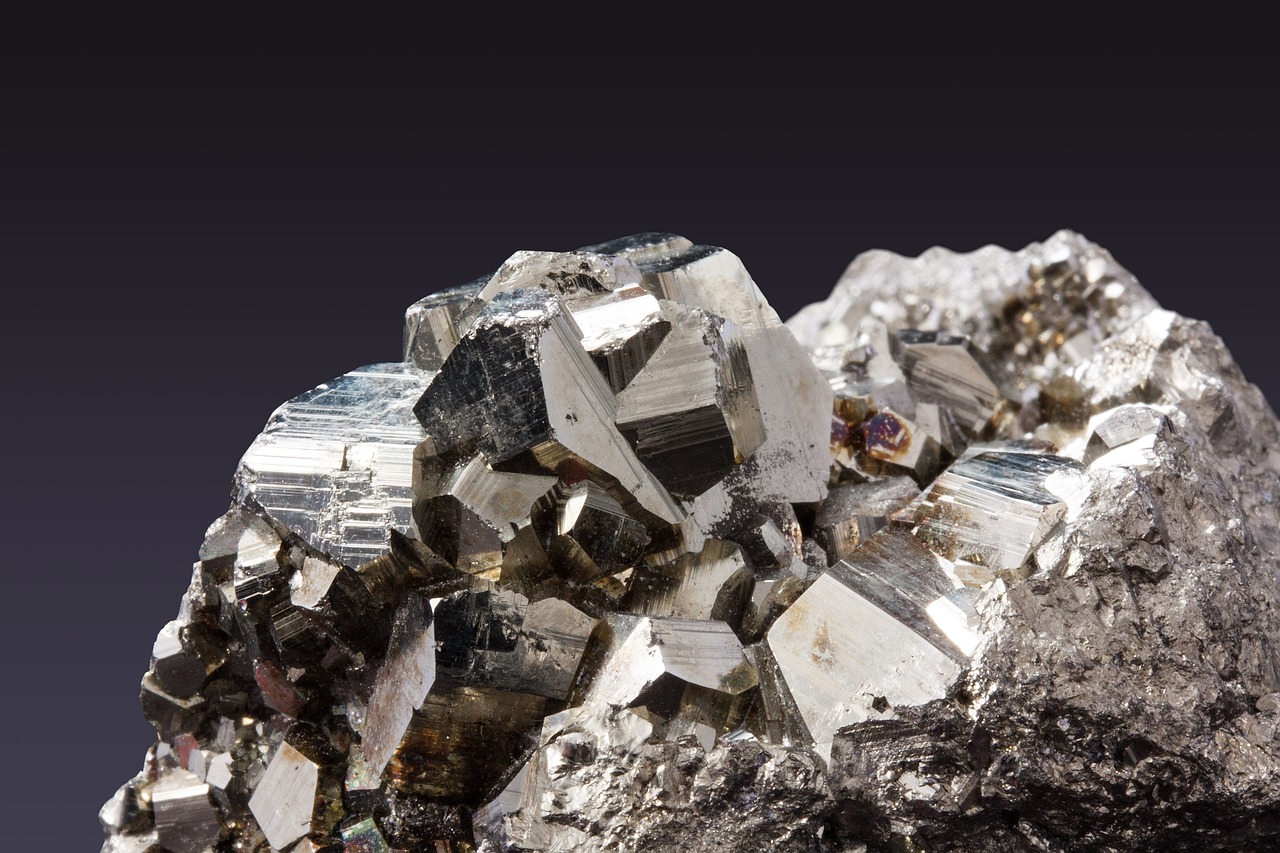
Non-Destructive: One of the most significant advantages of XRF analysis is that it is non-destructive. Samples do not need to be altered or prepared extensively, making it ideal for preserving valuable geological specimens or historical artifacts.
Speed and Efficiency: XRF mineral analyzers provide rapid results, allowing for real-time decision-making in various applications. This efficiency saves time and resources, particularly in exploration and quality control settings.
Accuracy and Precision: Modern XRF analyzers offer exceptional accuracy and precision in elemental analysis. They can detect a wide range of elements, from major to trace elements, with remarkable sensitivity.
Portability: The advent of handheld and portable XRF analyzers has made on-site analysis more accessible than ever before. Field geologists and environmental scientists can carry these devices to remote locations for immediate analysis.
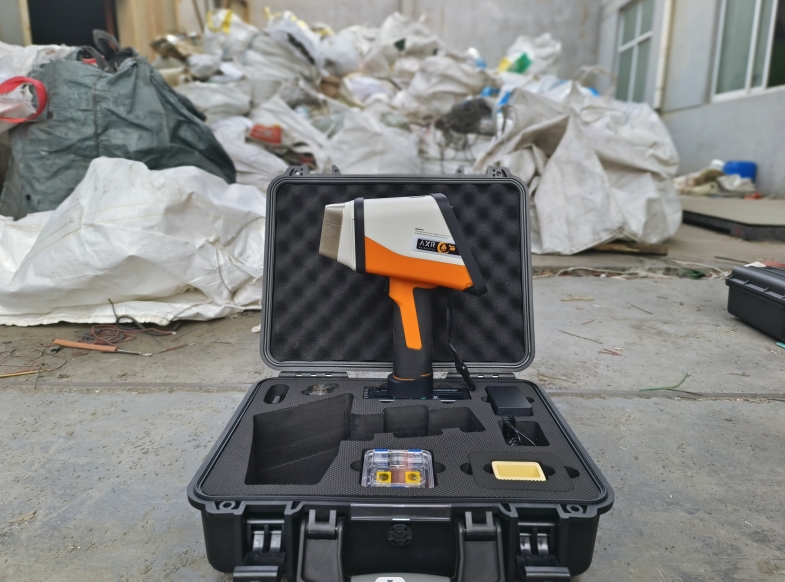
AXR Scientific Terra Handheld XRF allows you to directly make on-site geochemical analysis of mine face, drill core or prepared samples. On-site real time analysis with the AXR Scientific Terra handheld XRF mining analyzer will boost productivity by reducing turnaround times for results from days to seconds comparing to laboratory analysis. The Terra Series allows fast real-time surveys to quickly define ore boundaries and identify areas of highest potential profit.
In addition, Terra Series handheld XRF analyzer also has the following advantages:
(a) The handheld XRF analyzer is portable and easy to use on site
(b) Almost no sample preparation required for non-destructive testing
(c) Short detection time, reliable quantitative analysis results
XRF mineral analyzers have revolutionized the way we explore and understand the Earth's composition. Their non-destructive, fast, and accurate capabilities have broadened the scope of geological research and applications across various fields. By harnessing the power of X-ray fluorescence, scientists and professionals are continuously unlocking Earth's secrets, shedding light on its geological history, and driving innovation in resource management and environmental conservation. In an age where knowledge is paramount, XRF mineral analyzers serve as indispensable tools in our quest to unravel the mysteries of our planet.
 Your location:
