

In the realm of scientific analysis, precision and portability are often perceived as opposing factors. However, with the advancement of technology, handheld XRF analysers have emerged as innovators transforming fieldwork across various industries. These portable devices combine the capability of X-ray fluorescence (XRF) spectroscopic analysis with the convenience of mobility, enabling on-the-go elemental analysis with outstanding accuracy. This article explores how handheld XRF analyzers are reshaping fieldwork, unlocking new possibilities for researchers, archaeologists, geologists, environmental scientists, and more.
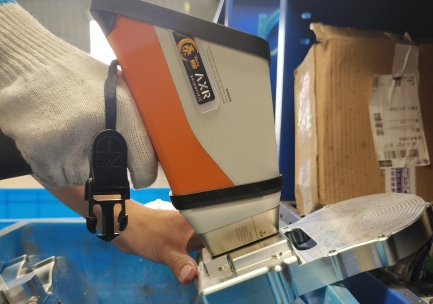
Handheld XRF technology refers to the application and associated techniques of portable X-ray fluorescence (XRF) analyzers. X-ray fluorescence analysis is a non-destructive method used to determine the chemical composition of materials. Handheld XRF technology integrates this analytical capability into portable devices, allowing users to perform rapid elemental analysis on-site. Handheld XRF analyzers typically consist of a handheld detector and a portable instrument host. The detector emits X-ray beams onto the sample under examination, and after interaction with the sample, it emits fluorescent X-rays of specific energies. The detector captures these fluorescent X-rays and converts them into electrical signals. By analyzing these signals, the host instrument can identify different elements present in the sample and their respective concentrations.
One of the primary areas where handheld XRF analyzers have made a significant impact is in the field of geology and mining. Geologists and mining professionals can now perform on-the-spot analyses of rock and soil samples, aiding in mineral exploration and resource estimation. The ability to rapidly assess the elemental composition of geological materials in the field facilitates quick decision-making and streamlines the exploration process.
Environmental scientists and regulatory authorities benefit from the portability and accuracy of handheld XRF analyzers in monitoring pollution and assessing environmental contamination. These devices enable rapid analysis of soil, water, and air samples, contributing to more effective environmental management and pollution control efforts.
In industries such as manufacturing and construction, the identification of metal alloys is crucial for ensuring product quality and safety. Handheld XRF analyzers facilitate quick and reliable identification of metal compositions, allowing for immediate decisions in the field regarding material suitability and compliance with industry standards.

The adoption of handheld XRF analyzers is driven by several key advantages. Their portability eliminates the need to transport samples to a laboratory, saving time and reducing the risk of sample contamination. Additionally, these devices provide real-time results, enabling on-site researchers to make informed decisions. The non-destructive nature of XRF analysis ensures the integrity of samples, particularly crucial when analyzing precious or irreplaceable materials.
Specifically, handheld XRF analyzers boast rapid analysis capabilities. These devices can analyze a variety of materials, including metals, soil, rocks, and even liquids, within seconds, providing valuable elemental information. The ability for real-time analysis allows scientists to swiftly make decisions, assess material compositions, detect pollutants, and ensure quality control. This accelerates the research process, enhances project progression speed, and overall productivity.
With advancements in XRF technology, handheld analyzers offer high precision and sensitivity comparable to larger laboratory equipment. Incorporating built-in calibration technology and sophisticated algorithms, these analyzers provide accurate data for a wide range of elements, often requiring minimal sample preparation. This reliability makes them indispensable tools in fieldwork, where precise elemental analysis is crucial.
So, how do you choose the most suitable portable XRF instrument for your needs? Selecting the right portable XRF instrument involves considering multiple factors, including the application area, range of elements, performance requirements, sample types, portability, analysis speed, data processing and software, budget, support and training, safety standards, user feedback, and upgradability, among others. Based on these criteria, it is highly recommended to consider the various series of handheld analyzers from the AXR brand. This brand offers a wide range of applications, nearly covering all the application areas mentioned earlier. It can detect a range of elements, including Ti, V, Cr, Mn, Fe, Co, Ni, Hf, Ta, Re, Cu, Zn, W, Se, Pb, Bi, Zr, Nb, Mo, Al, Pd, Ag, Sn, Sb, and more, depending on the mode. The detectors used are High-performance Si-Pin detectors or Optimized SDD detectors. These instruments are suitable for a wide variety of sample types, are compact and lightweight, highly portable, provide fast analysis (typically 15 to 30 seconds per test), have reasonable software update frequencies, offer excellent value for money, and provide product training and regular updates. User feedback rates are above 95%, making it one of the most popular brands in its category.
While handheld XRF analyzers have indeed revolutionized fieldwork, they are not without challenges. One limitation is the depth of analysis, as handheld devices can only penetrate a certain thickness of material. Additionally, the heterogeneity of samples, surface roughness, and the presence of coatings may influence the accuracy of the analysis results. However, ongoing technological advancements are addressing these challenges, achieving improvements in functionality and expanding the potential applications of handheld XRF analyzers.
Handheld XRF analyzers have become invaluable tools, bringing precision and analytical capability to on-site work. Their portability, rapid analysis capabilities, accuracy, and versatility have transformed the way researchers and professionals conduct fieldwork. As technology continues to evolve, we can expect further enhancements, overcoming current limitations and unlocking new possibilities. By picking up a handheld XRF analyzer, scientists and professionals can break free from the constraints of the laboratory, achieving precision on the go and fundamentally transforming the fields they study and practice in.
 Your location:
