

In on-site work across various scientific fields, conducting rapid and accurate elemental analysis of samples is an essential step in making real-time decisions. Traditional laboratory methods are not always feasible in remote or dynamic environments. In such scenarios, handheld X-ray fluorescence (XRF) spectrometers have become indispensable tools, revolutionizing the way researchers, geologists, archaeologists, and environmental scientists perform on-the-go elemental analysis. Fieldwork in diverse scientific domains often necessitates real-time analysis of the elemental composition. Historically, this process involved collecting samples and transporting them to a laboratory for analysis, leading to delays and logistical challenges. However, with technological advancements, handheld X-ray fluorescence (XRF) spectrometers have fundamentally transformed fieldwork by providing rapid and immediate elemental analysis.
Handheld X-ray fluorescence (XRF) spectrometers are portable devices that utilize X-ray fluorescence to analyze the elemental composition of samples. These instruments emit X-rays onto the sample, causing atoms to emit characteristic fluorescent X-rays. By detecting and analyzing these X-rays, the spectrometer can determine the presence and concentration of various elements in the sample. XRF spectrometer handheld are compact, easy to operate, and can provide nearly instant results, making them highly suitable for on-the-go analysis.
Handheld XRF spectrometers utilize X-ray technology to identify and quantify the elemental composition of a given sample. These portable devices have evolved significantly in recent years, boasting improved sensitivity, speed, and ease of use. Capable of analyzing a wide range of materials, from metals and minerals to soils and artifacts, handheld XRF spectrometers have become versatile solutions for on-site research.
AXR Scientific Terra Handheld XRF allows you to directly make on-site geochemical analysis of mine face, drill core or prepared samples. On-site real time analysis with the AXR Scientific Terra handheld XRF mining analyzer will boost productivity by reducing turnaround times for results from days to seconds comparing to laboratory analysis. The Terra Series allows fast real-time surveys to quickly define ore boundaries and identify areas of highest potential profit.
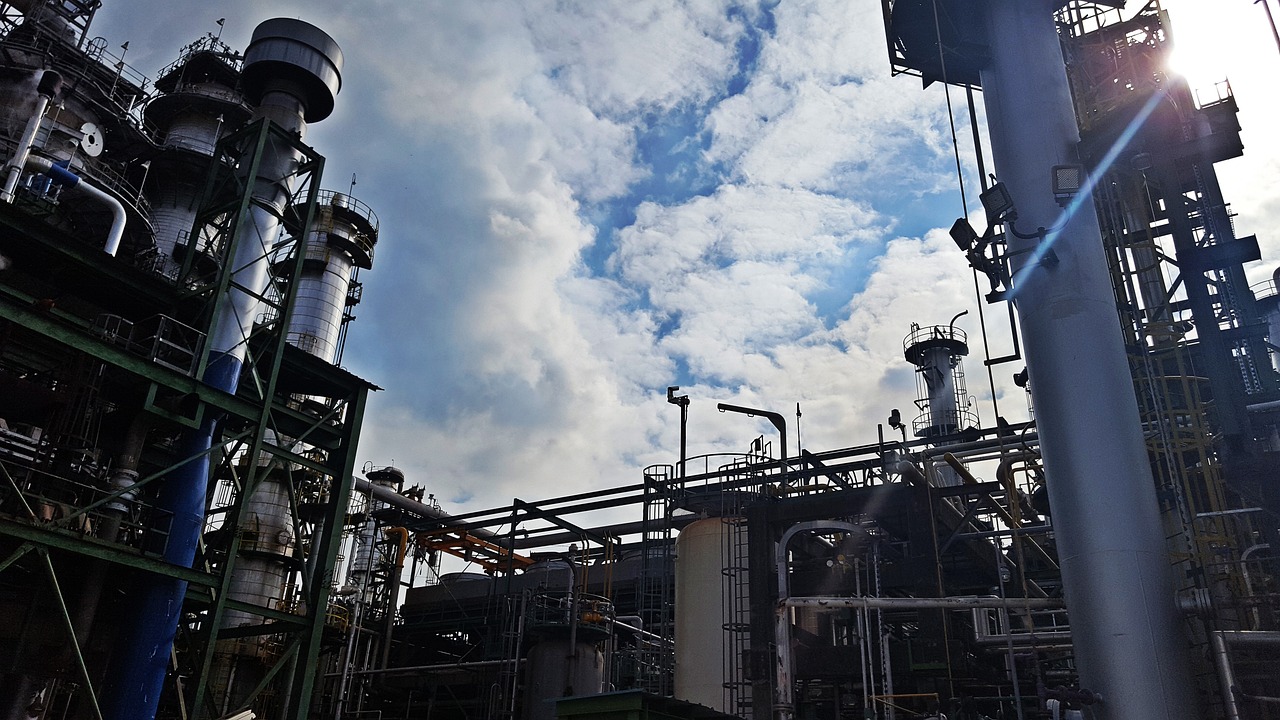
(a) The handheld XRF analyzer is portable and easy to use on site
(b) Almost no sample preparation required for non-destructive testing
(c) Short detection time, reliable quantitative analysis results
Advantages of On-the-Go Elemental Analysis include portability, rapid results, multi-element analysis, and non-destructive analysis. The primary advantage of handheld XRF spectrometers lies in their portability. Researchers can easily carry these compact devices to remote areas, enabling real-time analysis without the need to transport samples back to the laboratory. Time is often a critical factor in on-site work. Handheld XRF spectrometers provide rapid results, allowing researchers to make immediate decisions on-site without waiting for laboratory reports. This speed is particularly crucial in time-sensitive projects or when dealing with perishable samples. Handheld XRF spectrometers are capable of simultaneously analyzing multiple elements. This feature is essential for obtaining comprehensive data on complex samples, such as geological formations or archaeological artifacts, enhancing the overall efficiency of on-site investigations. Unlike some traditional methods that require destructive sampling, handheld XRF spectrometers offer non-destructive analysis. This is especially crucial when working with precious artifacts or samples that cannot be altered.
The handheld XRF spectrometer finds application across diverse industries, including geology and mining, archaeology, and metallurgy.
Geologists use handheld XRF spectrometers to assess the elemental composition of rocks and minerals in the field. This aids in mineral exploration, resource assessment, and decision-making during mining operations. Handheld XRF spectrometers have transformed the way geologists and miners conduct fieldwork. Geologists can rapidly analyze rock samples, ores, and soils to determine their mineral content, facilitating resource assessment and exploration efforts. The quick detection of valuable elements, such as gold or rare earth metals, helps streamline decision-making processes and reduces unnecessary sample collection. Additionally, these devices can identify potential environmental contaminants, enabling efficient site characterization and remediation efforts.
Archaeologists benefit from on-the-go elemental analysis to study artifacts and excavated materials. This technology helps determine the origin of objects, identify manufacturing techniques, and gain insights into historical trade routes. Handheld XRF spectrometers play a crucial role in archaeological excavation and art preservation. These devices can swiftly analyze artifact samples, assisting researchers in determining the composition of ancient metals, ceramics, pigments, and coatings. By understanding the materials used, conservation personnel can formulate appropriate preservation strategies and gain deeper insights into history.
In the field of metallurgy, these spectrometers are employed to analyze metal alloys, ensuring quality control in manufacturing processes and facilitating material identification. Handheld XRF spectrometers are widely utilized in industrial quality control processes. They can perform real-time analysis of raw materials, finished products, and components, ensuring compliance with industry standards and specifications. By rapidly identifying deviations in elemental composition, manufacturers can immediately take corrective measures, reducing production delays and enhancing product quality.
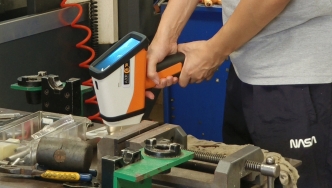
Handheld XRF spectrometers have revolutionized fieldwork across various industries and research fields by providing rapid and real-time elemental analysis. The portability, ease of use, and nearly instantaneous results of these devices have enhanced work efficiency and decision-making processes. The applications of handheld XRF spectrometers span geology and mining, environmental monitoring, archaeology, art preservation, and industrial quality control, making them indispensable tools for on-the-go elemental analysis. Handheld XRF spectrometers have become invaluable instruments for researchers in diverse fields, empowering them to conduct on-the-fly elemental analysis in diverse and challenging environments. The portability, speed, and versatility of these devices have fundamentally transformed on-site work, enabling scientists to efficiently collect crucial data and make informed decisions in real time. As technology continues to advance, handheld XRF spectrometers are poised to play an increasingly vital role in the future of on-site elemental analysis.
 Your location:
