

In the field of material analysis, portable X-ray fluorescence (XRF) has emerged as a transformative technology, providing an instant solution for elemental analysis. As professionals increasingly recognize the advantages of this portable and efficient tool, a thorough exploration of the financial considerations, cost factors, and overall budget strategy for introducing portable XRF analysis into various industries becomes crucial. Portable X-ray fluorescence (XRF) analysis is a valuable tool for material identification, quality control, and environmental testing. This non-destructive analytical technique can rapidly and accurately determine the elemental composition of various samples. However, when implementing portable XRF analysis, considering associated costs is key to ensuring a successful budget strategy. This article delves into the financial considerations, cost factors, and overall budget strategy related to the adoption of portable XRF cost.
The primary cost for portable XRF analysis is the initial investment in the instrument itself. The journey to successfully introduce portable XRF analysis begins with understanding the required initial investment. While these devices offer a cost-effective alternative to traditional laboratory setups, there is still an upfront cost to acquire this technology. Factors influencing the initial investment include the brand and model of the portable XRF device, its analytical capabilities, and additional features such as data management and user interface. Portable XRF analyzers come in various models and functionalities, with prices ranging from thousands to tens of thousands of dollars. The cost of the instrument is influenced by factors such as the required analytical performance, detection limits, and additional features. When assessing analytical needs and budget constraints, careful selection of the instrument, balancing price and functionality, is essential.
Beyond the initial investment, professionals need to consider daily maintenance costs and calibration requirements. Regular maintenance ensures the longevity and optimal performance of portable XRF devices. Calibration is a crucial factor for accurate analysis and may involve additional costs. However, advancements in technology have led to more user-friendly calibration processes, reducing the overall costs associated with portable XRF analysis. To ensure accurate and reliable results, regular maintenance and calibration of portable XRF analyzers are necessary. This includes routine cleaning, detector maintenance, and regular calibration using certified reference materials. Manufacturers typically offer service plans or maintenance contracts covering these activities and charge an annual fee. When budgeting for portable XRF analysis, it is advisable to consider these maintenance costs to maintain the instrument's performance and lifespan.
Another factor to consider in the budgeting process is the cost of consumables and accessories. Depending on the specific portable XRF device, there may be consumables such as sample cups, films, or other critical components for the analysis process. Understanding the frequency of consumable replacements and their associated costs is crucial for effective budget planning. While portable XRF analysis eliminates the need for extensive sample preparation for many sample types, certain samples may still require minimal processing. This may include grinding, homogenization, or sample encapsulation. Additionally, depending on the application, specific sample cups, films, or other consumables may be required. When budgeting for portable XRF analysis, it is essential to consider the costs associated with sample preparation and consumables to ensure accurate and efficient analysis.
Ensuring personnel can proficiently operate portable XRF devices is crucial for obtaining accurate and reliable results. Budget considerations should include training plans and skill development programs. Investing in the knowledge and proficiency of users not only enhances the quality of the analysis but also contributes to overall operational efficiency. Adequate training for personnel is essential to obtaining reliable and meaningful results from portable XRF analysis. Investing in operator training programs or workshops can maximize the potential of the instrument and minimize errors. Training costs should be considered in the budgeting process to ensure the overall success of portable XRF analysis.
Modern portable XRF devices come equipped with advanced data analysis and management software. Understanding the functionality and capabilities of these software solutions is crucial. The budget includes potential costs for software updates, licenses, and integration with existing systems to ensure seamless data management and analysis, maximizing the value of portable XRF technology. Effective data management plays a crucial role in the success of portable XRF analysis. Investing in software solutions that facilitate data organization, analysis, and reporting can streamline workflows and ensure compliance with regulatory requirements. Software costs may vary depending on the complexity of the analysis and required functionalities. When budgeting for data management, it is essential to evaluate different software options and consider their compatibility with portable XRF analyzers.
When budgeting for portable XRF analysis, the operational costs associated with daily use must be considered. These costs may include energy consumption, transportation, and other expenses related to specific industries or application areas. Evaluating the return on investment (ROI) is a key metric to determine the overall success of seamlessly integrating portable XRF analysis into workflows. A thorough understanding of the financial considerations, cost factors, and overall budget strategy is essential for the successful implementation of portable XRF analysis. While portable XRF analysis provides a cost-effective solution for elemental analysis, thoughtful budgeting ensures the seamless integration of this technology, realizing its full potential across various industries.
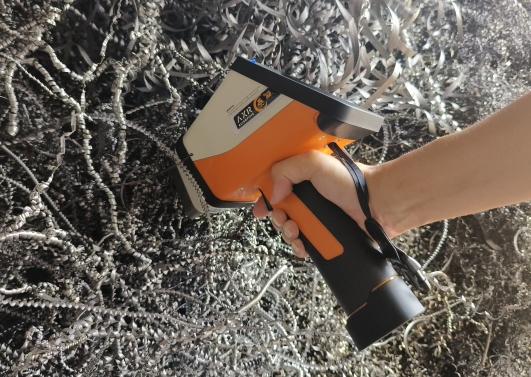
As a result, Handheld XRF Analyzer Terra990 is a good choice for you. Here are some features of it.1.Fast Results. Terra 900' algorithm perfectly adopts powerful fundamental parameters method (FP). With a triggering, the alloy grade can be identified within 1-2 seconds. 2.Nondestructive Analysis. Unlike destructive testing, samples remain undamaged by X ray. 3.Easy to Operate. Ergonomic design, light weight, small size and good balance for holding in hand. Large capacity of battery ensures work for 10-12 hours for onsite testing without worrying recharging. 4.Minimal Maintenance Cost. Anti-puncture window design effectively protects the front end of the device.Rugged design with IP54 standard dustproof and waterproof. 5.Minimal Training. With easy operation design, user needs the minimal training for operation. Icon-style user interface very intuitive and simple.
Successfully budgeting for portable XRF analysis involves a comprehensive understanding of various aspects, including initial investment, ongoing maintenance, consumables, training, software, and operational costs. Professionals undertaking the implementation of this transformative technology require strategic planning and wise decision-making. While portable XRF analysis offers an economically efficient solution for elemental analysis, thoughtful budgeting ensures seamless integration of this technology and harnesses its full potential across industries. Budgeting for portable XRF analysis requires careful consideration of the various expenses involved. Understanding the initial investment, instrument maintenance, sample preparation, personnel training, and data management costs is crucial for a successful budgeting strategy. By factoring in these expenses and making informed decisions, organizations can effectively utilize portable XRF analysis for material analysis, quality control, and environmental testing while optimizing resources and achieving long-term success.
 Your location:
