

Portable spectrophotometers have become indispensable tools in various industries, enabling on-the-go analysis of materials' spectral characteristics. From quality control in manufacturing to environmental monitoring and scientific research, these devices provide valuable insights into the properties of different substances. However, with a wide range of options available in the market, it's important to understand what factors to consider when comparing portable spectrophotometer prices before making a purchase decision.
The cost of portable spectrophotometers can vary significantly based on several factors. Here's a breakdown of what influences the price range:
Brand and Manufacturer: Well-established brands often command higher prices due to their reputation for quality and reliability. While lesser-known manufacturers might offer more budget-friendly options, it's essential to balance price with performance and support.
Performance and Features: The capabilities of a spectrophotometer directly impact its cost. Basic models with limited wavelength ranges and simpler features are generally more affordable. However, advanced models boasting a broader spectrum, higher resolution, and specialized functionalities will come at a premium.
Application Range: Different industries require different spectrophotometer features. Consider whether the device suits your intended applications. A device designed for color measurement in the textile industry, for example, might have specific features that aren't necessary for environmental monitoring.
Accessories and Extras: Some devices come bundled with accessories such as sample holders, calibration standards, and software. While these add-ons can enhance usability, they can also drive up the overall cost.
Market and Region: Prices can vary by geographic location due to market competition, taxes, and shipping costs. Be sure to factor in any additional expenses associated with sourcing the device.

Before comparing portable spectrophotometer prices, consider the following factors to ensure you're making an informed decision:
Start by defining your specific requirements. Are you looking for color measurement, material analysis, or something else? The features you need will determine the price range you should explore.
Evaluate the features offered by different models. Do you need a wide wavelength range, high resolution, or specialized measurement modes? Prioritize features that align with your applications.
Consider the accuracy and precision required for your measurements. Some applications demand higher levels of precision, which might necessitate investing in a more advanced and, subsequently, pricier model.
Factor in not only the initial purchase price but also the cost of maintenance, calibration, and potential repairs. Cheaper initial options might incur higher long-term costs if they require frequent calibration or have limited durability.
Well-known brands often offer better customer support, warranties, and reliable performance. Research customer reviews and the manufacturer's reputation for quality and service.
Compare prices from multiple vendors and retailers. Prices can vary between suppliers, so it's crucial to shop around to get the best deal.
Consider whether the spectrophotometer can accommodate your future needs. Investing in a slightly more expensive model with room for growth might be a cost-effective choice in the long run.
If your team needs training to operate the device effectively, factor in the associated costs. Additionally, user-friendly interfaces can save time and reduce the learning curve.
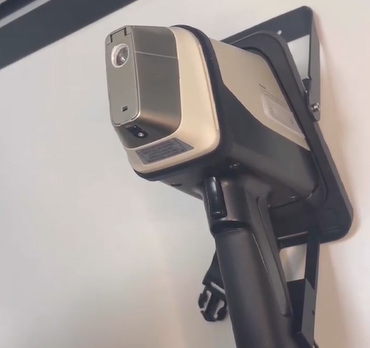
As a result, Handheld XRF Analyzer Terra990 is a good choice for you. Here are some features of it.1.Fast Results. Terra 900' algorithm perfectly adopts powerful fundamental parameters method (FP). With a triggering, the alloy grade can be identified within 1-2 seconds. 2.Nondestructive Analysis. Unlike destructive testing, samples remain undamaged by X ray. 3.Easy to Operate. Ergonomic design, light weight, small size and good balance for holding in hand. Large capacity of battery ensures work for 10-12 hours for onsite testing without worrying recharging. 4.Minimal Maintenance Cost. Anti-puncture window design effectively protects the front end of the device.Rugged design with IP54 standard dustproof and waterproof. 5.Minimal Training. With easy operation design, user needs the minimal training for operation. Icon-style user interface very intuitive and simple.
When comparing portable spectrophotometer prices, remember that the cheapest option might not always be the best choice for your specific needs. Balancing your requirements with features, performance, and long-term costs will ensure you make a well-informed decision that aligns with your objectives. By taking the time to research and evaluate different models, you can confidently invest in a portable spectrophotometer that adds value to your work while fitting within your budget.
 Your location:
