

Handheld metal detectors have evolved from their primary use in security and law enforcement to becoming valuable tools in material analysis, including alloy identification. Whether you're in the manufacturing industry, a materials engineer, or a field researcher, selecting the right handheld metal detector for alloy analysis is crucial. In this comprehensive guide, we will walk you through the key factors to consider when choosing handheld metal detector for sale specifically for alloy analysis.
Begin your selection process by defining the primary purpose and application of the handheld metal detector. For alloy analysis, you'll want a device that can accurately identify the composition of metal alloys. Consider whether you need it for quality control, research, or fieldwork.
The detection capability of a handheld metal detector is essential for alloy analysis. Look for a model that can identify a wide range of metals and alloys, including ferrous and non-ferrous metals. High detection sensitivity is crucial for accurate results.
Handheld metal detectors use various technologies, including Pulse Induction (PI) and Very Low Frequency (VLF). PI detectors are known for their depth penetration and can be effective for alloy analysis. Additionally, choose a model that offers different operating modes, such as pinpointing or discrimination, to enhance your analysis capabilities.
Accurate alloy analysis requires precise detection and identification. Look for a handheld metal detector that provides accurate results with minimal false alarms. Models with adjustable sensitivity and discrimination settings can help you fine-tune your analysis.

An intuitive user interface and a clear display are crucial for efficient alloy analysis. Choose a detector with an easy-to-read screen that provides real-time information about detected metals and their compositions.
Consider the portability and ergonomics of the handheld metal detector. If you'll be using it in the field or for extended periods, a lightweight and comfortable design is essential. Look for models with ergonomic handles and adjustable shafts for easy use.
Check the battery life of the detector, as it can significantly impact your workflow. Some models offer rechargeable batteries, while others use disposable ones. Ensure the battery life aligns with your usage requirements.
For efficient alloy analysis, choose a detector that can store and transfer data. Some models come with data storage capabilities or Bluetooth connectivity, allowing you to save and analyze results on a computer or mobile device.
Set a budget for your handheld metal detector purchase based on your specific requirements. While high-end models may offer advanced features, you can find quality detectors that meet your alloy analysis needs without breaking the bank.
Opt for a reputable brand with a track record of producing reliable metal detectors. Brands that offer warranties and strong customer support can provide peace of mind and assistance in case of issues or repairs.
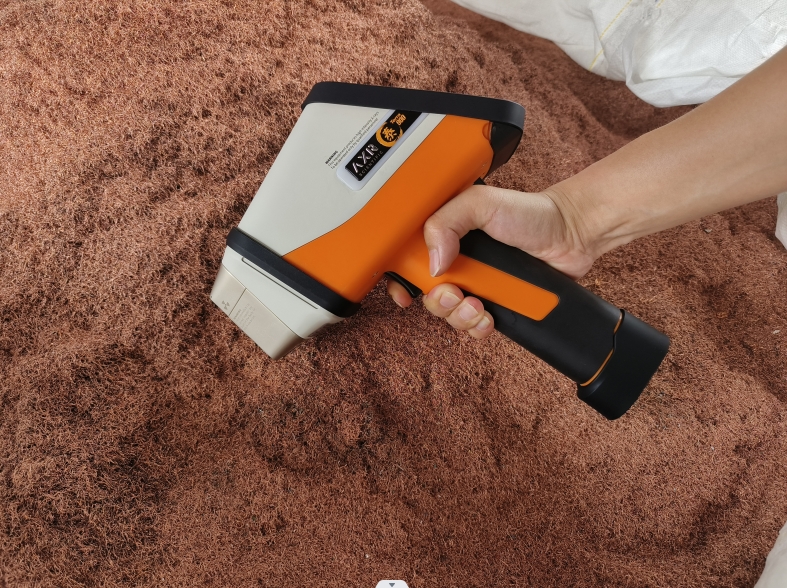
Choosing the right handheld metal detector for alloy analysis is crucial for obtaining accurate and reliable results. By considering factors like purpose, detection capability, technology, accuracy, user interface, portability, battery life, data storage, budget, and brand reputation, you can make an informed decision when browsing handheld metal detectors for sale. Remember that the perfect detector for alloy analysis should align with your specific needs and provide you with the precision required for your material analysis tasks.
Therefore, the handheld XRF alloy analyzer is your best choice. It not only has the purchasing points covered in this article, but more importantly, it has the following advantages: The Terra 990 Handheld XRF Precious Metal Analyzer provides a complete solution for elemental analysis in the production, sale and recycling of precious metal products. The instrument is equipped with a high-performance X-ray excitation device and Si-PIN detector, which can achieve accurate quantitative analysis. Customers can also choose a silicon drift detector (SDD) to improve the resolution of the instrument and reduce the time required for analysis
 Your location:
