

Quality assurance and accurate material analysis are essential in various industries, from mining and manufacturing to environmental monitoring and archaeology. Handheld X-ray Fluorescence (XRF) analyzers have become indispensable tools for achieving precise elemental analysis. However, for many organizations, acquiring new XRF analyzers can be a significant investment. Fortunately, there is a cost-effective solution – handheld XRF analyzer used for sale. In this article, we'll explore the benefits and considerations of opting for used XRF analyzers while maintaining high-quality assurance.
Affordability: Used XRF analyzers are considerably more budget-friendly than their brand-new counterparts. This cost savings can be particularly advantageous for smaller companies, research institutions, or startups with limited financial resources.
Proven Reliability: Many used XRF analyzers have a history of reliable performance. These instruments have often been well-maintained and have undergone regular calibration, making them a dependable choice for accurate material analysis.
Quick Acquisition: When you purchase a used XRF analyzer, you can typically get your hands on it faster than if you were to order a new one. This can be crucial when you have immediate analysis needs or tight project deadlines.
Comparable Performance: Depending on the age and condition of the used analyzer, its performance can be on par with newer models. Advancements in technology have led to long-lasting and durable instruments.
Reduced Depreciation: New instruments often depreciate in value quickly. With a used XRF analyzer, you won't experience the same level of depreciation, preserving your investment.

Condition and Maintenance: Carefully assess the condition of the used XRF analyzer. Inquire about its maintenance history, calibration records, and any past repairs. A well-maintained instrument is more likely to offer consistent and accurate results.
Warranty and Support: Check if the seller or manufacturer offers any warranty or support for the used analyzer. Having access to technical support and repair services can be crucial for long-term usability.
Software and Updates: Ensure that the used XRF analyzer comes with the necessary software and that it can be updated if needed. Software compatibility is essential for data analysis and reporting.
Compatibility and Accessories: Verify that the used analyzer is compatible with your specific applications and sample types. Consider any additional accessories or sample preparation equipment that may be required.
Price Comparison: Research the market to compare prices for used XRF analyzers. Consider factors like age, condition, brand reputation, and included accessories when evaluating the price.
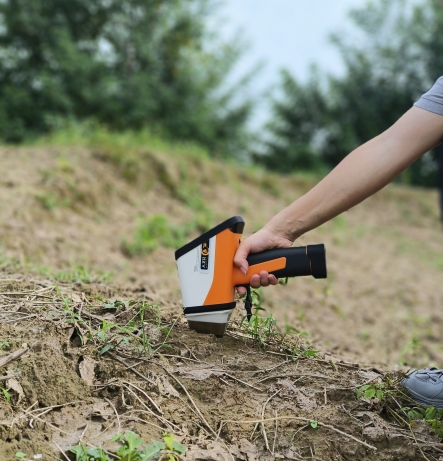
Based on the selection suggestions provided in the article, we recommend the Handheld Alloy Analyzer Terra900 Series. Due to the advanced electronics and state-of-the-art mathematical algorithms, Terra900 series provide ultimate quality of measurement within a couple of seconds, which makes it the ideal solution for checking and analyzing incoming material, finished goods and in process production pars with a non destructive way. With operating simplicity, you can view the alloy grade and chemistry on the touch screen display with just a few seconds to obtain lab-quality chemistry, requiring minimal training and little or no sample preparation for all shape and size of sample.
Quality assurance doesn't have to break the bank, thanks to the availability of used handheld XRF analyzers for sale. These cost-effective solutions offer affordability without compromising on reliability or performance. When considering the purchase of a used XRF analyzer, it's crucial to thoroughly assess its condition, maintenance history, and compatibility with your needs. With careful research and due diligence, you can acquire a dependable used XRF analyzer that meets your material analysis requirements while staying within budget.
 Your location:
