

For decades, the analysis of heavy metals was a process defined by its geography. If you needed to know the composition of a piece of scrap metal, the level of lead in contaminated soil, or the purity of a precious metal alloy, there was only one place to go: the laboratory. This meant cutting a sample, packaging it, shipping it off, and waiting—sometimes for days or weeks—for a result.
In industries where time is money and margins are tight, that waiting game is becoming a relic of the past. Today, we are witnessing a fundamental shift in how we approach materials analysis. The laboratory is no longer a destination; it is a tool we carry in our hands. At the heart of this revolution is the Handheld X-Ray Fluorescence (XRF) Analyzer.
To understand why handheld XRF is such a disruptive technology, we have to look at the physics of the device. An XRF analyzer works by firing X-rays at a material. These rays cause the atoms in the sample to eject electrons, which in turn emit secondary (or fluorescent) X-rays. Because every element produces a unique fluorescent "fingerprint," the analyzer can instantly determine the material's elemental composition.
Consider the environmental consultant standing on a brownfield site—an old industrial lot slated for redevelopment. In the past, their protocol would involve a grid system. They would take a sample from point A, bag it, tag it, and move to point B. Days later, the lab results would arrive, revealing that point A was clean, but point B had lead levels exceeding regulatory limits.
With a handheld XRF analyzer, that consultant now has x-ray vision. They can probe the soil, get a reading within seconds, and see the contamination boundary live. It saves thousands of dollars in excavation and disposal costs. You are no longer guessing where the dirt needs to go; you are directing the bulldozer in real time.
In the recycling industry, the margin between profit and loss is often measured in the percentage of alloying elements. A load of mixed scrap might look identical to the naked eye, but the financial difference between 304 stainless steel and 316 stainless steel—or worse, between aluminum and titanium—is massive.
Handheld XRF analyzers have transformed scrapyards from low-tech sorting facilities into sophisticated material separation hubs. A buyer at the gate can now use the analyzer to verify the grade being delivered, ensuring they pay a fair price for the right material. Sellers gain trust in the transaction, and the yard protects itself from inadvertently accepting hazardous materials or radioactive sources. The lab is no longer a distant cost center; it is the gatekeeper of the transaction.
For manufacturers in aerospace, automotive, or electronics, material verification is a matter of safety. Installing the wrong grade of bolt on an aircraft wing or using leaded solder in a consumer electronic device can have catastrophic consequences.
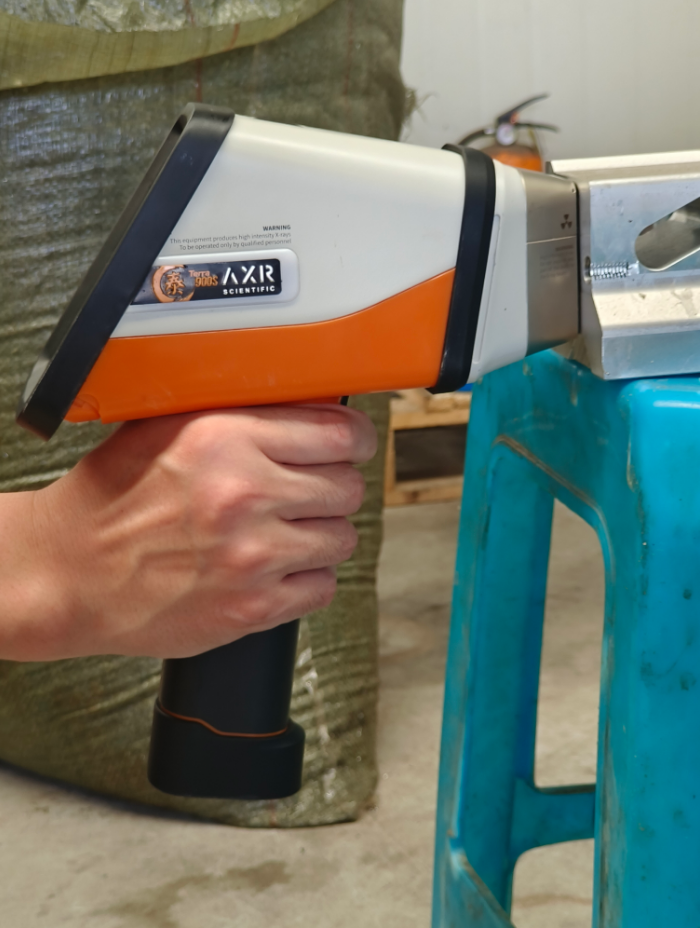
The AXR Terra900 series of handheld analyzers delivers laboratory-grade accuracy for fast, non-destructive metal analysis. With advanced electronics and algorithms, it provides results in seconds, requires minimal training or sample preparation, and handles solids, liquids, and powders effortlessly. Ideal for alloy identification, scrap sorting, quality control, and Positive Material Identification (PMI) across multiple industries.
The laboratory is not going away; it will always be the gold standard for complex, multi-method analysis. However, the monopoly of the lab on chemical data has been broken.
Handheld XRF analyzers have democratized heavy metal analysis. They put the power of scientific inquiry into the hands of the people who need it most: the consultant standing in the mud, the recycler buying scrap at the gate, and the quality manager on the factory floor.
By moving the analysis out of the lab and into the field, we aren't just saving time. We are enabling better, faster decisions. We are putting the power of chemistry where it belongs—right where the work is happening.
 Your location:
