

Soil is the foundation of life on Earth, supporting the growth of plants and sustaining entire ecosystems. However, beneath the surface, a silent and often overlooked threat lurks in the form of heavy metals. These toxic elements, although naturally occurring, can accumulate in soil due to human activities, posing a grave danger to both the environment and human health. In this article, we delve into the world of heavy metal in soil, exploring their sources, effects, and the measures taken to mitigate their impact.
Heavy metals are metallic elements with a high atomic mass and density, including lead, cadmium, arsenic, mercury, chromium, and nickel, among others. While these elements occur naturally in the Earth's crust, human activities, such as mining, industrial processes, and the use of heavy metal-based products like pesticides and fertilizers, have significantly increased their presence in soil. The problem lies in the fact that heavy metals do not break down over time, and their persistence in soil can lead to serious environmental and health consequences.
The accumulation of heavy metals in soil poses a range of environmental hazards. Here are some of the most significant consequences:
Soil Degradation: Heavy metals can reduce soil fertility, impairing its ability to support plant growth. This leads to decreased agricultural productivity and can even render land unsuitable for farming.
Water Contamination: Heavy metals can leach into groundwater, rivers, and lakes, contaminating water sources. This can have devastating effects on aquatic life and can lead to human exposure through drinking water.
Bioaccumulation: As plants absorb heavy metals from contaminated soil, these toxins can enter the food chain. When animals consume these plants, the heavy metals accumulate in their tissues, eventually reaching humans who consume contaminated animal products.
Biodiversity Loss: Heavy metal contamination can harm soil-dwelling organisms, such as earthworms and beneficial microorganisms. This can disrupt ecosystem dynamics and lead to a loss of biodiversity.
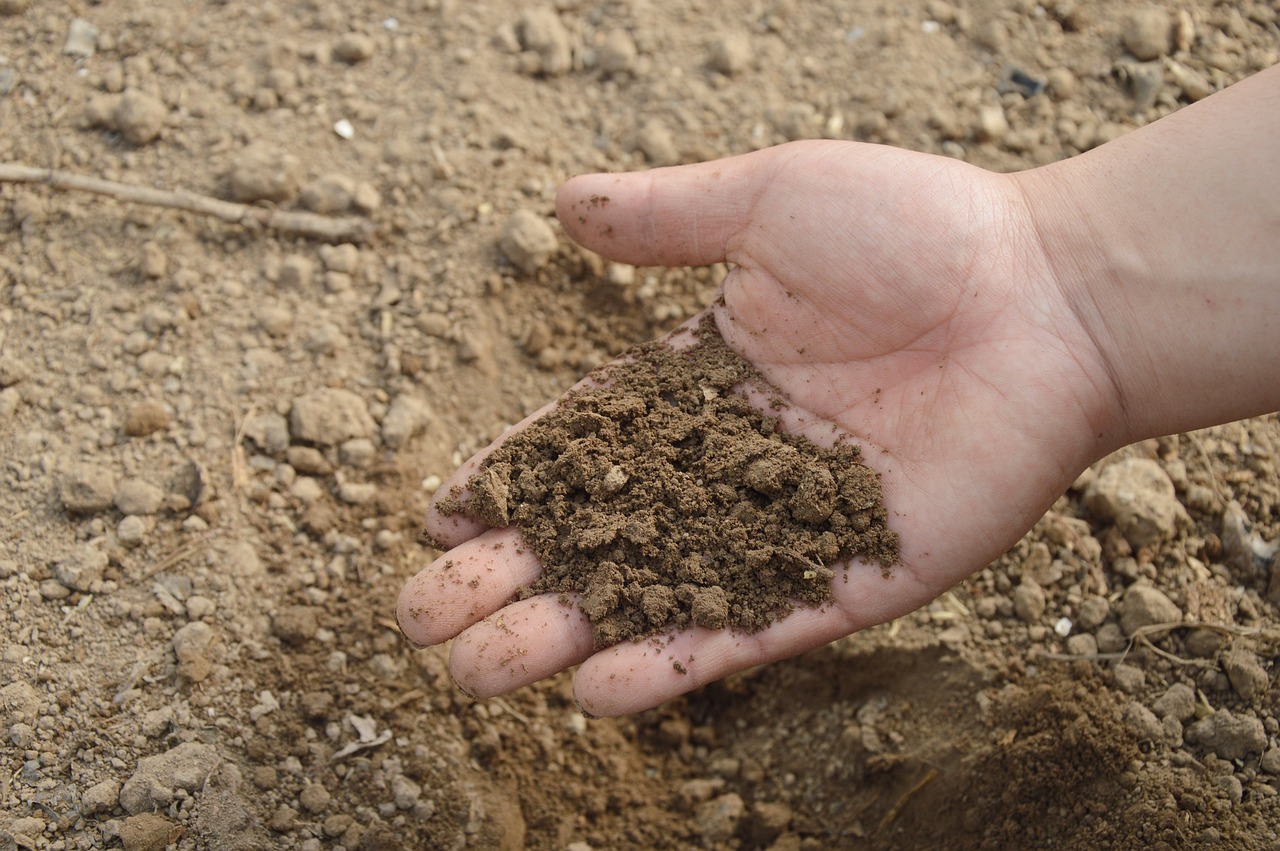
The dangers of heavy metals in soil are not confined to the environment; they also pose significant health risks to humans. Exposure to heavy metals can result in various health issues, including:
Lead Poisoning: High levels of lead exposure can lead to cognitive and developmental impairments in children and cause cardiovascular and kidney problems in adults.
Cadmium Toxicity: Cadmium exposure has been linked to lung and prostate cancer, as well as kidney and bone damage.
Arsenic Contamination: Long-term exposure to arsenic in soil can lead to skin, bladder, and lung cancers, as well as cardiovascular issues.
Mercury Exposure: Methylmercury, a form of mercury found in contaminated fish, can cause neurological problems, especially in developing fetuses and young children.
Addressing the dangers of heavy metals in soil requires a multifaceted approach. Here are some key strategies:
Soil Remediation: Techniques such as phytoremediation, which involves using plants to absorb heavy metals from soil, can be employed to clean up contaminated areas.
Regulatory Measures: Implementing and enforcing regulations on the use of heavy metal-based products and industrial emissions can help reduce the introduction of heavy metals into the environment.
Monitoring and Testing: Regular soil testing and monitoring programs can identify areas with high heavy metal concentrations, allowing for targeted remediation efforts.
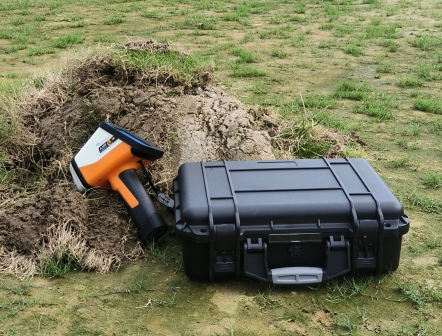
Therefore screening and remediation of soil contamination is a major challenge. In situ soils analysis, contaminated soil testing and sediments screen with XRF is an effective solution to address such challenges. The handheld XRF analysis method is an internationally recognized method for soil heavy metal screening.
AXR Terra600 Series Handheld Soil Analyzer is an important tool for soil and sediment screening. It can detect hazardous heavy metals within seconds. Using AXR Terra600 for on-site rapid soil screening significantly reduces the number of samples that need to send to laboratory for analysis, reducing analysis costs and analysis time. And soil treatment and remediation costs can be minimized by rapidly screening and delineating contaminated areas and identifying remediation areas on-site.
Public Awareness: Educating the public about the risks associated with heavy metals in soil can promote responsible land use and consumer choices.
Beneath the surface of our planet lies a silent and insidious threat – heavy metals in soil. These toxic elements, often the result of human activities, can have far-reaching environmental and health consequences. Recognizing the dangers they pose and taking measures to mitigate their impact is vital to safeguarding our ecosystems and the well-being of future generations. Through regulation, remediation, and public awareness, we can work towards a healthier, safer, and more sustainable future, free from the perils of heavy metals lurking beneath the surface.
 Your location:
