

Silver, a precious metal revered for its beauty and practicality since ancient times, has long been a symbol of wealth and refinement. Whether in the form of exquisite jewelry, timeless silverware, or valuable coins, the allure of silver is undeniable. However, beneath its shimmering exterior lies a complex alchemical process—the determination of silver purity. However, establishing the purity of silver and understanding its impact on value is a nuanced process. Silver purity tester plays a crucial role in assessing the quality and value of silver products. In this article, we delve into the intricacies of silver purity testing and explore how it influences the value of this precious metal.
The purity of silver is a crucial factor in determining its value. Pure silver, being too soft for practical use, is often alloyed with other metals such as copper, zinc, and nickel to enhance its strength and durability. Purity levels are expressed in fineness, with pure silver having a fineness of 99.9%. This measurement is paramount for both producers and consumers as it directly impacts the metal's market value and its suitability for various applications.
Silver purity is typically expressed in fineness or parts per thousand, representing the percentage of pure silver in the alloy. Testing purity ensures transaction transparency, safeguarding consumers from counterfeit or low-quality silver, and provides an accurate basis for determining the value of silver products. Ensuring the accuracy of silver purity testing is crucial for maintaining consumer confidence in the market. Third-party analysis and certification from reputable laboratories play a vital role in verifying the claimed purity of silver products, fostering trust within the industry.
In addition to purity, historical and collectible factors also significantly influence the value of silver products. Antique silverware, items with rare designs, or those associated with important historical periods or renowned silversmiths often command higher prices due to their unique historical or artistic value. Collectors and enthusiasts are willing to pay a premium for these distinctive and sought-after silver products, further highlighting the multi-dimensional nature of silver's value.
There are several methods available for evaluating the purity of silver, each with its own advantages and limitations. X-ray Fluorescence (XRF) analysis is a non-destructive technique that provides accurate results without altering silver items. Fire assay, an ancient method dating back centuries, involves melting silver and analyzing the resulting alloy. However, technological advancements have introduced faster and more precise methods, such as Inductively Coupled Plasma (ICP) testing and laser ablation.
The progress in technology has revolutionized the process of silver purity testing. Modern techniques not only offer higher accuracy and efficiency but also minimize the impact on tested items. The integration of blockchain technology in the precious metals industry further enhances transparency, providing an immutable record of the provenance and purity of silver items.
X-ray Fluorescence (XRF) analysis is a non-destructive testing method widely used to determine the composition of various metals and alloys, including silver. The basic principle involves using X-rays to induce fluorescence in a sample and analyzing the emitted fluorescence to determine its composition. When the sample is irradiated with X-rays, its atoms absorb energy and emit fluorescence after absorption. The atomic structure of different elements determines their ability to absorb and emit X-rays, resulting in a unique fluorescence spectrum.
By analyzing the emitted fluorescence spectrum, the relative content of various elements in the sample can be determined. XRF instruments are calibrated against known standards to ensure accurate identification and measurement of elements. XRF is extensively applied in the precious metals industry, including the manufacturing of silver jewelry, coin minting, and the field of precious metals investment.
Through X-ray Fluorescence analysis, the precise determination of elemental content in silver samples is achievable, providing a reliable means for manufacturers and consumers to verify the purity and quality of silver products.
The Terra 990 Handheld XRF Precious Metal Analyzer provides a complete solution for elemental analysis in the production, sale and recycling of precious metal products. The instrument is equipped with a high-performance X-ray excitation device and Si-PIN detector, which can achieve accurate quantitative analysis. Customers can also choose a silicon drift detector (SDD) to improve the resolution of the instrument and reduce the time required for analysis.In a market filled with counterfeit and adulterated silver items, ensuring the authenticity and purity of silver is paramount. Silver tester machines have revolutionized the way we evaluate silver, providing accurate, non-destructive, and rapid results. These devices play a crucial role in demystifying silver purity, benefiting investors, collectors, manufacturers, and consumers alike. As technology continues to advance, silver tester machines will remain indispensable tools in the world of silver, offering peace of mind and transparency to all stakeholders.
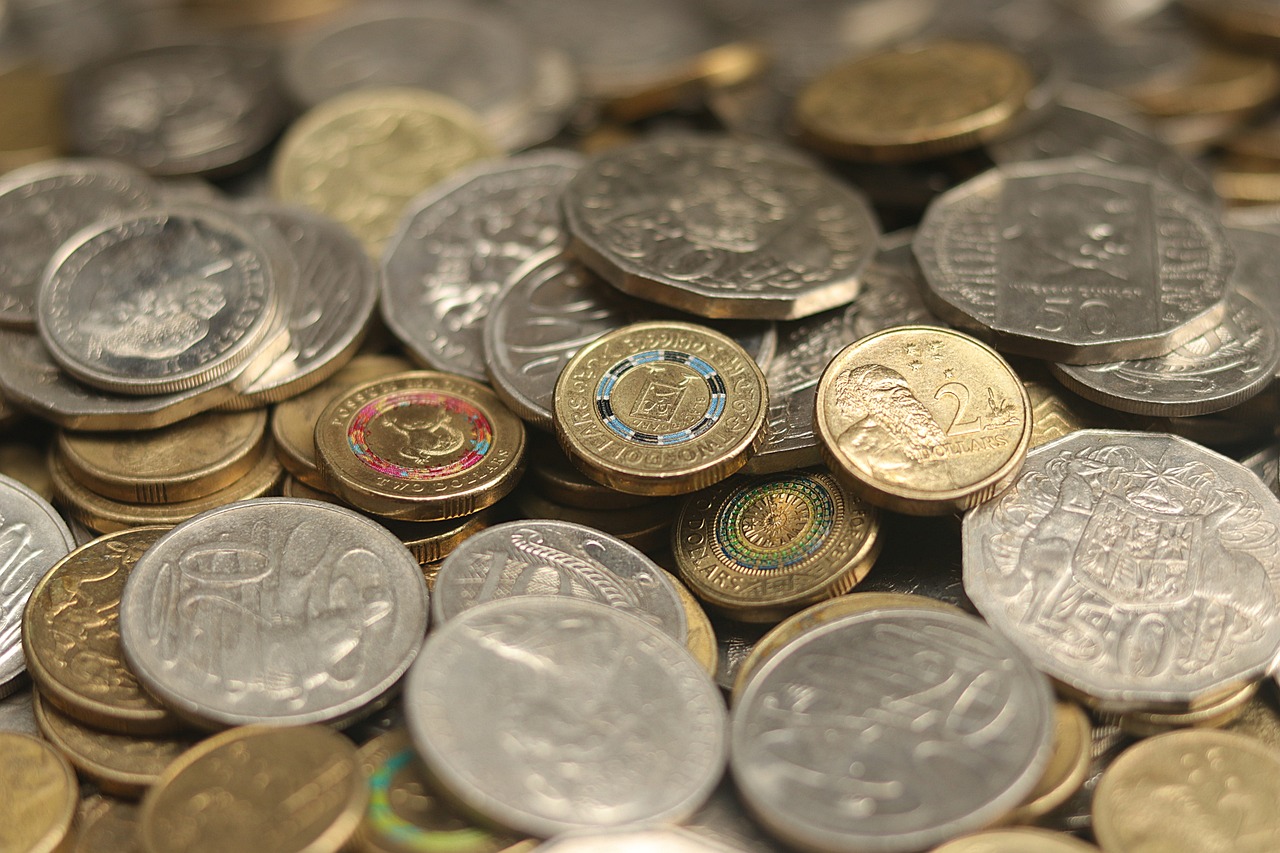
The purity of silver significantly influences its market value. Generally, higher purity levels often command higher prices as pure silver is considered more valuable and desirable. Additionally, the intended use of silver items also affects their value. For instance, collector's coins may be more highly valued due to their rarity and historical significance, surpassing considerations of silver content. Conversely, investors may prioritize high-purity silver bars due to their intrinsic value. In general, higher purity silver tends to have a higher price, reflecting its increased intrinsic value.
Pure silver, also known as fine silver, is softer and more malleable, making it suitable for exquisite jewelry and collectibles. However, in certain applications such as silverware or coins, silver alloys are used to enhance durability and hardness. The presence of other metals in the alloy, such as copper or nickel, can impact the overall value of silver products.
Hallmarks and certifications are crucial indicators of silver purity and quality. Hallmarks are imprints or marks on silver items indicating the metal's purity and origin. These marks are issued by authorized assay offices or government agencies, providing buyers with assurance about the authenticity and quality of the silver. Similarly, certifications from reputable grading organizations verify the purity and grade of silver products, enhancing their value and marketability.
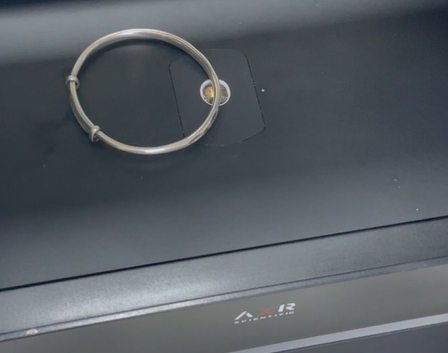
By understanding testing methods, factors influencing the value of silver, and the importance of hallmarks and certifications, individuals can make informed decisions when purchasing or evaluating silver products. The purity of silver, along with its historical and collectible value, collectively contributes to its overall market worth. Deciphering the process of silver purity testing allows us to appreciate the true value and allure of this precious metal.
Silver alchemy, in the form of purity testing, is a crucial aspect of the precious metals industry. Understanding the methods employed and their impact on value is paramount for both producers and consumers. As technology continues to advance, this process becomes more refined, deepening our appreciation for this timeless and precious metal. Whether you are an investor, collector, or enthusiast, unraveling the mysteries of silver alchemy adds a new layer of appreciation for this enduring and valuable metal.
 Your location:
