

In the intricate world of metal analysis, the pursuit of precision and accuracy is critical. Gold test stones are a fascinating tool used in this quest for purity. These humble but vital instruments play a key role in determining the composition of metals, especially gold. Metallic gold has fascinated human civilization for centuries, prized for its beauty, scarcity and value. In industries such as jewelry, electronics and finance, accurately determining the purity of gold is critical. Let’s take a closer look at the science behind gold test stones and understand their importance in the field of metal analysis.
Gold test stones are usually made from basalt, a highly refractory material. Basalt is an igneous rock composed primarily of volcanic minerals such as pyroxene and olivine. Its high temperature resistant properties make it an ideal material to withstand the high temperatures involved in metal testing. Gold test stones are usually dark in color, contrasting sharply with the metal being tested. Gold test stones are small, flat, finely polished stones, usually made of agate or obsidian. These stones were used as a basis for testing the purity of precious metals such as gold and silver. The process involves rubbing metal against the surface of the stone, leaving visible marks. The color and characteristics of this trace can reveal important information about the composition of the metal.
Before we delve into the science of gold test stones, it’s important to understand the purity of gold. Gold is often alloyed with other metals to enhance its hardness and durability. Gold purity is measured in carats, with 24-karat gold being the purest form. Lower karat gold contains a higher proportion of other metals. Accurately determining the karat purity of gold is critical for a variety of applications, including jewelry manufacturing and investment appraisal. When a metal is rubbed against a gold test stone, it leaves a mark or mark that changes color and texture depending on its purity. For example, pure gold will leave a golden trace, while impurities or alloys will change the appearance of the trace. The science lies in the observation and interpretation of these traces, providing valuable insights into the quality and authenticity of the metal being tested.
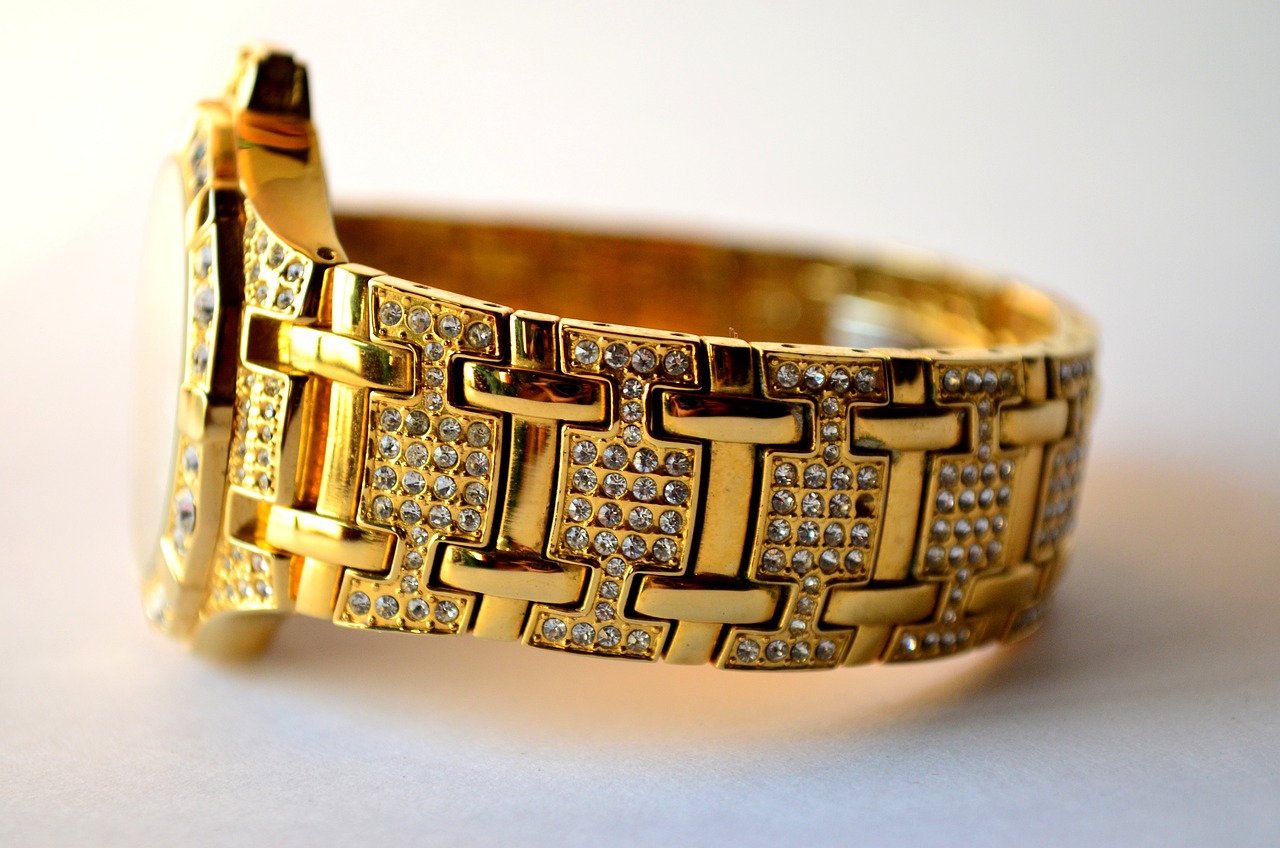
Metals rarely occur in nature in their purest form. For example, gold is often alloyed with other metals to enhance its properties, such as durability or color. By using a gold test stone, analysts can evaluate the ratio of pure gold to other elements in a sample. The unique marks left on the stone help determine the karat value, which is a measure of gold's purity, with 24 carats representing pure gold.
The choice of base stone is crucial in metal analysis. Onyx and obsidian are popular choices due to their hardness and durability. These stones provide a consistent surface that minimizes interference with the metal being tested. Careful selection of stones ensures accurate and reproducible results during analysis. Gold test stones are primarily used in conjunction with the acid test to determine the purity of gold. The acid test involves applying nitric acid to a gold sample and observing the reaction. Since gold is highly resistant to corrosion, it does not react with acids. However, impurities or low karat gold will show a noticeable reaction. By carefully analyzing the reaction on a gold test stone, an experienced professional can accurately estimate the purity of gold. The gold test stone also uses the scratch test method. This test involves scratching a gold sample using a test pin made of a specific material. The color and behavior of scratches on a gold test stone help determine the purity of the gold. Pure gold will leave a clear, distinct mark, while lower karat gold or impurities may exhibit different characteristics. To ensure accurate results, gold test stones need to be properly calibrated. Calibration involves creating a series of scratches on a test stone using a gold sample of known purity. These reference scratches serve as a baseline for comparison when testing unknown gold samples. Regular calibration helps maintain the accuracy and reliability of gold test stones, ensuring consistent and precise metal analysis results.
Subjectivity: The results of the gold test stone rely heavily on the observation and experience of the user. This can lead to subjectivity and uncertainty in the results.
Limitations: Gold test stones typically only provide qualitative information about color and texture, rather than quantitative analysis. For more precise purity measurements, other more sophisticated tools may be needed.
Inability to Distinguish Trace Elements: The gold test stone has difficulty distinguishing trace elements or specific components in complex alloys because it is primarily based on appearance characteristics.
Based on the disadvantages of gold test stones, we recommend another analytical tool: XRF analyzer. Gold test stones and XRF analyzers are two different tools used for metal analysis. XRF (X-ray fluorescence spectroscopy) analyzers are widely used in metal analysis, geological exploration, environmental monitoring and other fields. Compared with gold test stones, the advantages of XRF analyzers are as follows:
Non-destructive analysis: XRF analysis is a non-destructive analysis technology that does not require sample pre-treatment and can perform elemental analysis without damaging or changing the sample.
Multi-element analysis: XRF analyzers are capable of detecting multiple elements simultaneously, ranging from light to heavy elements, making them particularly useful when analyzing complex samples.
High sensitivity: XRF analysis has high sensitivity and can detect trace elements in samples, making it very effective in detecting trace elements or components in alloys.
Real-time analysis: XRF analysis instruments are usually able to provide analysis results in real-time or near real-time, which is suitable for application scenarios that require rapid acquisition of data.
Wide range of applications: XRF analysis is suitable for various samples, including solids, liquids and powders, as well as samples of different forms, such as ores, metals, soils, chemical products, etc.
Simplified operation: Compared with some traditional analysis methods, the operation of XRF analysis instruments is relatively simple and does not require cumbersome sample preparation steps, reducing the complexity of experiments.
Environmentally friendly: Compared with some other analysis methods, XRF analysis does not require the use of harmful chemical reagents, thus reducing environmental pollution.
Reduce experimental time: XRF analysis can usually provide fast analysis results in a short time, thereby improving experimental efficiency.
Generally speaking, XRF analyzers are widely used in sample analysis in different fields due to their fast, multi-element, and non-destructive characteristics, providing a powerful tool for scientific research and industrial applications.
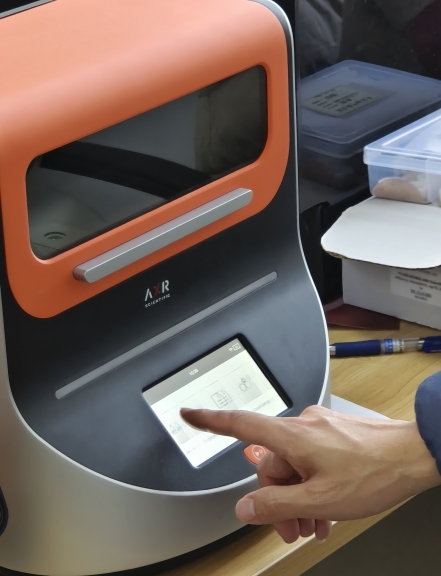
AXR AURORA Benchtop Gold analyzer offers a rapid and remarkably precise method for assessing karat or gold content, serving quality control, pricing, and practical utilization needs. It empowers users to conduct an immediate, cost-efficient, and entirely nondestructive examination to ascertain gold content and authenticate alloy composition.Beyond gold, the device delivers exceptional performance for various other valuable metals of significance. The analyzers are equipped with a comprehensive precious metals suite encompassing elements such as Cr, Mn, Fe, Co, Ni, Cu, Zn, Ir, Pt, Au, Rh, Ru, Pb, Bi, Zr, Pd, Ag, Sn, Sb, Cd, In, Ga, Ge, and W. ( Plus Os for SDD detector).In a matter of seconds, you can accurately measure the precise content of precious metals in jewelry, coins, and other valuable items using the AXR AURORA benchtop gold analyzer.
Gold test stones are an indispensable tool in the field of metal analysis, especially in determining the purity of gold. Through acid testing and scratch testing, these simple yet powerful instruments provide valuable insight into gold composition. At the heart of purity, precision meets science, with the Golden Test Stone serving as a silent but indispensable witness to the art of metal analysis. These although inconspicuous stones, made of ancient materials, play a vital role in deciphering the composition of precious metals. With the advancement of technology, we can also turn to more advanced and accurate measurement methods, and as the times progress, we can create more exquisite craftsmanship.
 Your location:
