

In the ever-evolving landscape of analytical technology, handheld X-ray fluorescence (XRF) guns have emerged as powerful tools for elemental analysis. These compact devices, resembling something out of a science fiction novel, have completely transformed the way scientists, researchers, and professionals analyze the elemental composition of materials. Elemental analysis plays a crucial role in various fields, from environmental monitoring to material characterization. Traditionally, this analytical technique required bulky and expensive equipment, limiting its accessibility and practicality. However, with the latest technological advancements, portable X-ray fluorescence (XRF) guns have revolutionized elemental analysis by providing portability, convenience, and enhanced precision. In this article, we will delve into the advancements of handheld XRF gun and their significant impact on precision in elemental analysis.
X-ray fluorescence is a non-destructive analytical technique used to determine the elemental composition of a material. Traditional XRF instruments are often large, stationary machines found in laboratories, but the advent of handheld XRF guns has brought this analytical capability directly into the field. These portable devices utilize X-ray radiation to excite the atoms in a sample, causing them to emit characteristic X-rays. By detecting and analyzing these X-rays, the handheld XRF gun can provide valuable information about the elemental makeup of the material being tested. The ability to conduct on-site analysis in real-time is a game-changer in various industries.
One of the most significant advantages of handheld XRF guns is their portability and user-friendliness. Unlike traditional laboratory equipment, these devices are compact, lightweight, and designed to fit in the palm of your hand. This portability makes on-site analysis possible, eliminating the need for sample transportation and reducing feedback time. Researchers, geologists, archaeologists, and quality control professionals can now perform real-time elemental analysis in the field, making data collection more efficient and accurate.
Handheld XRF guns enable non-destructive analysis, meaning that analysis can be conducted without altering the physical or chemical properties of the sample. This is particularly beneficial when analyzing precious artifacts, historical items, or samples that are difficult to obtain or reproduce. Non-destructive analysis preserves the integrity of the sample, allowing for further investigation or measurements in the future.
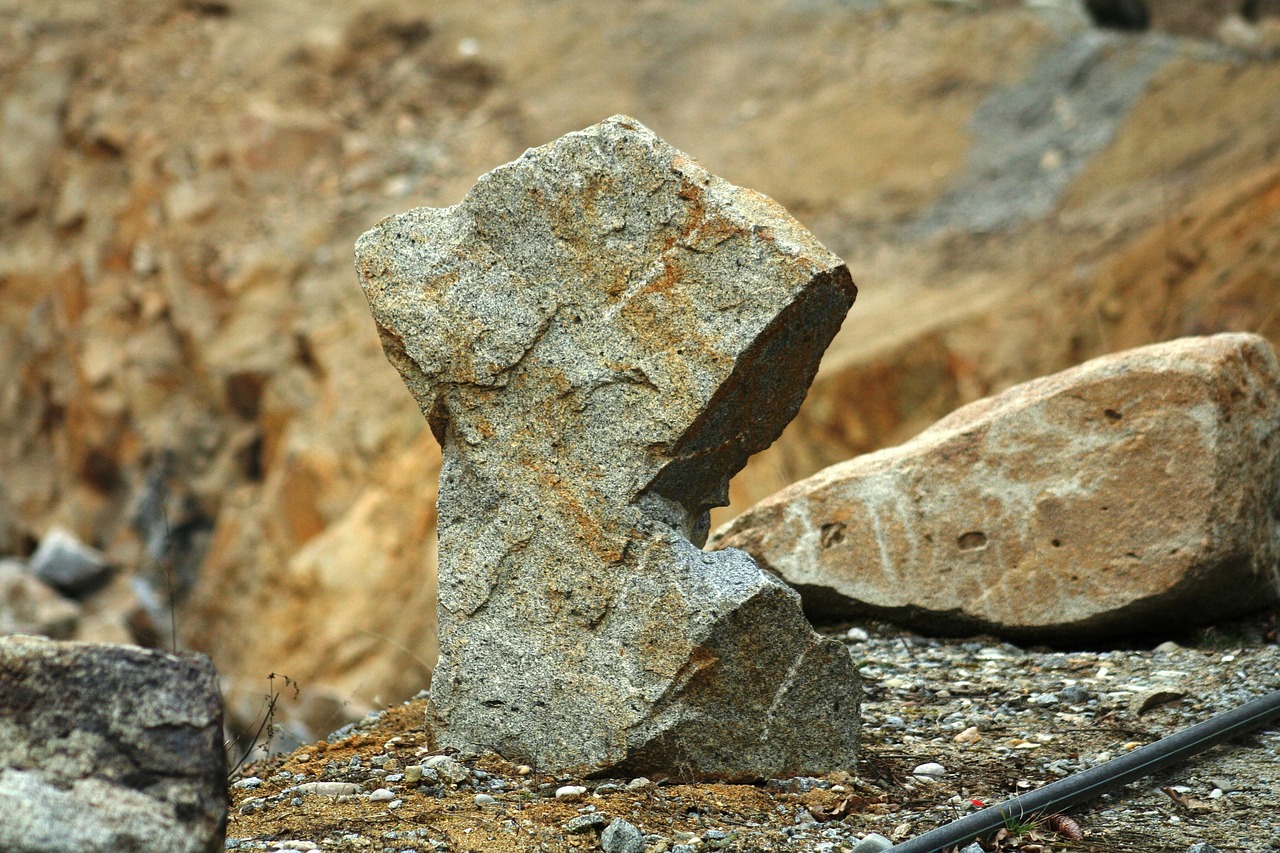
Handheld XRF guns find applications in a myriad of industries, from mining and exploration to environmental monitoring, manufacturing, and archaeology. In the mining sector, these devices are invaluable for quickly assessing ore grades, optimizing exploration efforts, and ensuring efficient resource utilization. Environmental scientists use handheld XRF guns to monitor soil and water quality, detecting pollutants and ensuring compliance with environmental regulations. In manufacturing, these devices are utilized to verify the composition of raw materials, streamline quality control processes, and identify potential contaminants in finished products.
Handheld XRF guns have versatile applications in environmental science, mining, metallurgy, forensics, and art conservation, among other fields. Environmental scientists can use these devices to analyze pollutants in soil and water samples. The mining and metallurgy industries optimize extraction processes through real-time analysis of ore samples. Forensic investigators can quickly analyze trace evidence at crime scenes. Art conservationists can determine the pigment composition in paintings or authenticate artifacts. The multifunctionality of handheld XRF guns makes them indispensable tools in various disciplines.
One of the key advancements in handheld XRF technology is the improvement in accuracy and precision. Early iterations of these devices faced challenges in providing precise results, particularly for elements present in lower concentrations. However, continuous research and development efforts have led to enhanced algorithms, better detector technologies, and improved calibration methods.
Modern handheld XRF guns can now provide highly accurate and reliable results across a wide range of elements, including those at trace levels. This improved precision has expanded the applicability of these devices, making them indispensable tools for industries where accuracy is paramount.
Another notable advancement is the development of user-friendly interfaces and sophisticated data management systems. Early versions of handheld XRF guns were often criticized for their complex user interfaces, limiting their accessibility to trained professionals. Today, manufacturers have responded to this feedback by designing intuitive interfaces that enable users with varying levels of expertise to operate the devices effectively.
Furthermore, modern handheld XRF guns come equipped with advanced data management capabilities. Users can store and organize large datasets, generate comprehensive reports, and even integrate the device with other analytical tools or databases. This streamlined data handling enhances efficiency and facilitates better decision-making processes.
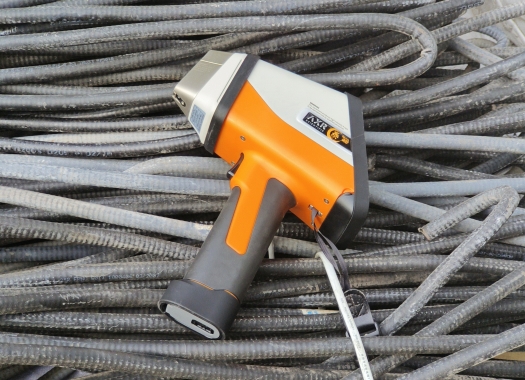
Based on the factors that affect the price of the analyzer discussed earlier, the Handheld Mining Analyzer Terra600M Series is one of the most cost-effective instruments. In terms of detectors, you can choose either High performance Si Pin detector or Optimized SDD detector. The body includes a battery, which is approximately 3.3 kilograms per unit. The body is compact and lightweight, making it easy to operate. The exception is ceramic packaged microfocus X-ray tube, Ag target tube, 50kV; The window is Kapton with anti function window design option. The software update frequency is moderate, and additional features can be provided according to customer needs, such as adding languages, remote operations, and so on. Terra600M is equipped with the capability of precise analysis of light elements, which is important for understanding sample mineralogy and critical for analyzing certain types of minerals, such as bauxite and limestone. During exploration, the Terra600M is an excellent tool for fast screening of vast areas due to its light weight and mobility.In mining, the Terra600M provides easy ore grade control and allows for quick decision-making. The analysis of ore concentrates during the enrichment process is also a simple task for the Terra600M. Both primary elements and trace elements can be accurately measured using the fundamental parameters method.Investing in the Terra600M will improve your mining operations by providing fast, accurate, and reliable on-site analysis of ore samples.
With the continuous advancement of technology, handheld XRF guns have evolved from niche instruments to indispensable tools across various industries. The precision, accuracy, and user-friendly interfaces of these devices make them essential assets for professionals seeking rapid and reliable elemental analysis. As we move forward, further innovations in handheld XRF guns may enhance their capabilities, opening new possibilities for on-site elemental analysis in different fields. The future holds the promise of achieving even greater precision in the palm of our hands.
 Your location:
