

In an environment of continuous technological advancement, XRF instruments have become indispensable tools across various industries, ranging from mining and metallurgy to environmental testing. X-ray Fluorescence (XRF) technology enables fast and non-destructive elemental analysis, making it the preferred solution for quality control and material identification. In today's market, X-ray Fluorescence (XRF) instruments have become essential in numerous industries, covering areas such as mining, manufacturing, environmental analysis, and art preservation. These handheld devices facilitate rapid non-destructive elemental analysis, assisting users in making informed decisions based on material composition. However, with a plethora of XRF gun price saturating the market, understanding the numbers and features becomes crucial when evaluating the true value of these devices. In this article, we will delve into the key factors for assessing the value of XRF instruments in today's market.
One of the primary factors influencing the value of XRF instruments is their accuracy and precision. High-quality instruments should provide reliable and consistent results, ensuring that elemental analysis aligns with industry standards. Look for devices with advanced calibration features and excellent repeatability, as these aspects directly impact the overall reliability of the results. The accuracy of an XRF instrument depends on its ability to provide precise elemental composition data. Choose instruments with a wide range of elements and high accuracy. Additionally, consider the instrument's detection limits and sensitivity. A reliable XRF instrument should confidently detect trace elements. By reviewing technical specifications and performance data, you can determine if the XRF instrument meets your specific analytical needs.
Different applications require varying elemental ranges and detection limits. The true value of an XRF instrument lies in its ability to analyze a broad spectrum of elements with low detection limits. Consider the specific requirements of your industry and choose a device that performs optimally in terms of elemental coverage and sensitivity. XRF instruments need regular calibration to ensure accurate and reliable results. When evaluating the value of XRF instruments, consider the convenience of calibration and the availability of certified reference materials (CRMs). Well-calibrated and standardized XRF instruments provide consistent and reliable results, reducing errors and inaccuracies in analysis.
In a fast-paced industrial environment, ease of use and portability are key considerations. A valuable XRF instrument should feature an intuitive interface, allowing users to operate the device with minimal training. Portability is also crucial, especially for on-site applications. Look for compact and lightweight designs that don't compromise on performance. Evaluate the instrument's manufacturing quality, durability, and adaptability to environmental conditions such as dust, water, and extreme temperatures. A rugged, durable, and portable XRF instrument can withstand the rigors of fieldwork, ensuring long-term usability and reducing the risk of costly repairs or replacements.
Investing in an XRF instrument is a significant commitment, and durability is a critical aspect of its overall value. Choose devices with robust construction, capable of withstanding harsh environments and repeated use. Quality build materials and reliable construction contribute to the instrument's longevity, ensuring a robust return on investment.
Modern XRF instruments often come with advanced software capabilities that enhance data analysis and management. Evaluate the included software for features such as data storage, retrieval, and export options. Integration with other systems and compatibility with industry-standard software can significantly add to the overall value of the XRF instrument. Choose an instrument with a user-friendly interface to simplify operation and data interpretation. Advanced software features, such as data storage, report generation, and integration with external devices, can significantly improve work efficiency and productivity. Consider the compatibility of XRF instrument software with existing laboratory systems or data management tools to ensure seamless integration.
Industries such as mining and environmental monitoring operate within specific regulatory frameworks. Ensure that the XRF instrument you choose complies with relevant industry standards and regulations. This not only guarantees the accuracy of your analyses but also positions your operations in line with legal requirements.
Reliable customer support and after-sales service are crucial for evaluating the value of XRF instruments. Choose manufacturers or suppliers that provide comprehensive technical support, training programs, and spare parts availability. Additionally, consider the warranty period and the company's reputation for customer satisfaction and response time. A well-regarded and responsive support system ensures that the XRF instrument remains efficient throughout its lifespan.
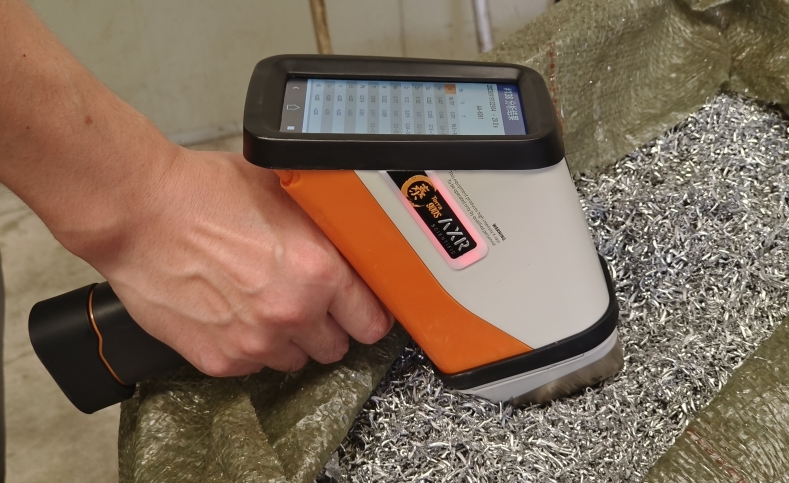
Based on the above suggestions, I strongly recommend the AXR handheld elemental analyzer. The main products promoted by AXR brand include handheld analyzers, online XRF analyzers, desktop X-ray fluorescence spectrometers, etc. The main models of handheld analyzers include handheld alloy analyzers, soil analyzers, ternary lithium battery analyzers, coating analyzers, and precious metal analyzers. Different models can be selected for different application scenarios. Taking handheld alloy analyzers as an example, since XRF analysis technology was applied in the industrial field several decades ago, it has become a validated and widely recognized metal analysis technology. The handheld XRF analyzer has become an effective tool for quality control in many metal processing and manufacturing fields. It can perform material testing work anytime and anywhere, and is easy to use and maintain. The Terra 900 series handheld alloy analyzer is an ideal tool for metal analysis in multiple fields such as quality control, brand identification, material classification, and safety precautions. Based on advanced electronic technology and unique software algorithms. The Terra 900 series can complete metal composition analysis in seconds and display alloy grades and element content on the touch screen. Users only need simple training to proficiently operate the instrument, and sample testing is not limited by location, sample shape, and size, nor does it require sample preparation. The detector adopts a high-performance Si Pin detector/SDD detector (graphene window), and the multi-channel processor uses a 4096 pixel multi-channel analyzer/80 MHz ADC digital signal processor; Through the innovative design of the AXRSMART mobile application, data can be viewed, shared, and printed in real-time, supporting functions such as sample shooting, GPS positioning, barcode scanning, and data archiving. Optional data cloud service function, which uploads detection results to a secure and encrypted cloud server for efficient statistics, querying, and analysis of large-scale analysis data.
Deciphering the numbers and assessing the true value of XRF instruments in the current market requires a comprehensive understanding of their key features and functionalities. From accuracy and precision to portability and regulatory compliance, each aspect significantly influences the overall value of the instrument. By carefully considering these factors, businesses can make informed decisions and invest in XRF technology that aligns with their specific needs, ensuring a reliable and efficient analytical process.
Evaluating the true value of XRF instruments requires a holistic consideration of their performance, accuracy, calibration, software capabilities, durability, and support services, among other aspects. Through a thorough analysis of these factors, businesses can make prudent choices, investing in XRF instruments that match their particular analytical requirements and provide long-term value. Remember to scrutinize technical specifications, compare different options, and seek advice from experts or experienced users. Choosing the right XRF instrument enables you to uncover hidden information within materials and make informed decisions across various industries and applications.
 Your location:
