

In the ever-evolving world of materials science and engineering, the ability to accurately analyze and characterize metal alloys is of paramount importance. Metal alloys, which are combinations of two or more metallic elements along with possible non-metallic additives, are integral to various industries such as automotive, aerospace, construction, electronics, and manufacturing. Understanding the composition, structure, and properties of these alloys is essential for ensuring quality, performance, and safety in a wide range of applications. Enter handheld metal alloy analyzers, a groundbreaking technology that has revolutionized the way we approach metal alloy analysis.
Before delving into the capabilities of handheld metal alloy analyzer, let's first underscore the importance of metal alloy analysis. These analyses serve several critical purposes:
1. Composition Analysis: Determining the precise percentages of each element within an alloy is essential for quality control and compliance with industry standards. Even minor variations in composition can significantly impact an alloy's properties.
2. Structural Insights: Understanding the crystalline structure, phase transitions, grain size, and orientation of an alloy provides crucial insights into its behavior under different conditions and loads. This knowledge aids in optimizing alloy performance.
3. Performance Evaluation: Assessing the mechanical properties (e.g., strength, hardness, toughness), thermal properties (e.g., thermal conductivity, coefficient of thermal expansion), and electrical properties (e.g., electrical conductivity, resistivity) of metal alloys is fundamental for selecting the right material for a specific application.
4. Defect Detection: Identifying defects such as cracks, voids, and inclusions is vital for ensuring the reliability and safety of components made from metal alloys.
Traditionally, metal alloy analysis required bulky and expensive laboratory equipment, making it less accessible and often time-consuming. However, recent advancements have given rise to handheld metal alloy analyzers, which have democratized the process and made it more efficient and cost-effective.
These portable devices come equipped with a range of techniques and capabilities, allowing users to analyze metal alloys on-site, in real-time. Here are some key advantages of handheld metal alloy analyzers:
1. Portability: As the name suggests, these analyzers are small and lightweight, making them highly portable. Whether you are on a factory floor, a construction site, or in the field, you can carry these devices wherever they are needed.
2. Speed: Handheld analyzers provide rapid results, often within seconds. This quick turnaround time is invaluable for making informed decisions without causing delays in production or projects.
3. Precision: Modern handheld analyzers offer high levels of accuracy in composition analysis, structural characterization, and defect detection, rivaling traditional laboratory equipment.
4. Versatility: These devices are versatile and can handle a wide range of metal alloys, including ferrous and non-ferrous metals, as well as complex multi-element alloys.
5. Non-Destructive Testing: Many handheld analyzers use non-destructive testing methods, which means they can analyze materials without causing any damage. This is especially important when dealing with expensive or critical components.

The applications of handheld metal alloy analyzers are diverse and far-reaching:
Quality Control: Manufacturers can use these devices to ensure that incoming raw materials meet specifications and that the finished products are of the desired quality.
Scrap Sorting: In recycling facilities, handheld analyzers help in sorting and separating different types of metal scrap, optimizing recycling processes.
Field Inspections: Engineers and inspectors can use these analyzers for in-situ inspections of pipelines, structures, and industrial equipment.
Mining and Exploration: Geologists and mining engineers employ handheld analyzers to quickly assess ore samples in remote locations.
Safety and Compliance: Handheld analyzers are indispensable tools for verifying the composition and safety of materials used in critical applications, such as aerospace and nuclear power.
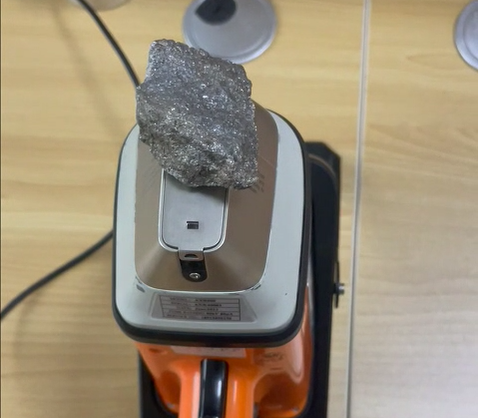
Handheld metal alloy analyzers have transformed the landscape of metal alloy analysis. Their portability, speed, precision, and versatility make them indispensable tools across various industries. XRF uses the primary X-rays emitted by the X-ray tube to irradiate the sample, so that the sample is excited to emit characteristic X-ray fluorescence, and then through the X-ray fluorescence energy analysis and intensity measurement, the type and content of the elements in the sample can be quantitatively calculated.
XRF can directly test solid samples, and can perform non-destructive testing on samples that meet the test requirements. At the same time, the test speed is fast and the sensitivity is high. Since the handheld XRF analyzer is more portable, it is more suitable for rapid spot check and quality control of samples.
The performance of the handheld XRF analyzer Terra900 series can fully meet the requirements for rapid onsite check and quality control of denture metal raw materials.
With these devices at their disposal, engineers, scientists, and professionals can make informed decisions, ensure quality, and enhance the performance and safety of products and processes. As technology continues to advance, we can expect even more sophisticated and user-friendly handheld analyzers to further streamline metal alloy analysis, making it easier and more accessible than ever before.
 Your location:
