

In the world of scrap metal, there exists a silent hero that is both inconspicuous and holds immense value—the catalytic converter. These seemingly ordinary devices serve as a treasury of precious metals, containing rare materials such as platinum, palladium, and rhodium, making them the stars of recycling. The quest to maximize value from discarded catalytic converters has evolved into a sophisticated endeavor within the scrap metal industry. Let us embark on a journey to explore this realm filled with challenges and opportunities, unveiling the mysteries surrounding old catalytic converters, and discovering the boundless potential they hold.
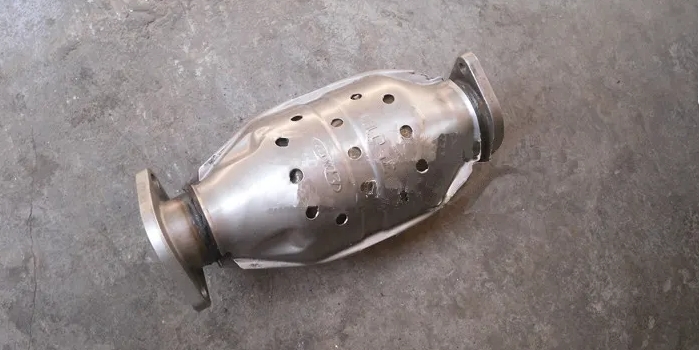
A catalytic converter is a device installed in the exhaust system of internal combustion engines, primarily designed to reduce harmful pollutants in vehicle exhaust emissions. Its main function involves catalytic reactions that transform certain noxious gases into less harmful substances, thereby mitigating the environmental impact of automobile emissions. These harmful gases primarily include carbon monoxide (CO), nitrogen oxides (NOx), and hydrocarbons.Internally, the scrap catalytic converter comprises one or multiple layers of a honeycomb-like structure made of ceramic or metallic substrates, coated with precious metal catalysts such as platinum, palladium, and rhodium. These precious metals serve as catalysts in the conversion process, facilitating the transformation of harmful gases into relatively benign water vapor, nitrogen, and carbon dioxide. Due to the presence of valuable precious metals like platinum, palladium, and rhodium, catalytic converters have gained immense value in the realm of scrap metal recycling. Consequently, discarded catalytic converters have become a significant resource in the scrap metal recycling industry, capturing the attention of numerous recyclers.
Handheld alloy analyzers play a crucial role in the catalytic converter recycling process. These portable devices utilize advanced technologies such as X-ray fluorescence spectroscopy (XRF) or laser-induced breakdown spectroscopy (LIBS) to rapidly and accurately analyze the composition of materials, especially the precious metals platinum, palladium, and rhodium found in catalytic converters.Handheld alloy analyzers boast efficient analysis speeds, providing component information within seconds. These instruments exhibit high precision and accuracy, capable of detecting trace amounts of precious metals. Accurate analysis of platinum, palladium, and rhodium content ensures that recyclers can precisely assess the value of catalytic converters.The non-destructive nature of handheld alloy analyzers means that there is no need to damage the surface or conduct sampling procedures, preserving the integrity of catalytic converters during the analysis process. The portability of these instruments allows for on-site analysis, facilitating processes in locations such as scrap metal recycling yards, automotive repair shops, or other collection points. This on-site application significantly streamlines the precious metal analysis process.Handheld alloy analyzers are typically equipped with data recording and management systems, capable of storing analysis results and effortlessly transferring data to computers or other devices. This aids in establishing detailed records, supporting business management, and enabling traceability in precious metal recycling.In summary, handheld alloy analyzers provide an efficient, accurate, and portable solution in catalytic converter recycling, ensuring the quality and efficiency of the recycling process.
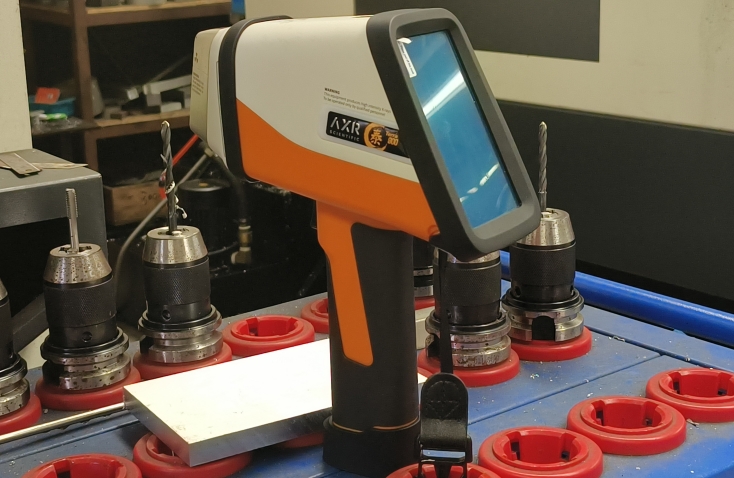
AXR Scientific Terra900 series handheld XRF analyzers can be equipped with car catalyst calibration and provide fast, on-site analysis of spent car catalysts, with minimum sample preparation required. It can easily and reliably be used in the recycling and refining process of automotive catalytic converters to determine the concentration of platinum, palladium and rhodium. Besides, it can fast analyze other metal elements for the metal scrap from recycled automobiles to do scrap sorting job easily.
The AXR Terra900 series is an excellent choice for metal analysis in many documents and provides fast and accurate results. With advanced electronic technology and the latest mathematical algorithms, the Terra900 series provides high-quality measurements in seconds, making it an ideal solution for non-destructive testing and analysis of materials, finished products, and unfinished products. The practice is very simple. You can view the alloy level and chemical composition on the touch screen within a few seconds to obtain laboratory quality chemical composition, with little or no need to prepare samples for various shapes and sizes.
Points to Consider When Purchasing a Handheld Alloy Analyzer:When selecting a handheld alloy analyzer, especially for analyzing precious metals like platinum, palladium, and rhodium in catalytic converters, there are key considerations to keep in mind. Here are some recommendations:
Element Detection Range:Ensure that the handheld alloy analyzer covers the detection range of precious metals such as platinum, palladium, and rhodium. The detection range should align with the various concentrations of precious metals that may exist in catalytic converters.
Accuracy and Precision:Focus on the accuracy and precision of the instrument. Since precious metal concentrations in catalytic converters are often at trace levels, ensure that the analyzer has sufficient precision to accurately measure these minute amounts.
Resolution:Resolution refers to the instrument's ability to distinguish between two adjacent elements. For catalytic converters containing multiple precious metals, an instrument with high resolution can better differentiate between different elements, enhancing analysis accuracy.
Portability:Confirm that the handheld alloy analyzer has good portability, facilitating on-site analysis in various locations. A lightweight and easy-to-carry instrument is beneficial for conducting field analysis in settings such as recycling yards or automotive repair shops.
User-Friendly Operation:Choose an instrument that is easy to operate and user-friendly, minimizing the need for specialized skills. This is crucial for on-site usage, especially for non-professional operators in field environments.
Data Processing and Storage Features:The instrument should have robust data processing and storage capabilities, allowing for the recording of analysis results and easy transfer of data to other devices or computers for further analysis and management.
Maintenance and After-Sales Service:Understand the maintenance requirements of the instrument and the after-sales service provided by the supplier. This ensures the long-term reliability and performance of the instrument.
Compliance:Ensure that the selected instrument complies with relevant regulations and standards, especially regarding environmental, safety, and radiation compliance.
By considering these points, you can choose a handheld alloy analyzer suitable for the analysis of precious metals in catalytic converters, enhancing the efficiency and accuracy of precious metal recovery.
In the world of catalytic converters, each discarded device is a potential treasure, harboring precious metals like rare gems. How to extract the maximum value from old catalytic converters is no longer a simple question but a convergence of challenges and opportunities. In this pursuit of excellence within the realm of scrap metal, every analysis, every collaboration, is a step towards success. Because in this land of opportunities within discarded metals, every abandoned catalytic converter could be the source of your future profits. Seize this opportunity, uncover the latent value, and let us collectively stride towards the brilliant moments of recycling old catalytic converters. It is only here that you can truly witness the miracle of turning waste into treasure, making resource recycling the golden age of wealth creation.
 Your location:
