

In the dynamic landscape of manufacturing, quality control and material analysis stand as pivotal pillars ensuring product integrity and performance. As industries evolve, the demand for precision and efficiency in material identification and verification has surged. In this quest for excellence, portable alloy analyzers have emerged as indispensable tools, revolutionizing how professionals analyze and authenticate materials in diverse environments.
As manufacturing grows and global supply chains become increasingly complex, accurate analysis and verification of materials becomes increasingly important. In this context, the rise of portable alloy analyzers has become an inevitable trend. By combining advanced technology with a compact design, these portable devices provide professionals with a way to quickly and accurately analyze alloy composition in the field.
In the past, materials analysis often required sending samples to a lab and then testing them using large, expensive equipment. This method is not only time-consuming and labor-intensive, but may also delay the progress of the project. The emergence of portable alloy analyzers has completely changed this pattern. Engineers, technicians and even field operators can now carry these small devices with them to perform fast and accurate analysis of materials directly in the field.
Portable alloy analyzers are often based on advanced technologies such as X-ray fluorescence (XRF) or laser-induced breakdown spectroscopy (LIBS). They are able to determine the composition of an alloy in seconds and provide detailed analysis results, including elemental percentages, amounts and possible impurities. These devices often have intuitive user interfaces that make them easy to use even for operators without a professional background.
The rise of portable alloy analyzers has had a profound impact on many industries. In manufacturing, engineers can instantly verify the quality of materials on the production line, reducing scrap and rework rates caused by substandard materials. In the field of metal recycling and reuse, these devices can help identify and classify scrap metal, improving resource utilization efficiency. In oil and gas exploration, portable alloy analyzers can be used to analyze geological samples, speeding up the exploration process.
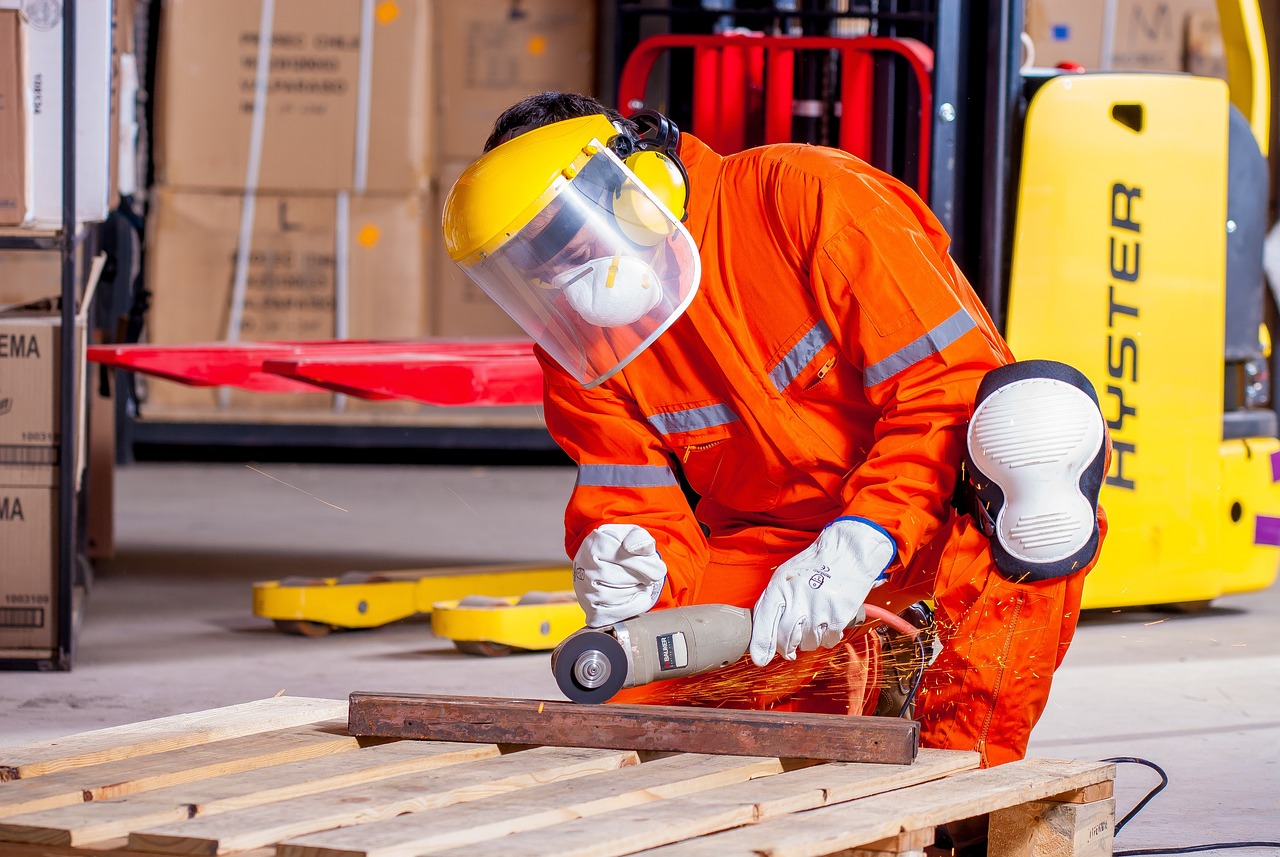
One of the key advantages of portable alloy analyzers lies in their versatility. Whether in the field, on the factory floor, or in remote locations, these devices empower engineers, inspectors, and quality control professionals to swiftly assess material properties without the need for extensive sample preparation or transportation to centralized labs. This versatility streamlines workflows, reduces downtime, and enhances decision-making processes.
Quality control is paramount across industries such as aerospace, automotive, manufacturing, and construction. Portable alloy analyzers play a pivotal role in this realm by enabling rapid material verification, ensuring compliance with stringent industry standards and specifications. From identifying alloy grades to detecting impurities and assessing material integrity, these devices provide invaluable insights that drive quality assurance efforts and prevent costly errors.
In today's globalized marketplace, supply chains span continents, with materials sourced from diverse suppliers worldwide. Portable alloy analyzers offer a means to validate material authenticity and conformity at every stage of the supply chain, mitigating the risk of counterfeiting, substandard components, or incompatible materials. By facilitating rapid and reliable material identification, these analyzers foster transparency, accountability, and trust among stakeholders.
Field professionals, including welders, inspectors, and maintenance technicians, rely on timely and accurate material analysis to ensure structural integrity, product reliability, and safety compliance. Portable alloy analyzers provide these frontline workers with a powerful toolset, enabling them to make informed decisions swiftly, troubleshoot issues effectively, and optimize processes on the fly. This empowerment translates into enhanced productivity, reduced rework, and improved safety outcomes.
The impact of portable alloy analyzers extends beyond conventional applications, driving innovation across industries. From advancing materials science research to enabling rapid prototyping and customized manufacturing, these devices catalyze breakthroughs that redefine the boundaries of possibility. By fostering a culture of continuous improvement and experimentation, portable alloy analyzers inspire creativity and fuel technological progress.
Case Background: An auto parts manufacturing company uses various metal alloy materials to manufacture parts in its production line. The company strictly requires that all alloy materials used must comply with industry standards and customer-required quality and composition standards.
Problem: In the past, companies used traditional chemical analysis methods to test the composition of alloy samples, which required sending samples to a laboratory for expensive and time-consuming testing. This approach can lead to production stops and delays, affecting the efficiency of the entire production process.
Solution: To improve production efficiency and quality control levels, the company introduced a portable X-ray fluorescence (XRF) analyzer. These devices are small and portable and can perform fast and accurate composition analysis of metal alloy materials on-site.
Application process: On the production line, workers can use portable XRF analyzers at any time to test alloy samples obtained from suppliers or intermediate products in the production process. They only need to point the probe of the analyzer at the sample surface, start the test program, and get a detailed analysis report on the sample composition in a few seconds.
The result: By using a portable XRF analyzer, the company greatly improved the efficiency and accuracy of materials analysis. They are able to detect any ingredient problems or changes in materials in a timely manner and take appropriate measures to make adjustments and improvements, thus avoiding the occurrence of production and quality problems of substandard products.

In today's highly competitive market environment, the Terra 900S handheld XRF mineral analyzer is a leading and portable elemental analysis instrument. As the requirements for accuracy and speed of material analysis in the industrial field continue to increase, the Terra 900S handheld XRF mineral analyzer has become an ideal tool to solve this problem and has been widely used in the mining industry. The Terra 900S handheld XRF mineral analyzer uses advanced electronic technology and unique software algorithms to complete composition analysis and display elemental content in seconds. Users only need simple training to operate the instrument easily. The device is not limited by location, sample shape and size, and does not require sample preparation. This makes the Terra 900S handheld XRF mineral analyzer a powerful tool for elemental analysis in the fields of quality control, component identification, material classification, safety precautions and other fields. The Terra 900S handheld XRF mineral analyzer has higher accuracy and faster response time, which can effectively improve production efficiency and save detection costs. In addition, the device is durable, easy to use and maintain. It can work outdoors and in harsh environments and is a powerful assistant for mining workers, engineers and scientists.
In the relentless pursuit of excellence, portable alloy analyzers have emerged as indispensable assets, reshaping how materials are analyzed, authenticated, and utilized across industries. Their portability, accuracy, and versatility empower professionals at every stage of the value chain, from procurement to production to maintenance. As technology continues to evolve, the impact of these field-tested tools will only amplify, driving innovation, efficiency, and quality assurance in the ever-evolving landscape of manufacturing and beyond.
 Your location:
