

In the world of material science and engineering, the analysis of metals plays a crucial role in ensuring product quality, safety, and compliance with industry standards. Traditional methods of metal analysis often involve time-consuming laboratory processes, which can be impractical in certain scenarios. However, with the advent of portable spectrometers, a new era of material testing has emerged. These compact and versatile instruments have revolutionized metal analysis by providing real-time, on-the-spot insights into the composition and properties of various metal samples. Portable Spectrometer for Metal Analysis such as AXR Terra series Handheld XRF Analyzers are good choice for analysis in many fields, delivering rapid, accurate results right in your hand. It is the ideal solution for checking and analyzing alloy, precious metals, coating thickness, soil, lithium battery etc. anytime anywhere with a fast and a non destructive way.
Portable spectrometers offer a significant advantage over traditional benchtop instruments due to their portability and ease of use. Researchers, engineers, and quality control professionals can now carry these devices directly to the field, production line, or even remote locations, eliminating the need for sample transportation and reducing the turnaround time for analysis.
One of the key applications of portable spectrometers in the field of material science is the analysis of metal composition. These instruments utilize techniques such as X-ray fluorescence (XRF) and laser-induced breakdown spectroscopy (LIBS) to determine the elemental composition of metal samples. By exposing the sample to X-rays or laser pulses, the spectrometer measures the characteristic energy emissions or emissions lines, allowing for rapid identification and quantification of elements present in the material. This capability is invaluable in industries such as manufacturing, aerospace, and automotive, where knowing the exact composition of metals is critical for product performance and safety.
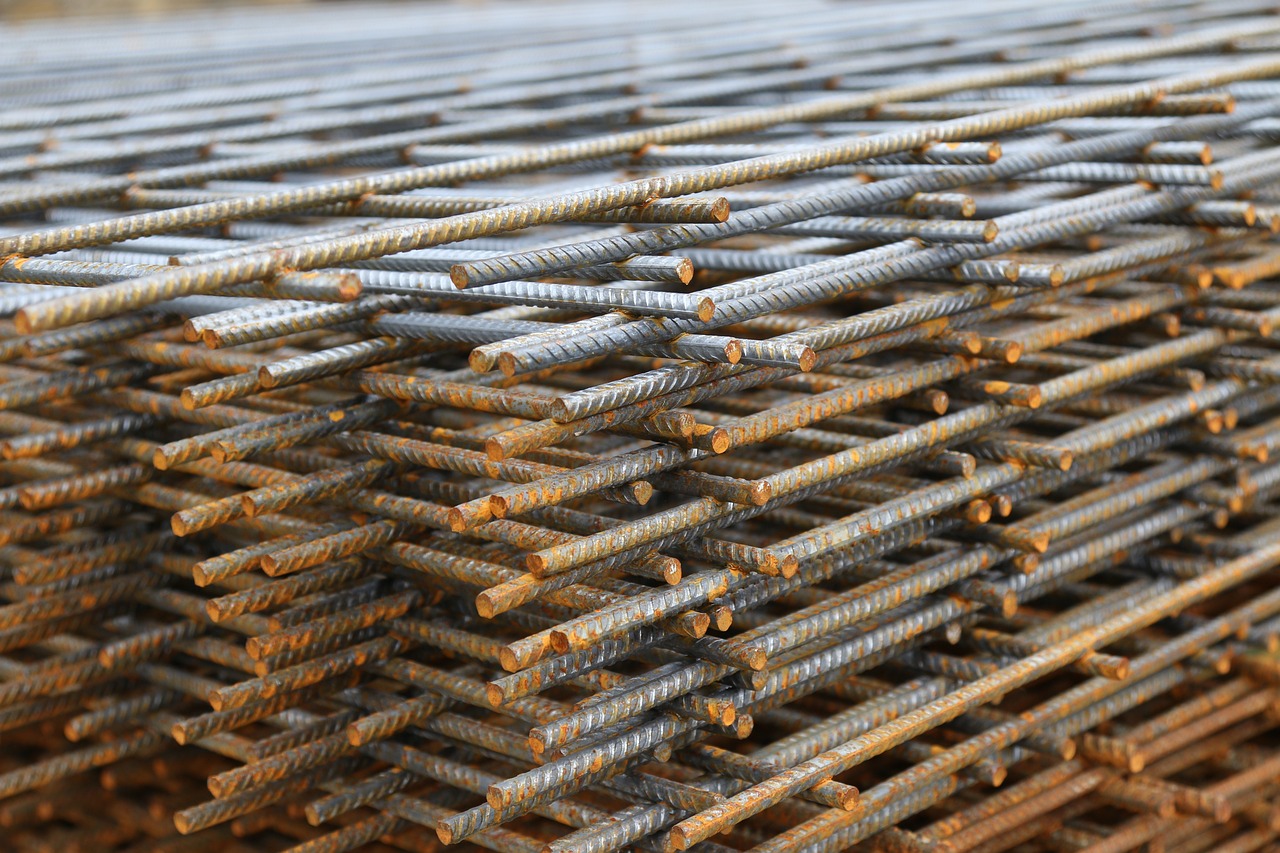
In manufacturing processes, where consistency and quality control are paramount, portable spectrometers have proven to be game-changers. Instead of waiting for laboratory results, manufacturers can perform real-time quality assessments of incoming raw materials, monitor production processes, and verify the integrity of finished products. This not only saves time but also reduces the risk of defects, recalls, and non-compliance.
Portable spectrometers also contribute to environmental sustainability by enabling on-site analysis and reducing the need to transport samples to off-site laboratories. This not only conserves energy and resources but also minimizes the carbon footprint associated with transportation.
While portable spectrometers offer numerous advantages, they also come with certain challenges. Calibration, accuracy, and sensitivity are crucial factors that need to be carefully addressed to ensure reliable results. Regular maintenance and updates are essential to keep the instrument's performance optimal. Additionally, the cost of these devices, although decreasing with advancements in technology, can still be a significant investment for smaller businesses.
As technology continues to advance, portable spectrometers are expected to become even more powerful, accurate, and user-friendly. Integration with smartphone apps, cloud-based data storage, and AI-driven analysis could further simplify the operation and data management processes. This would open up new possibilities for remote collaboration and real-time decision-making.
The rise of portable spectrometers has transformed the landscape of metal analysis in material science and engineering. With their ability to provide instant, on-site insights into metal composition and properties, these instruments have become indispensable tools for various industries. As technology progresses, the potential applications and impact of portable spectrometers on material testing are only set to expand, making them a true game-changer in the realm of material analysis.
 Your location:
