

When you think of a treasure hunt, you might envision pirates seeking buried gold or explorers delving into long-forgotten tombs. However, there's a hidden treasure trove right under our noses, and it's not made of precious gems or ancient artifacts but of something far more mundane - catalytic converters. Yes, those inconspicuous components of your vehicle's exhaust system can hold surprising value in the scrap market. In this article, we will uncover the secrets behind cat converter scrap value and why they have become a hot commodity.
Before we delve into the world of catalytic converter scrap, let's understand what catalytic converters are and why they are so crucial. Catalytic converters are emissions control devices found in most vehicles, especially those equipped with internal combustion engines. Their primary purpose is to reduce harmful pollutants in exhaust gases.This unassuming device works by utilizing catalysts to promote chemical reactions that convert toxic byproducts of combustion, such as carbon monoxide, nitrogen oxides, and hydrocarbons, into less harmful substances like carbon dioxide, nitrogen, and water. In essence, catalytic converters play a pivotal role in mitigating air pollution, making them essential components of modern vehicles.
The true value of catalytic converters lies in the precious metals they contain. These devices typically comprise catalysts made up of three metals. The first of these metals is platinum, a noble metal and one of the most valuable elements in catalytic converters. It plays a crucial role in reducing emissions, and its scarcity and high market price make it a sought-after commodity in the scrap industry. The second metal, palladium, is similar to platinum and is a highly efficient catalyst for reducing harmful emissions. It's also a vital component in catalytic converters and a valuable asset in the scrap market. The third metal, rhodium, is another crucial element used in catalytic converters. It is incredibly efficient at converting harmful gases into less harmful substances, making it an indispensable component for emission control.
Catalytic converters containing higher concentrations of these precious metals can experience significant price fluctuations due to global demand and supply dynamics, geopolitical factors, and economic conditions. In recent years, several factors have contributed to the increased demand for catalytic converter scrap. The prices of platinum, palladium, and rhodium have seen substantial increases due to their widespread use in various industries beyond catalytic converters. Industries like electronics, jewelry, and industrial processes rely on these metals, driving up their demand. Stringent environmental regulations have mandated cleaner emissions from vehicles. As a result, automakers are equipping their vehicles with more advanced catalytic converters, often containing higher concentrations of precious metals, to meet these standards. As awareness of environmental sustainability grows, the recycling industry is booming. Catalytic converter recycling is a prime example of this trend, as it reduces the need for mining and refining new precious metals, which is resource-intensive and environmentally taxing.
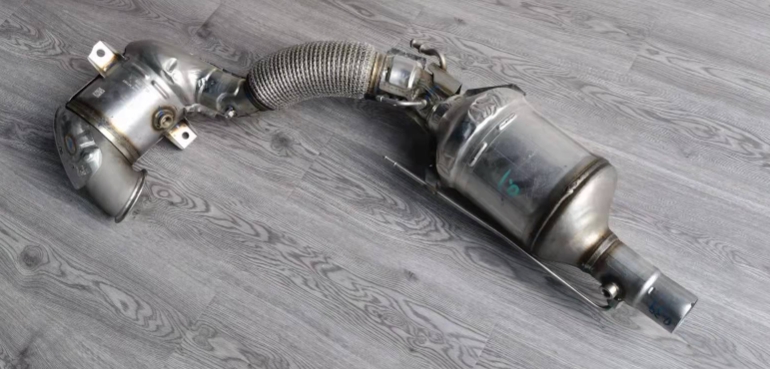
In the midst of this overarching trend, handheld alloy analyzers play a significant role in the evaluation of catalytic converter value and market integrity. They offer a fast, accurate, and reliable method for determining the precious metal content within catalytic converters, contributing to fair and legal transactions. Most handheld alloy analyzers on the market come with several advantages, such as rapid identification of alloy components, time and labor savings, improved accuracy, portability, and ease of operation.
One notable model, the AXRTerra900 handheld precious metal analyzer, stands out among many brands. This model is not only effective in the realm of three-way catalysts but also finds significant application in various fields, including precious metal recovery, pawnshops, quality control, and jewelry inspection, among others.
The AXRTerra900 offers a choice of two detectors: a high-performance Si-Pin detector or an optimized SDD detector. It features a multi-position automatic filter changer for filters, and the detection window can be selected with an anti-puncture window design, offering options like Kapton. In addition to the standard elements (Ti、V、Cr、Mn、Fe、Co、Ni、Hf、Ta、Re、Cu、Zn、W、Se、 Pb、Bi、Zr、Nb、Mo、Al、Pd、Ag、Sn、Sb ), more elements can be added according to specific needs.
This instrument is compact, lightweight, and easy to operate, capable of withstanding environmental conditions ranging from -10°C to 50°C and humidity levels from 0% to 80%.In conclusion, handheld alloy analyzers play a significant role in assessing the value of catalytic converters and upholding market integrity. They offer a swift, precise, and reliable means of determining the precious metal content within these devices, contributing to fair and legal transactions. For more information on the configurations of the AXRTerra900 and other similar instruments, please visit the manufacturer's website.
There have been several research achievements in the field of scrap catalytic converters using X-ray Fluorescence Spectrometry (XRF), which help analyze and evaluate the metal components within catalytic converters and assess their quality. Here are some research findings related to X-ray Fluorescence Spectrometry:
Metal Component Analysis: XRF technology can be used for rapid, non-destructive analysis of the metal components in catalytic converters. Studies have shown that XRF is effective in accurately measuring the content of precious metals such as platinum (Pt), palladium (Pd), and rhodium (Rh) within catalytic converters, which is crucial for assessing their value.
Quality Assessment: XRF can also be employed to assess the quality and condition of catalytic converters. Research has demonstrated that by analyzing metal components, XRF can detect impurities or contaminants within catalytic converters. This aids in determining whether a catalytic converter is suitable for recycling or if further processing is necessary.

Categorization and Pricing of Scrap Catalytic Converters: XRF can assist in categorizing and pricing scrap catalytic converters. Researchers can use XRF instruments to establish accurate databases of metal components for different models and manufacturers of catalytic converters, facilitating better valuation and categorization of these scrap materials.
Environmental Compliance Checks: Studies have also shown that XRF technology can be used to verify the environmental compliance of scrap catalytic converters, ensuring their adherence to environmental regulations and legal requirements. This is crucial for ensuring the legal and environmentally compliant recycling and trading of scrap catalytic converters.
Efficient Recycling: XRF technology can be utilized to enhance the efficiency of the scrap catalytic converter recycling process. Through rapid analysis and categorization, recycling and waste management companies can process these materials more effectively, promoting resource recovery and sustainability.
In summary, X-ray Fluorescence Spectrometry has provided the scrap catalytic converter industry with critical tools, and research findings have helped researchers, recycling businesses, and regulatory authorities better understand, analyze, and manage scrap catalytic converters. These achievements contribute to the advancement of the scrap catalytic converter recycling industry, with the aim of achieving higher resource recovery rates and environmental goals. Catalytic converters, the unsung heroes of emissions control, hold a hidden treasure within. Their scrap value, driven by the precious metals they contain and the growing demand for recycling, has turned them into sought-after commodities. Whether you're replacing a faulty converter in your vehicle or simply stumble upon one, understanding its worth in the scrap market can be a profitable endeavor. So, remember, that old catalytic converter might just be your ticket to uncovering hidden treasure in plain sight.
 Your location:
