

In the realm of material testing and quality control, precision and accuracy are paramount. Metal materials, widely used in various industries, must undergo rigorous testing to ensure they meet the required standards. Among the arsenal of tools available for this purpose, handheld waterproof metal detector have emerged as indispensable devices for professionals in the field. In this article, we will explore the advantages of using these portable and waterproof devices in metal material testing.
Metal materials serve as the backbone of modern industry, used in everything from construction and aerospace to automotive and electronics. Ensuring the integrity and quality of these materials is essential to avoid costly failures, maintain safety standards, and meet regulatory requirements. To accomplish this, precise and efficient testing methods are required.
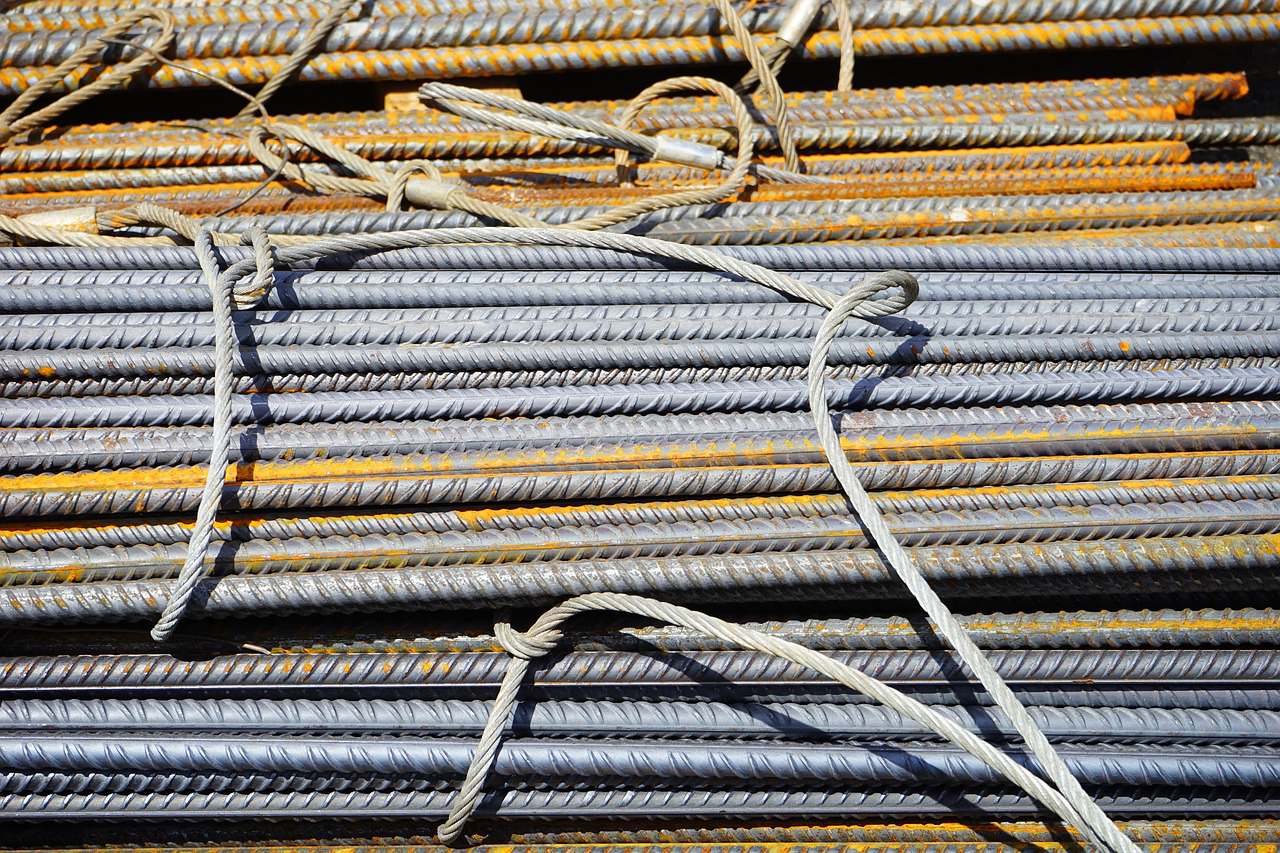
Portability: One of the standout advantages of handheld metal detectors is their portability. Unlike large and stationary metal detectors, handheld models are lightweight, compact, and easy to transport. This means that material testing can be conducted on-site, at various locations within a facility, or even in the field. This portability greatly enhances the flexibility and efficiency of testing processes.
Waterproof Design: The waterproof feature of these detectors is a game-changer for industries that involve exposure to moisture, liquids, or even submerged environments. Whether testing metal components in marine applications, submerged pipelines, or industrial tanks, waterproof detectors can perform flawlessly without the risk of damage. This ensures continuous operation even in harsh conditions.
Precision: Handheld waterproof metal detectors offer precise detection capabilities, allowing professionals to pinpoint the exact location and size of metal contaminants or defects within the material. This level of precision is vital for identifying potential weaknesses in structural components, such as welds or castings, and ensuring they meet specified quality standards.
Quick and Non-Destructive Testing: These detectors offer rapid testing without the need for destructive methods like cutting or drilling. This non-destructive testing approach saves time and resources, as the material can often be used after inspection, reducing waste and costs.
User-Friendly: Modern handheld metal detectors are designed with user-friendliness in mind. They often feature intuitive interfaces and ergonomic designs that make them easy to use by technicians and inspectors with varying levels of experience.
Real-time Feedback: Many handheld detectors provide real-time feedback, offering immediate results and data visualization. This enables on-the-spot decision-making, allowing professionals to take corrective actions if needed during the testing process.
Versatility: Handheld waterproof metal detectors are versatile tools that can be used to test a wide range of metal materials, including ferrous and non-ferrous metals. This versatility makes them indispensable in diverse industries, from manufacturing to construction and beyond.
XRF uses the primary X-rays emitted by the X-ray tube to irradiate the sample, so that the sample is excited to emit characteristic X-ray fluorescence, and then through the X-ray fluorescence energy analysis and intensity measurement, the type and content of the elements in the sample can be quantitatively calculated.
XRF can directly test solid samples, and can perform non-destructive testing on samples that meet the test requirements. At the same time, the test speed is fast and the sensitivity is high. Since the handheld XRF analyzer is more portable, it is more suitable for rapid spot check and quality control of samples.
The performance of the handheld XRF analyzer Terra900 series can fully meet the requirements for rapid onsite check and quality control of denture metal raw materials.
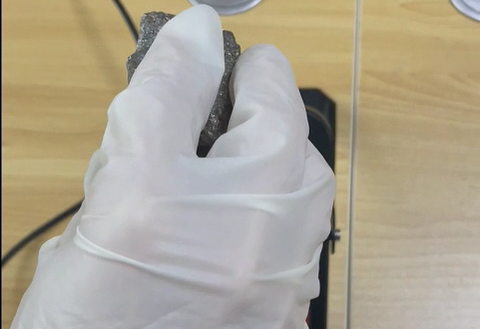
In the world of metal material testing, precision, efficiency, and adaptability are key factors in ensuring the quality and safety of products and structures. Handheld waterproof metal detectors offer a solution that checks all these boxes. Their portability, waterproof design, precision, non-destructive testing capabilities, user-friendliness, and versatility make them indispensable tools in the hands of professionals tasked with ensuring the reliability of metal materials. As technology continues to advance, these devices are likely to play an increasingly vital role in maintaining the high standards expected in various industries.
 Your location:
