

Lead contamination in soil is a pervasive and alarming issue that often goes unnoticed, yet its consequences are far-reaching and detrimental to both the environment and human health. The silent threat of lead contamination can have devastating effects on our communities, ecosystems, and future generations. In this article, we will delve into the depths of this hidden problem, exploring its sources, impacts, and potential solutions.
Lead contamination in soil can be traced back to various sources, both natural and anthropogenic. While natural sources like volcanic eruptions and erosion can contribute to the presence of lead in the environment, the primary culprits are human activities. These sources include:
Historical Use of Lead-Based Products: Lead has a long history of use in various applications, from paint and gasoline to plumbing materials. As these products deteriorate over time, lead leaches into the soil, creating a long-lasting legacy of contamination.
Industrial Processes: Factories, smelting plants, and mining operations release lead into the environment. The byproducts of these processes contaminate nearby soil, impacting surrounding communities.
Agricultural Practices: The use of lead-based pesticides, contaminated animal feeds, and the application of sewage sludge to farmlands have introduced lead into agricultural soils, leading to the potential transfer of lead into our food supply.
Urbanization: Urban areas with heavy traffic often see lead emissions from vehicle exhaust. This leads to elevated lead levels in urban soils, particularly near roadways.

Lead contamination poses a significant threat to the environment, human health, and wildlife. The consequences are multifaceted:
Human Health: Lead exposure can lead to severe health issues, particularly in children. It can hinder cognitive development, cause behavioral disorders, and result in physical ailments. Adults are also at risk, with lead exposure linked to cardiovascular problems and reproductive issues.
Environmental Impact: Lead contamination disrupts soil ecosystems, affecting plant growth, microbial communities, and insect populations. The toxic metal can accumulate in plants, making its way up the food chain, ultimately threatening wildlife and ecosystems.
Water Pollution: When lead-contaminated soil erodes, it can enter water bodies, causing water pollution. This not only endangers aquatic life but also affects the quality of drinking water.
Soil Degradation: Soil contaminated with lead becomes less fertile, impairing agricultural productivity. This has severe implications for food security and the global economy.
Addressing the issue of lead contamination in soil requires a multifaceted approach involving government regulations, public awareness, and scientific innovation:
Legislation and Regulation: Governments and environmental agencies must establish and enforce stringent regulations on lead usage, emissions, and disposal. Additionally, they can initiate soil remediation programs to clean up contaminated areas.
Education and Awareness: Public awareness campaigns are crucial in helping communities recognize the dangers of lead exposure and how to minimize risks. This includes informing the public about proper disposal of lead-containing products and the importance of soil testing.
Safe Soil Practices: Implementing lead-safe gardening practices, such as raised beds with uncontaminated soil, can help minimize the risk of lead exposure. This is particularly important in urban areas.
Innovative Remediation Technologies: Researchers are developing innovative techniques for lead remediation in soil, such as phytoremediation, which uses plants to absorb and store lead, and microbial bioremediation, which leverages the power of specialized microorganisms to detoxify soil.
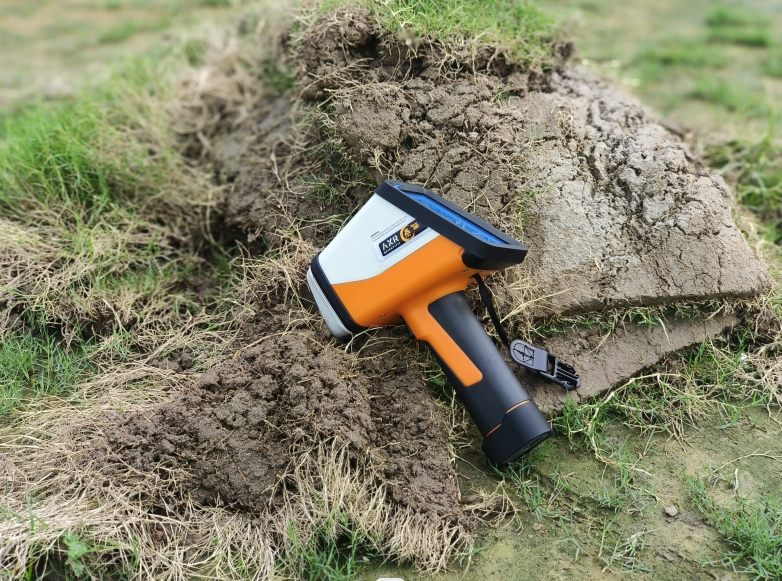
Handheld soil analysis instruments play a crucial role in mitigating the issue of lead contamination in soil. These devices combine advanced technology with portability, making them powerful tools for monitoring, detecting, and managing lead pollution. Here are several ways in which handheld soil analysis instruments help address lead contamination in soil:
Real-time Detection: Handheld soil analysis instruments provide nearly instant detection results, allowing you to obtain on-site information about lead levels in the soil. This helps quickly identify contaminated areas and take urgent measures to reduce exposure risks.
Accuracy and Precision: Modern handheld soil analysis instruments feature highly accurate sensors and equipment that can measure lead content in the soil in very small measurement units. This ensures data precision for taking necessary actions.
Portability: These instruments are lightweight and easy to carry, enabling users to perform tests at different locations. This is particularly important for soil monitoring over large areas, especially in urban environments where lead contamination risks may vary due to different factors.
Monitoring and Tracking: Handheld soil analysis instruments can be used to monitor changes in lead content in the soil over time. This helps identify lead sources and understand trends in lead contamination, thus facilitating long-term management and remediation efforts.
Decision Support: By providing timely and accurate data, these instruments offer support to government agencies, environmental organizations, and individual decision-makers. They can take appropriate actions based on the data, such as guiding soil remediation work, formulating policies, or regulations to reduce lead exposure risks.
Cost-Effectiveness: Compared to traditional laboratory analyses, handheld soil analysis instruments are often more cost-effective. This makes them more accessible to a broader range of people and organizations, enhancing the feasibility of monitoring and analysis.
In summery, AXR Terra600 Series Handheld Soil Analyzer is an important tool for soil and sediment screening. It can detect hazardous heavy metals within seconds. Using AXR Terra600 for on-site rapid soil screening significantly reduces the number of samples that need to send to laboratory for analysis, reducing analysis costs and analysis time. And soil treatment and remediation costs can be minimized by rapidly screening and delineating contaminated areas and identifying remediation areas on-site.
The threat of lead contamination in soil is a pervasive issue that requires immediate attention and concerted efforts from governments, communities, and individuals. The consequences of lead exposure are severe, impacting human health, the environment, and wildlife. Through stringent regulations, public awareness campaigns, and innovative remediation techniques, we can unearth the truth about this hidden threat and work towards a future where lead contamination is but a distant memory, ensuring a safer and healthier world for generations to come.
 Your location:
