

In the world of precious metals, accurate determination of composition is crucial. Traditionally, jewelers and metallurgists have relied on techniques such as fire analysis to assess the purity of metals, especially gold. Whether you are making jewelry or investing in precious metals, understanding the purity and authenticity of your precious metals is crucial. For centuries, people have relied on traditional assay methods such as fire and acid tests. However, as technology advances, XRF (X-ray fluorescence) precious metal analyzers have become powerful tools in modern testing processes. In this article, we will explore the importance of XRF analysis and how it surpasses traditional carat-based methods in modern testing processes.
Assaying, the process of determining the composition of metals, has a long history, dating back centuries. Jewelers typically use a carat system, which measures the purity of gold on a scale of 1 to 24. Traditional assay methods, although effective, have some limitations. For example, the fire method requires high temperature and takes a long time. Acid testing relies on the reaction of metal with corrosive substances, which can be subjective and prone to human error. These methods also involve destructive sampling, resulting in the loss of small amounts of precious metals. In contrast, XRF analyzers provide non-destructive testing that can analyze samples quickly and accurately without damaging them. While karat provides a means of rapid assessment, it has limitations in accurately determining the exact composition of a metal alloy.
XRF technology has become a revolution in the field of assays. XRF analyzers work based on the principle of X-ray fluorescence. When a sample is irradiated by X-rays, the atoms in the sample will emit characteristic X-rays, which are detected and analyzed. This analysis provides valuable information about the elemental composition of the sample, including the presence and concentration of various metals. XRF analyzers can identify and quantify elements down to parts per million (ppm) levels, as well as high percentages of elements, making them extremely suitable for analyzing a wide range of precious metals. XRF analyzers use the principle of X-ray fluorescence to identify the elemental composition of materials. This non-destructive technology is not only much faster than traditional methods, but also provides highly accurate results.
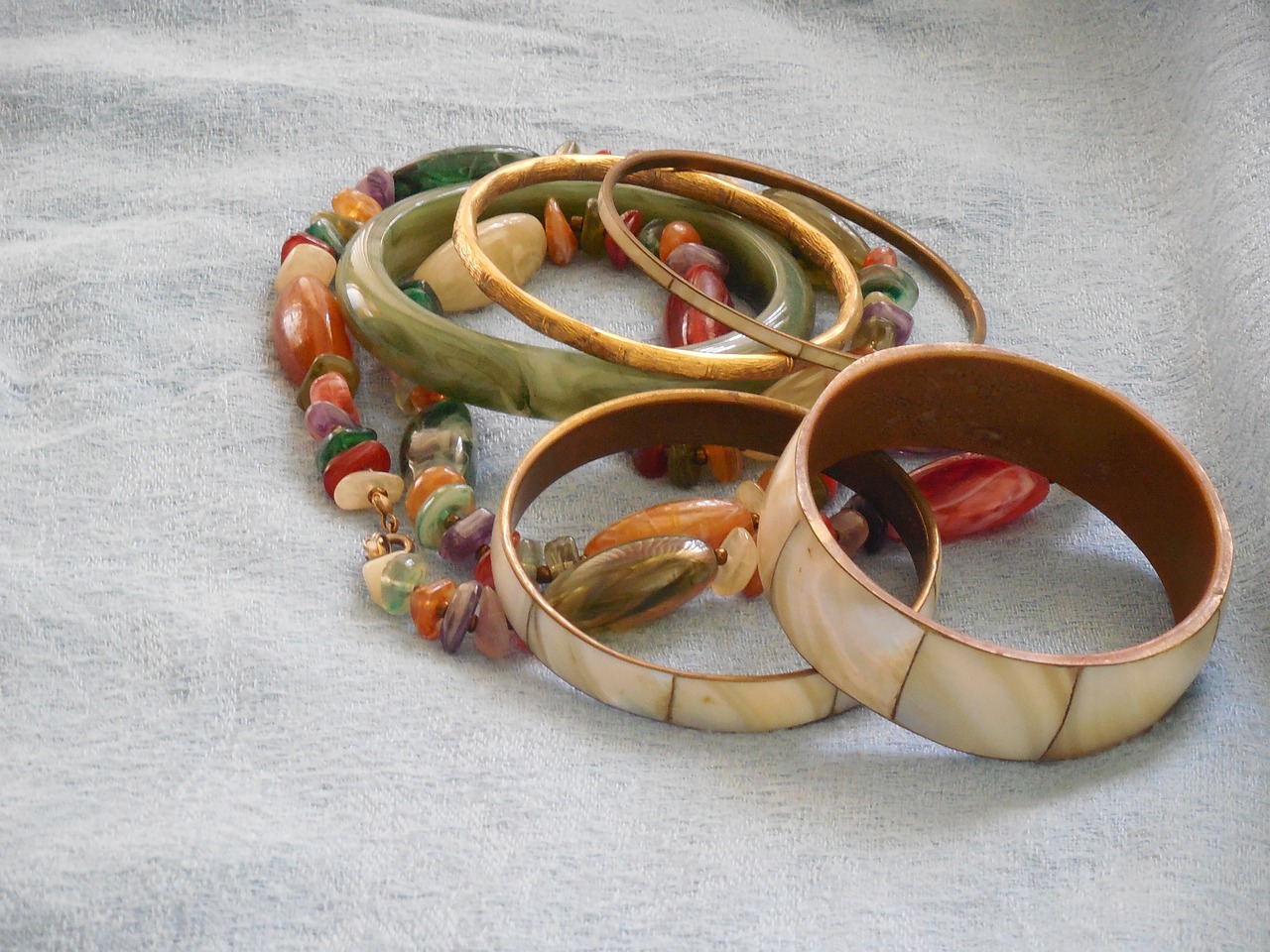
Determining the purity of precious metals is critical for both buyers and sellers. XRF analyzers can accurately measure the percentages of different metals in a sample, thereby verifying the claimed purity level. For jewelry manufacturers, XRF analyzers are invaluable in identifying alloy composition, ensuring the desired properties and characteristics of the final product are achieved. Likewise, for scrap metal dealers and refiners, XRF analyzers provide efficient and reliable analysis for sorting and processing various metal alloys.
Accuracy and Precision: XRF analyzers provide unparalleled accuracy and are able to pinpoint the elemental composition of metals. This is particularly critical in industries where small changes in purity can significantly impact the value of the final product.
Non-destructive testing: Unlike fire methods, which require melting metal, XRF analyzers provide non-destructive testing. This means the integrity of the item being tested is maintained, making it ideal for evaluating precious jewelry and artifacts.
Speed and efficiency: An important advantage of XRF analyzers is their non-destructive nature. Unlike traditional methods that require taking samples for testing, XRF analyzers can analyze the composition of precious metal samples without causing any damage. This allows jewelers and collectors to assess the authenticity and quality of a piece without having to alter or devalue it. In addition, XRF analyzers provide fast results, reducing the time required for analysis and improving productivity and effectiveness. XRF analyzers provide rapid results, reducing the time required for assays. Not only does this increase efficiency, it also enables industries, from jewelry manufacturing to mining, to make decisions more quickly.
Versatility: XRF analyzers come in a variety of sizes, including handheld units, for portability and convenience. This portability enables on-site analysis, making it ideal for on-site applications such as jewelry appraisals, pawnshops and metal recycling centers. Using handheld XRF analyzers, professionals can quickly verify the authenticity and composition of precious metals, providing immediate and reliable information for decision-making. XRF technology is not limited to gold. It can analyze a variety of precious metals, including silver, platinum and palladium, making it a versatile tool for a variety of applications.
Regulatory Compliance: As regulatory requirements for precious metal traceability and authenticity become more stringent, XRF analyzers help companies ensure compliance by providing accurate and documented assay results.
Handheld XRF analyzers have become an effective tool for quality control in many metal processing and manufacturing fields. They can conduct material testing anytime and anywhere, and are easy to use and maintain. The Terra 900 series handheld alloy analyzer is an ideal tool for metal analysis in multiple fields such as quality control, grade identification, material classification, and safety precautions. Based on advanced electronic technology and unique software algorithms. The Terra 900 Series completes metal composition analysis in seconds and displays the alloy grade and elemental content on the touch screen. Users can operate the instrument proficiently with only simple training. Sample detection is not limited by location, sample shape and size, and does not require sample preparation. Its advantages are very obvious, such as: second-level detection, non-destructive determination of metal grades, and laboratory-level analysis results; the instrument uses high-performance Si-Pin or SDD (graphene window) detectors; it adopts the basic parameter method and theoretical influence coefficient. The powerful algorithm combined with the method solves the problem of linear inconsistency in the high and low content of some elements, and improves the operating efficiency and detection accuracy; the alloy grade library covers at least 1,600 alloy grades.

The field of XRF technology continues to advance, resulting in improved instrument sensitivity, accuracy, and software capabilities. Modern XRF analyzers offer greater accuracy and broader elemental coverage, allowing for more comprehensive analysis of complex metal compositions. In addition, a user-friendly interface and data management system simplify the interpretation and reporting of results, further improving the efficiency and reliability of the assay process.
Jewelry Manufacturing: XRF analyzers are widely used in the jewelry industry to evaluate the purity of gold and other precious metals to ensure the quality of the final product.
Mining and Exploration: In mining, XRF analyzers play a vital role in on-site analysis, allowing miners to quickly assess the composition of ore samples and make informed decisions regarding extraction.
Recycling and Refining: Recycling facilities and metal refineries use XRF analyzers to sort and process scrap metal, ensuring that the recycled material meets required quality standards.
XRF precious metal analyzers revolutionize modern testing processes by going beyond carats to provide accurate, non-destructive precious metal analysis. These analyzers provide valuable information on metal composition and purity, ensuring transparency and trust in the industry. With increased portability and time efficiency, XRF analyzers have become an indispensable tool for jewelry manufacturers, refiners, collectors and investors alike. The integration of XRF precious metal analyzers into the assay process marks an important leap forward in metallurgy and jewelry manufacturing. As technology continues to advance, XRF analyzers are likely to become even more indispensable in the process of carefully evaluating and ensuring the purity of precious metals. On the road beyond carats, XRF technology is undoubtedly shaping the future of assays.
 Your location:
