

Silver has been a highly prized precious metal for centuries, prized for its beauty and versatility. One of the important skills you can master as a silver jewelry enthusiast is the art of acid for testing silver. This method can help you determine the authenticity and purity of your silver jewelry, making it a valuable tool for collectors, investors, and jewelry enthusiasts. In this article, we’ll delve into the world of silver acid testing and provide you with tips and tricks to master this valuable skill.
The silver acid test involves applying a small amount of acid to silver jewelry to see how it reacts. This reaction helps determine the purity of the silver by analyzing how quickly and strongly the acid acts on the metal.When performing a silver acid test, it is crucial to use the correct acid and follow proper safety precautions. The principle of the silver acid test is based on the redox reaction between silver and acid. By observing the color change and the speed of the reaction, the purity of the silver jewelry can be inferred. However, it should be noted that this testing method is not 100% accurate, so it is recommended to use it in conjunction with other verification methods, such as checking the inscriptions or referring to professional identification.
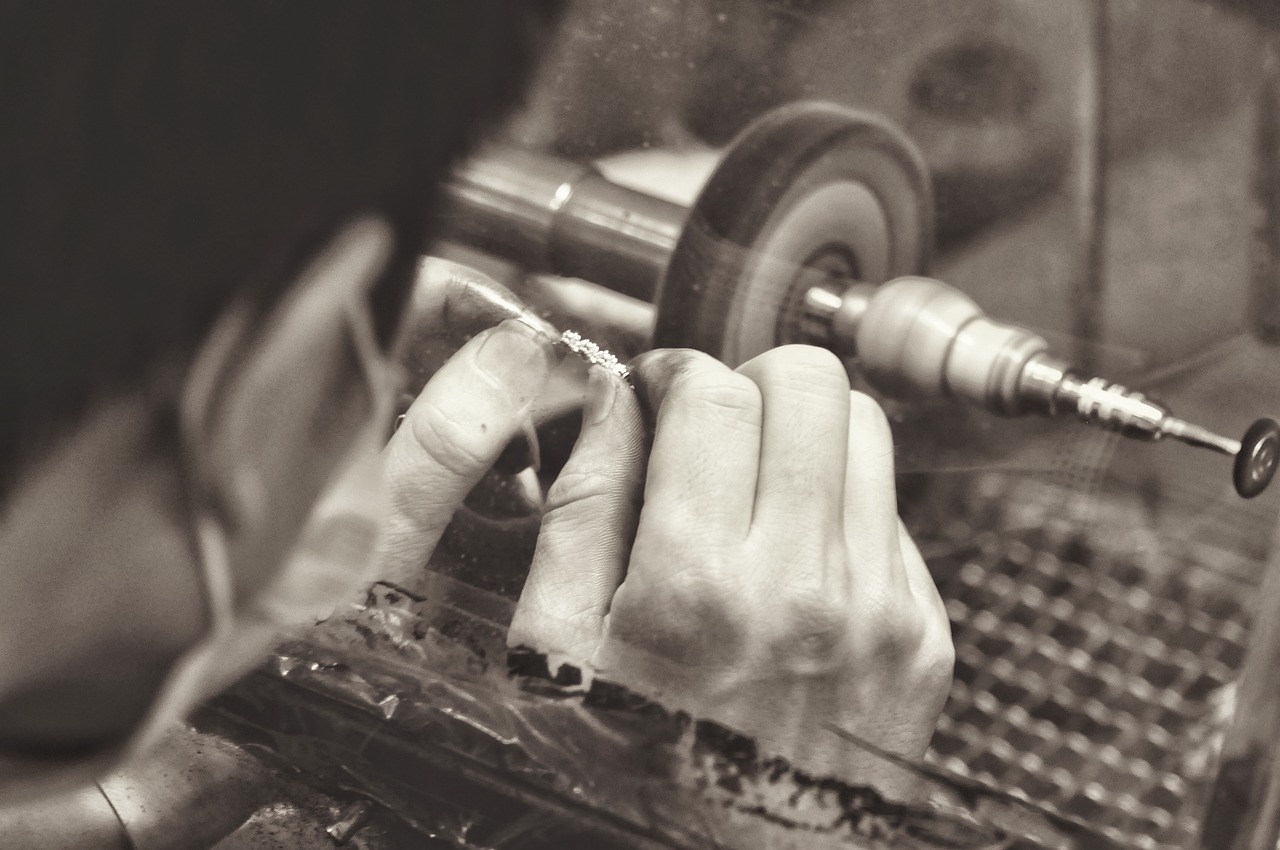
Tip 1: Gather the right tools. Before starting a silver acid test, make sure you have the necessary tools. This includes silver acid test kits, which typically contain a test acid, test stone, and file for testing different silver purity levels. Invest in a high-quality test kit from a trusted supplier to ensure accurate test results.
Tip Two: Authenticate Silver Jewelry. Before applying acid, it is crucial to visually inspect your silver jewelry. Look for markings that indicate silver purity, such as "925" for 925-purity sterling silver or other markings. This initial inspection can provide valuable information to guide your testing process.
Tip three: Choose the right test acid. Silver acid test kits typically include different acids for testing different silver purity. Common acid concentrations include 10K, 14K, 18K and 925 sterling silver. Carefully choose an acid that corresponds to the suspected purity of your silver jewelry. Always follow the instructions provided with the test suite.
Tip Four: Perform an acid test. Use a file to make a small scratch on the silver jewelry to expose the metal beneath the surface. Place a drop of the chosen acid on the test stone and rub the scratched area on the stone. Watch the reaction carefully. Genuine silver will exhibit a specific color change, while counterfeit or lower purity metals will react differently.
Although the silver acid test is a method commonly used to initially test the purity of silver jewelry, it also has some disadvantages and limitations that require careful consideration by the user. The silver acid test is primarily performed by scratching and applying acid to the surface, meaning it only detects the purity of the surface of the silver jewelry. If the silver jewelry is plated or composed of mixed metals, the test results may be inaccurate. Silver acid tests are often performed on small areas of silver jewelry, which may result in failure to detect the purity of the jewelry as a whole. Large silver jewelry or jewelry with intricate designs may have different purity levels in different parts. The silver acid test only works on silver within a specific purity range. While common testing acids include 10K, 14K, 18K, and 925 purity, if the purity of your silver jewelry is not within these ranges, the test may not provide accurate results. Interpretation of silver acid test results involves subjective judgment of color change. Different testers may have certain subjective differences in color interpretation, which may lead to different conclusions. The silver acid test is primarily used for silver, and for other metals or alloys the test may not provide reliable results. For complex alloys or combinations of different metals, additional methods are required for verification. Performing a silver acid test requires scratching the silver jewelry, which can damage the surface. For high-value or delicate silver jewelry, this can be an important consideration.
Although the acidity test is a reliable method, it has its limitations. It cannot differentiate between different silver alloys or determine the exact percentage of silver content. Therefore, it is recommended to combine with other methods such as X-ray fluorescence (XRF) analysis or professional laboratory testing to obtain comprehensive results. XRF testing is a non-destructive testing method that does not require scratching or applying acid to the silver jewelry. This means it will not cause any damage to silver jewelry and is particularly suitable for precious, ancient or delicate jewelry. XRF testing enables comprehensive testing on the entire silver jewelry, not just the surface. This helps ensure a complete picture of the purity of the entire piece, not just the parts. XRF technology can detect a variety of metals, including not only silver, but also other metallic elements that may be present. This makes XRF testing more suitable for the identification of mixed metals or alloys. XRF testing provides highly accurate test results, eliminating the subjective element of color interpretation. It determines the composition of a substance by measuring the energy spectrum of X-ray fluorescence, thereby providing more reliable and accurate purity information. XRF testing provides instant results in seconds, making it more efficient than the manual process of silver acid testing. This makes XRF ideal for high-volume inspection or real-time identification. XRF technology is not limited to a specific purity range and can be applied to a variety of silver jewelry of different purity, making it more flexible. XRF testing is usually performed by professional laboratories, which provide professional technical support and data interpretation. This further ensures the credibility and accuracy of the test results.
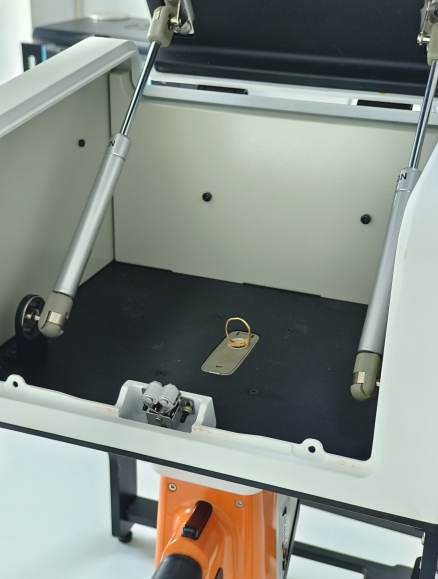
Terra990 handheld precious metal analyzer is widely used in precious metal recycling industry, jewelry industry, etc. It can also be used for purity identification of precious metals, gold and silver, and industrial precious metal catalyst industry. Terra990 uses a ceramic package micro-focus X-ray tube, a silver target of 50KV, a high-performance Si-Pin detector/SDD detector (graphene window), a resolution of 140eV FWHM/129eV FWHM, and a kapton window film, optional Carbon fiber anti-puncture window, collimator 5mm (optional 3mm), CPU is i.MX 8M Mini quad-core 1.8GHz, multi-channel processor is 4096 pixel multi-channel analyzer/80 MHz ADC digital signal processor, detection The output limit can reach 2pmm, and the thinnest test can be 0.005μm. The coating thickness is generally within 50μm (each material is different). Repeatability: up to 0.1%. It has a unique AXRUNI mechanism design, which effectively increases the heat dissipation of the light tube and integrates CCD. Microscopic camera with auto-focus lens, used to locate and record the location of measuring points, analyze elements Au, Ag, Pt, Pd, Rh, Ru, Ir, Zn, Cu, Ni, Co, Fe, which can be added as needed.
XRF (X-ray fluorescence) testing has shown impressive advantages in the field of silver jewelry testing, providing an advanced and reliable method for identifying the purity of silver jewelry. Compared with traditional silver acid testing, XRF testing has significant advantages in many aspects, making it one of the preferred technologies in the modern jewelry industry and collection community. Overall, the advantages of XRF testing lie in its non-destructiveness, comprehensiveness, multi-metal detection and high accuracy, making it a leading technology in the field of silver jewelry testing. For those who pursue a more advanced, comprehensive and reliable silver jewelry detection method, XRF technology is undoubtedly a trustworthy choice.
 Your location:
