

In the constantly evolving field of analytical instruments, handheld XRF analyzers have emerged as game changers, providing a glimpse into future material analysis. These portable devices, often referred to as the "X-ray vision" of the modern era, have completely changed the way we understand and analyze materials in various industries. If you are considering investing in a handheld XRF analyzer, then you are moving in the right direction to unlock unlimited possibilities. In the field of material analysis, it is crucial to quickly and accurately determine the elemental composition of an object. This is where portable X-ray fluorescence (XRF) analyzers come into play. These portable devices allow users to have X-ray vision in their hands, capable of identifying and quantifying elements in various materials, including metals, alloys, plastics, minerals, etc. In this comprehensive guide, we will explore key factors to help you choose the best handheld XRF analyzer that matches your specific needs.
The handheld XRF analyzer uses X-ray fluorescence to determine the elemental composition of materials. The X-rays from the analyzer interact with the atoms in the sample, causing them to emit characteristic X-ray fluorescence. By analyzing these emitted X-rays, the equipment can identify and quantitatively determine the elements present in the material.
The first thing to consider is the performance and analytical capability of the portable XRF analyzer. Searching for characteristics such as high sensitivity, low detection limit, and accurate elemental quantification. The instrument should have excellent resolution and accuracy, and be able to obtain reliable and reproducible results. Consider the energy range covered by the analyzer and ensure that it meets your specific application requirements.
a. Element Range: Evaluate the analyzer's ability to detect a wide range of elements, ensuring that it meets your specific application requirements.
b. Analysis speed: Evaluate the speed of results, as rapid analysis can significantly affect the decision-making process.
c. User interface: For efficient operations, intuitive control and display interface are crucial.
d. Portability: Consider size, weight, and battery life for mobility analysis in various environments.
The handheld XRF analyzer is an invaluable tool for ore element analysis, which helps with real-time decision-making in mining operations.
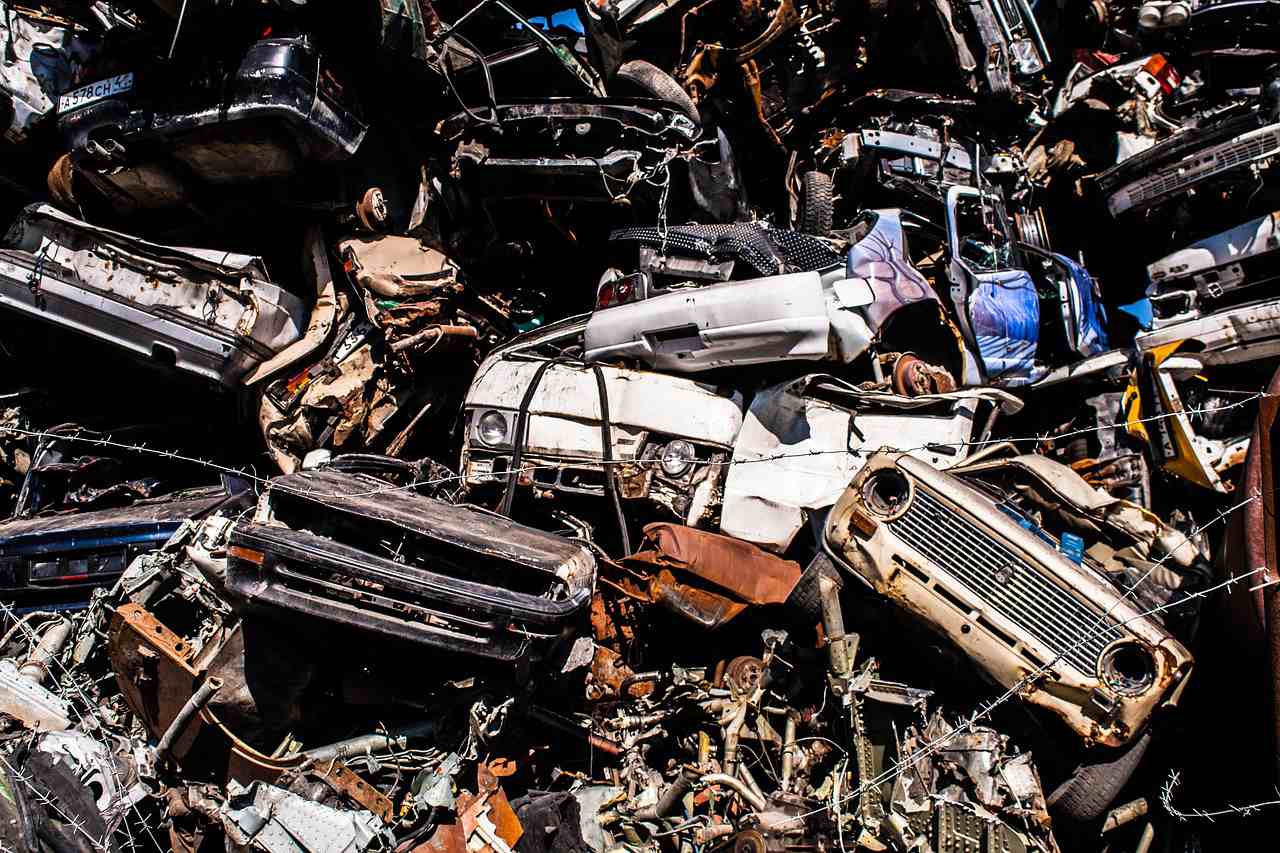
Various industries use these analyzers to quickly and accurately control the quality of materials such as metal alloys, plastics, and ceramics.
The handheld XRF analyzer plays a crucial role in environmental science, facilitating pollution monitoring and environmental assessment through on-site analysis of soil, water, and air samples.

The portable XRF analyzer is designed to be portable and user-friendly. Evaluate the ergonomic characteristics of the instrument, including weight, size, and ease of operation. A lightweight and compact analyzer will improve mobility and reduce fatigue during prolonged use. The user interface should be intuitive and easy to operate, with clear instructions and user-friendly display. Looking for analyzers with touch screen and wireless connectivity functions to achieve seamless data transmission. Ensure that the analyzer provides accurate and precise results. Review the specifications of the instrument and consider user feedback. Due to the frequent use of portable XRF analyzers in harsh environments, such as mining operations or field research, it is crucial to choose equipment that can withstand harsh conditions. Consider the manufacturing quality, robustness, and protective functions of the instrument, such as IP ratings for dust and water resistance. Finding analyzers with powerful and durable X-ray tubes is crucial for long-term performance and reliability. Choose a device with a user-friendly interface and simple operation. The battery life is a key factor to consider, especially if you plan to use the analyzer for a long time and cannot connect to the power outlet. Find an analyzer with a long battery life and the ability to work continuously for a whole day. In addition, evaluate the available charging options. Some analyzers provide the ability to quickly charge or replace batteries, ensuring uninterrupted operation when needed. Check supporting software for data management and analysis. Connectivity features such as Wi Fi or Bluetooth can simplify data transmission. Investigate the training and support options provided by manufacturers. A comprehensive training program will ensure that you and your team can effectively operate the portable XRF analyzer and maximize its potential.
Based on the above suggestions, I strongly recommend the AXR handheld elemental analyzer. The main products promoted by AXR brand include handheld analyzers, online XRF analyzers, desktop X-ray fluorescence spectrometers, etc. The main models of handheld analyzers include handheld alloy analyzers, soil analyzers, ternary lithium battery analyzers, coating analyzers, and precious metal analyzers. Different models can be selected for different application scenarios. Taking the Terra600 series handheld soil heavy metal analyzer as an example. The Terra600 series handheld soil heavy metal analyzer is an important tool used for screening soil and sediment to detect heavy metal pollutants. It can detect the hazardous heavy metal element content specified in soil environmental quality standards within seconds. The hazardous heavy metal element content specified in soil environmental quality standards can be detected within seconds, enabling flexible, fast, timely, and high-precision acquisition of heavy metal pollution information. This is the main technical means for soil census, emergency monitoring, and regional normalization monitoring.
The use of Terra 600 for on-site rapid screening of heavy metals in soil significantly reduces the number of samples that need to be brought back to the laboratory for analysis, reduces analysis costs, and shortens analysis time. By quickly screening and delineating contaminated areas and identifying remediation areas on site, soil treatment and disposal costs can be minimized to the greatest extent possible.
Investing in a handheld XRF analyzer will open up a new perspective on material analysis, allowing you to immediately reveal the elemental composition of various substances. Whether you are engaged in mining, manufacturing, or environmental science, choosing the right handheld XRF analyzer is crucial for achieving success. Consider your specific needs, application requirements, and key factors outlined in this guide to make informed decisions. With X-ray vision in your hands, you are not just analyzing materials - you are shaping the future of your industry. Wise choice, embark on a journey of innovation and discovery!
 Your location:
