

In the field of material analysis and quality control, handheld X-ray fluorescence (XRF) analyzers have become indispensable tools across various industries, including mining, manufacturing, and environmental monitoring. These portable devices provide rapid, non-destructive elemental analysis, enabling professionals to make informed decisions about the composition of various materials. However, with a plethora of options in the market, choosing the right handheld XRF cost requires careful consideration of costs and benefits. Maximizing return on investment (ROI) is crucial for enterprises to maintain a competitive edge in today's fiercely competitive industrial environment. Wise decision-making plays a vital role in selecting a suitable handheld XRF analyzer and managing its associated costs. This article explores the factors influencing the overall costs of handheld XRF analyzers and provides insights into maximizing investment returns.
The most apparent cost associated with handheld XRF analyzers is the initial purchase price. While opting for the lowest-priced option may be tempting, evaluating the equipment's quality, performance, and reliability is crucial. Low-cost models may lack advanced features or sturdy construction, leading to potential performance issues or frequent repairs. Striking a balance between affordability and long-term value is essential to ensure that the chosen analyzer meets the specific requirements of the application. Prices may vary significantly based on the brand, model, and features offered. Assessing your specific analytical needs and investing in equipment that aligns with them is paramount. While opting for a lower-priced model may be tempting, maintaining a balance between cost and performance is key to ensuring long-term value.
Calibration is a crucial aspect of maintaining the accuracy of handheld XRF analyzers. Some models may require regular calibration to ensure reliable results. Additionally, providing adequate training for users is essential to optimize the analyzer's performance and prevent errors. While calibration and training may incur additional upfront costs, they are crucial for the long-term efficiency and accuracy of the equipment. It is recommended to choose an analyzer from a reputable manufacturer that offers a reliable support network. Such manufacturers often provide service contracts or maintenance packages to help businesses effectively manage these costs. Carefully assessing these additional expenses upfront can prevent unexpected budget overruns.
Like any equipment, handheld XRF analyzers require regular maintenance to function properly. Understanding maintenance requirements and associated costs is crucial for budgeting. Additionally, understanding warranty and available support services is essential. Choosing a well-known manufacturer with a reliable customer support system can save you funds on potential repairs and downtime. Investing in a comprehensive operator training program ensures that users can fully leverage the potential of the equipment, leading to accurate analyses and improved production efficiency. Manufacturers offering extensive training resources, such as user manuals, online tutorials, and customer support, can significantly reduce the time and cost required for training and troubleshooting.
When evaluating the costs of handheld XRF analyzers, assessing their impact on efficiency and productivity is crucial. High-quality analyzers with advanced features can streamline workflows, reduce analysis time, and enhance overall productivity. By carefully considering the benefits of improved efficiency and productivity, businesses can reasonably choose higher upfront costs when the long-term returns exceed the initial investment.
Choosing a handheld XRF analyzer that matches your specific application is crucial. Some analyzers are designed for geological exploration, while others excel in alloy identification or environmental monitoring. Investing in equipment aligned with the primary application ensures maximizing its utility and efficiency. Carefully evaluate the analytical performance of different models, considering factors such as detection limits, accuracy, and precision. More precise analyzers may have higher upfront costs, but significant long-term savings can be achieved by minimizing errors and rework. User-friendly interfaces and intuitive operation significantly impact workflow efficiency. Consider the learning curve for each analyzer and choose models that offer ease of use without sacrificing functionality. With rapid technological advancements, some handheld XRF analyzers offer flexibility for future upgrades. Investing in equipment with the ability to adapt to evolving analytical needs or software-enhanced features can extend its lifespan and increase overall return on investment.
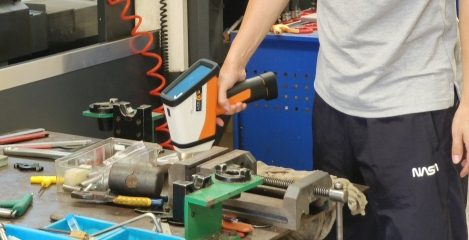
Based on the above recommendations, I highly recommend the AXR Handheld Elemental Analyzer. The main products of the AXR brand include handheld analyzers, online XRF analyzers, desktop X-ray fluorescence spectrometers, etc. The main models of handheld analyzers include handheld alloy analyzers, soil analyzers, ternary lithium battery analyzers, and coating analyzers. , precious metal analyzer. Different models can be selected for different application scenarios. Take the Terra600 series handheld soil heavy metal analyzer as an example. The Terra600 series handheld soil heavy metal analyzer is an important tool for screening soil and sediments to detect heavy metal contaminants. It can detect hazardous heavy metal elements specified in soil environmental quality standards within seconds. content. The Terra 600 series handheld soil heavy metal analyzer is an important tool for screening soil and sediment to detect heavy metal contaminants. It can detect hazardous heavy metals specified in soil environmental quality standards within seconds. Elemental content, so that heavy metal pollution information can be obtained flexibly, quickly, timely and with high precision. It is the main technical means for soil census, emergency monitoring and regional normal monitoring.
Selecting the appropriate handheld XRF analyzer involves a comprehensive assessment of costs and benefits. By understanding the factors that impact the overall ownership costs and prioritizing functionalities that align with specific needs, wise decisions can be made to maximize return on investment. It is essential to consider not only the initial purchase cost but also ongoing expenses such as calibration, training, maintenance, and consumables. Ultimately, a judicious investment in a quality handheld XRF analyzer contributes to improved efficiency, accurate results, and long-term cost savings.
Considering aspects such as initial investment costs, ongoing maintenance and calibration expenses, training and user support, efficiency and productivity gains, as well as warranty and after-sales support, businesses can make informed choices to maximize their investment returns. It is important to remember that focusing solely on the initial purchase price may lead to hidden costs, subpar performance, and long-term productivity decline. By carefully evaluating all aspects of the costs associated with handheld XRF analyzers and balancing them against potential gains, businesses can make informed decisions for higher investment returns.
Investing in a high-quality handheld XRF analyzer that meets specific application requirements, provides reliable support, and enhances efficiency can ultimately improve analytical accuracy, increase productivity, and confer a competitive advantage in the industry. Therefore, before making decisions, take the time to research, compare options, and consult experts to ensure that your investment in a handheld XRF analyzer maximizes returns and contributes to the long-term success of the enterprise.
 Your location:
