

In the constantly evolving fields of materials science and industrial applications, the demand for accurate and efficient material identification and verification is more pressing than ever. A technology playing a pivotal role in this process is the X-ray Fluorescence (XRF) handheld metal alloy analyzer. These portable devices have become indispensable tools across various industries, providing rapid and non-destructive analysis of metal alloys. Accurate identification and verification of metal alloys are crucial in ensuring product quality, compliance with regulatory requirements, and even safety across different sectors. Traditionally, this task involved complex and time-consuming methods conducted in laboratories. However, with the advent of XRF handheld metal alloy analyzer, this process has undergone a revolutionary transformation. In this article, we will explore the capabilities of XRF handheld analyzers and how they contribute to enhancing material identification and verification.
X-ray Fluorescence (XRF) is a non-destructive analytical technique used for elemental analysis of various materials. Portable XRF analyzers leverage the principles of this technology to identify and quantify the elemental composition of metal alloys. The device emits X-rays onto the sample, causing the atoms to emit characteristic X-ray radiation. By measuring the energy and intensity of these emitted X-rays, the analyzer can determine the elemental composition of the material.
One of the key advantages of XRF portable analyzers is their portability. Traditional laboratory-based XRF instruments are often bulky and require samples to be brought to the instrument for analysis. In contrast, portable analyzers bring the instrument to the sample, enabling real-time on-site analysis. This portability is particularly valuable in industries such as manufacturing, recycling, and scrap metal processing, where quick and accurate material identification is crucial.
XRF portable analyzers are versatile tools capable of analyzing a wide range of metal alloys. From stainless steel and aluminum to nickel alloys and titanium, these devices can provide accurate results for various materials commonly used in industries such as aerospace, automotive, and construction. The ability to analyze a diverse range of alloys makes XRF portable analyzers valuable assets for quality control, ensuring that materials meet specified composition requirements.
Advancements in XRF technology have led to improvements in the accuracy and precision of portable analyzers. These devices are now capable of providing reliable results with minimal user training. Some models feature advanced algorithms and data processing capabilities, further enhancing the accuracy of elemental analysis. This ensures that manufacturers and other stakeholders can confidently make decisions based on the information obtained from these analyzers.
XRF portable analyzers play a crucial role in quality control and compliance across various industries. By quickly and accurately identifying materials, these devices help ensure that products meet industry standards and regulatory requirements. This is particularly important in sectors where the use of specific alloys is mandated for safety and performance reasons, such as in the production of medical devices or components for critical infrastructure.
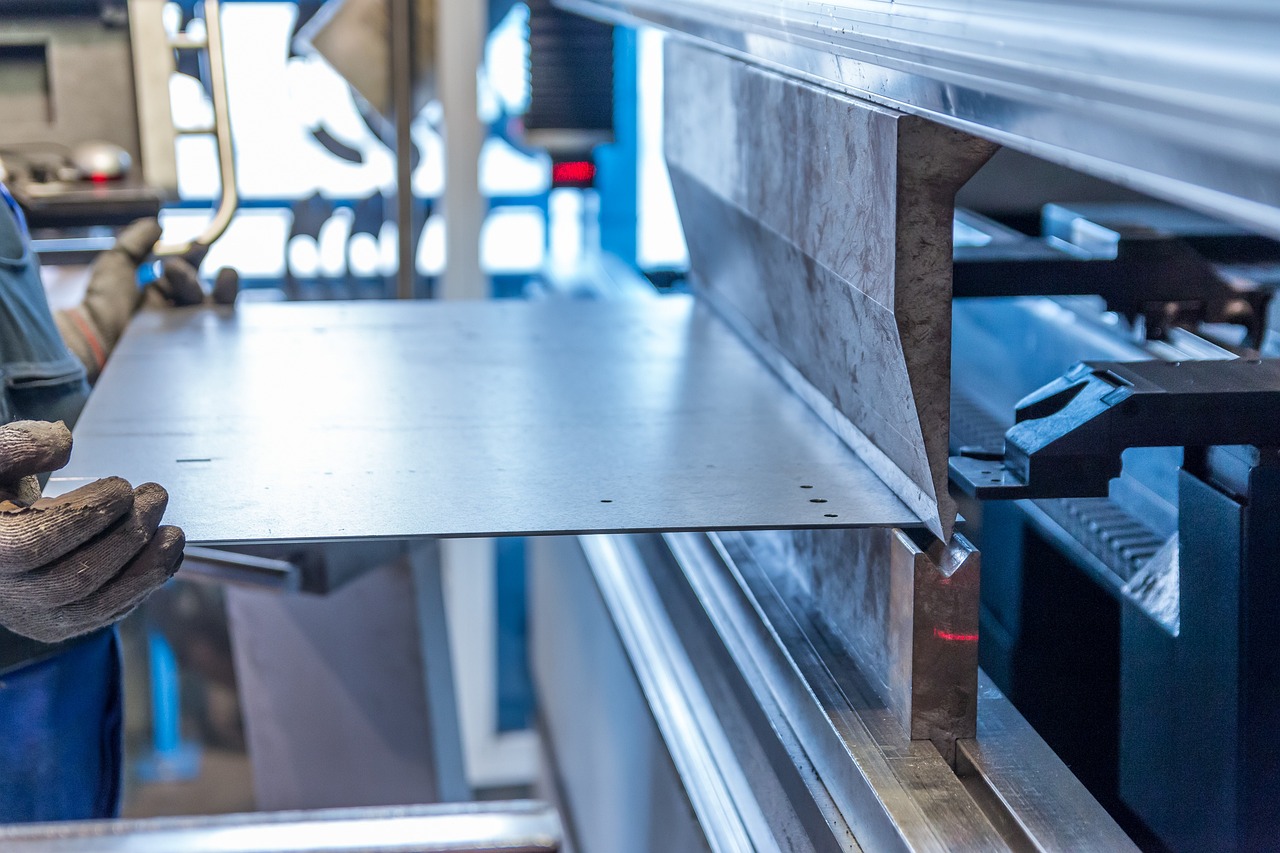
A real-world application case of an XRF analyzer in the field of alloys involves its use in the production and quality control of metal alloys. For instance, a company manufacturing aerospace components may employ an XRF analyzer to verify the composition of the metal alloys used, ensuring compliance with the stringent standards and regulations of the aerospace industry.
Industry: Aerospace Manufacturing
Application: Alloy Composition Verification
Scenario: A manufacturer of aerospace components utilizes various types of metal alloys in the production of components, including aluminum alloys, nickel alloys, and others. The precise composition of these alloys is crucial to ensuring the quality, strength, and durability of the components. The company introduces an XRF analyzer for the rapid and accurate analysis of alloy composition during the production process.
Alloy Sample Analysis: During the production process, engineers and quality control personnel take samples from the production line and analyze these alloy samples using the XRF analyzer.
Element Identification and Verification: The XRF analyzer, by measuring the characteristic X-ray radiation of elements in the sample, accurately identifies and verifies the content of various elements in the alloy. This includes but is not limited to elements such as aluminum, nickel, titanium, etc.
Swift Results: The XRF analyzer provides rapid analysis results, facilitating more efficient decision-making on the production line. If any alloy component deviates from specifications, the manufacturer can promptly take corrective measures to ensure product quality.
Quality Control: The XRF analyzer serves as a crucial quality control tool during the production process, ensuring that the manufactured metal alloys comply with industry and company quality standards.
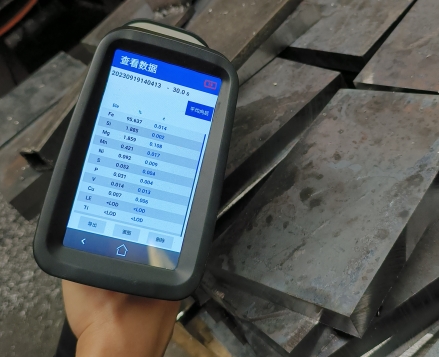
By introducing the XRF analyzer, the aerospace component manufacturer realizes the following benefits:
1.Real-time analysis of alloy composition, eliminating delays associated with traditional laboratory testing.
2.Increased production efficiency, reducing waste and rework caused by non-compliant alloy compositions.
3.Improved product quality and consistency, ensuring that the produced components meet the stringent standards of the aerospace industry.
4.This case highlights the practical application of XRF analyzers in the alloy domain, providing the manufacturing industry with a rapid, accurate, and non-destructive solution for elemental analysis.
AXR Terra900 series is a good choice for metal analysis in many fileds, delivering rapid, accurate results right in your hand. Due to the advanced electronics and state-of-the-art mathematical algorithms, Terra900 series provide ultimate quality of measurement within a couple of seconds, which makes it an ideal solution for checking and analyzing incoming material, finished goods and in process production parts with a non-destructive way. With operating simplicity, you can view the alloy grade and chemistry on the touch screen display with just a few seconds to obtain lab-quality chemistry, requiring minimal training and little or no sample preparation for all shape and size of sample.Terra900 handheld applications are not limited to solid but can also measure liquids and powders . Terra900 series handheld alloy analyzer are wildly used for alloy grade identification and quality control, scrap metal recycling, precious metals, PMI and so on.
Taking the field of scrap metal recycling as an example, the AXR Terra900 series finds widespread application in this domain due to its outstanding performance. Just in terms of the variety of alloys, it can detect Magnesium alloys, Aluminium alloys, Titanium alloys, Stainless steels, Low alloy steels, Tool steels, Cobalt alloys, Nickel alloys, Copper alloys, Zinc alloys, Precious alloys, Brasses, Bronzes, and more, including but not limited to those listed. In various aspects of the entire field's application, handheld alloy analyzers are employed in the following areas: sorting and separation of ferrous and non-ferrous scrap, input control of materials, including Ferroalloys, confirmation of grades of steels and alloys, composition control during melting, certification analysis of metallurgical products. Hence, it holds a pivotal position in the scrap metal recycling industry.
The XRF portable metal alloy analyzer has become an indispensable tool for material identification and verification across various industries. Its portability, versatility, and advanced analytical capabilities make it a valuable asset for quality control, ensuring that materials meet stringent requirements. With continuous technological advancements, we can anticipate further improvements in portable XRF analyzers, expanding their application scope and driving ongoing enhancements in the material analysis process.
 Your location:
