

In metallurgy, precision and quality control are crucial. The integrity of metal alloys directly impacts the performance and safety of end products in a variety of industries, from aerospace to manufacturing. Whether in the manufacturing, construction or aerospace industries, the composition and properties of alloys can have a significant impact on the performance and safety of the final product. Handheld alloy testers have become an indispensable tool in quality control, enabling real-time analysis and ensuring compliance with industry standards. As technology continues to evolve, so does the need for efficient and reliable methods for alloy composition assessment. One technological marvel that is making waves in the metallurgical community is the handheld alloy tester, a powerful tool that is changing the landscape of quality control.
Metal alloys are combinations of different metals and elements crafted to exhibit specific properties such as strength, durability, and corrosion resistance. The precise composition of an alloy determines its mechanical and chemical properties, so maintaining strict quality control measures during production is crucial for all industries.
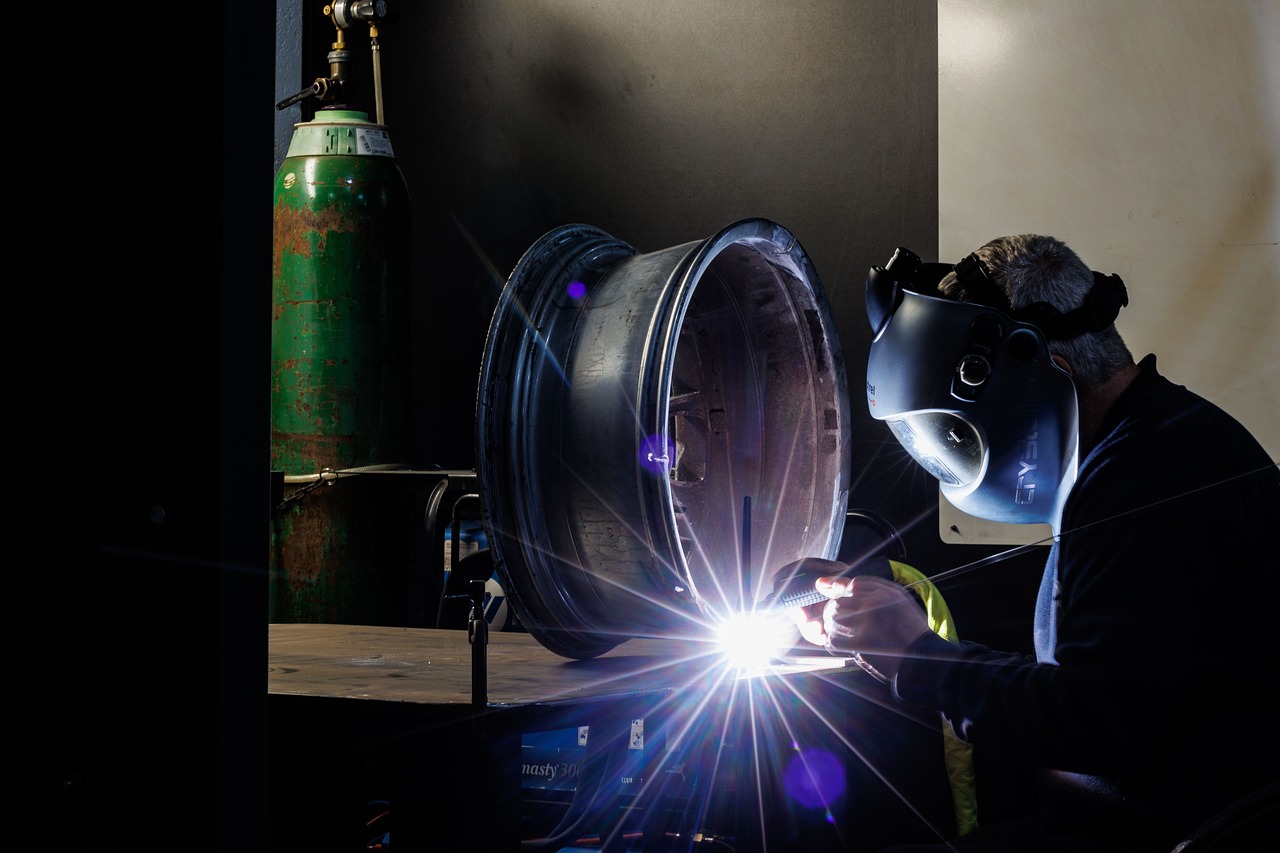
Historically, analyzing alloy composition involved time-consuming laboratory testing that could delay production and increase costs. However, handheld alloy testers revolutionize this process, providing real-time, on-site analysis without compromising accuracy.
These portable devices use advanced technologies such as X-ray fluorescence (XRF) and laser-induced breakdown spectroscopy (LIBS) to quickly and non-destructively determine the elemental composition of metal alloys. This capability enables manufacturers to make instant decisions on the shop floor, reducing downtime and reducing the risk of producing defective products.
Fast Analysis: Handheld alloy testers instantly analyze the composition and properties of alloys. Using these portable devices, engineers and technicians can quickly determine the elemental composition of an alloy, identify impurities and evaluate the alloy's mechanical properties. This capability is particularly beneficial in industries that require on-site analysis, such as metal processing, automotive manufacturing, and quality assurance on construction projects. Handheld alloy testers provide results in seconds, enabling quick decisions during production. This efficiency helps streamline production processes and reduce the time and resources required for traditional laboratory testing.
Field Testing: Handheld alloy testers play a vital role in verifying the authenticity and quality of materials. Counterfeit and inferior alloys can lead to product failures, safety hazards and financial losses. By performing non-destructive testing, these devices enable professionals to verify alloy grades and ensure materials meet specified standards and regulatory requirements. This helps prevent the use of inferior alloys, ensuring the reliability and performance of the final product. The portability of these devices enables on-site testing, eliminating the need to transport samples to offline laboratories. This not only saves time but also ensures that the results are obtained in a real production environment and more accurately reflect the properties of the alloy.
Versatility: Modern handheld alloy testers offer a variety of testing techniques to suit the needs of different industries. These devices can analyze the elemental composition and properties of alloys using methods such as X-ray fluorescence (XRF), laser-induced breakdown spectroscopy (LIBS) or optical emission spectroscopy (OES). The equipment's versatility enables comprehensive and accurate testing of a variety of alloy types, including steel, aluminum, titanium and nickel-based alloys.
Non-destructive testing: Handheld alloy testers enable manufacturers to implement strict quality control measures in the field. By performing real-time analysis, these devices allow for instant adjustments and corrective actions during the manufacturing process. They help identify deviations in alloy composition or properties from expected values, allowing timely intervention to maintain consistent quality. This capability improves operational efficiency, reduces production downtime, and reduces the risk of production defects or non-conformity to standards. Unlike some traditional methods that require sample destruction, handheld alloy testers provide non-destructive testing. This means the integrity of the test material is preserved and manufacturers can confidently use analyzed products in end applications.
User-Friendly Interface: The handheld alloy tester comes with advanced data management and documentation capabilities. They can store and organize test results, generate reports, and facilitate data sharing and analysis. This helps trace and ensure accountability during the quality control process, ensuring that all necessary documentation and records are readily available for audits and regulatory compliance. Tracking and analysis of historical data also helps identify trends, make informed decisions and optimize manufacturing processes. The handheld alloy tester is designed with a user-friendly interface to enable operators of all skill levels to perform accurate analyses. Some devices even offer customizable settings and data storage options for added flexibility.
AXR Terra900 series is a good choice for metal analysis in many fileds, delivering rapid, accurate results right in your hand. Due to the advanced electronics and state-of-the-art mathematical algorithms, Terra900 series provide ultimate quality of measurement within a couple of seconds, which makes it an ideal solution for checking and analyzing incoming material, finished goods and in process production parts with a non-destructive way. With operating simplicity, you can view the alloy grade and chemistry on the touch screen display with just a few seconds to obtain lab-quality chemistry, requiring minimal training and little or no sample preparation for all shape and size of sample.Terra900 handheld applications are not limited to solid but can also measure liquids and powders . Terra900 series handheld alloy analyzer are wildly used for alloy grade identification and quality control, scrap metal recycling, precious metals, PMI and so on.
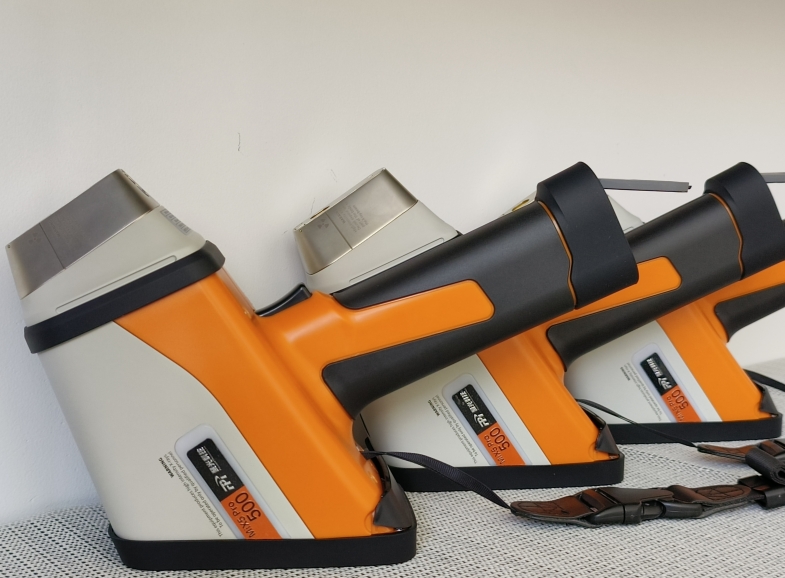
As various industries set higher standards for product quality, the role of handheld alloy testers in metallurgical quality control becomes increasingly indispensable. These portable devices provide instant analysis, rapid material verification and on-site quality control, ensuring the integrity and reliability of alloys used in various industries. With their versatility, advanced data management capabilities and evolving technological advancements, handheld alloy testers have become indispensable tools for maintaining the highest quality control standards. These portable devices enable manufacturers to make informed decisions in real time, ensuring that the alloys used in their products meet the stringent standards required for safety and performance. As technology continues to advance, the age of metallurgical wonders has undoubtedly arrived, and handheld alloy testers are at the forefront of this transformative journey.
 Your location:
