

In the pursuit of a cleaner and more sustainable future, the repurposing of used catalytic convertors has emerged as an innovative solution. Catalytic converters play a crucial role in reducing harmful emissions from vehicles by transforming toxic pollutants into less harmful substances. However, when these converters reach the end of their lifespan, they often become waste. As the world urgently addresses environmental challenges, innovative and sustainable solutions are paramount for creating a cleaner and healthier future. Repurposing used catalytic converters is one such solution—these components are integral in vehicles, playing a pivotal role in mitigating harmful emissions. This article explores the potential of repurposing used catalytic converters as a sustainable initiative to promote environmental well-being.
Catalytic converters are devices installed in vehicles to reduce the emission of harmful pollutants, such as nitrogen oxides, carbon monoxide, and hydrocarbons. Through a complex chemical process, these devices transform these pollutants into less harmful substances before releasing them into the atmosphere. While catalytic converters significantly contribute to improving air quality, they generate a substantial amount of waste when they reach the end of their life cycle.
Improper disposal of used catalytic converters poses environmental challenges. These devices contain precious metals such as platinum, palladium, and rhodium, which are finite resources. Additionally, inadequate handling of catalytic converters may lead to the release of hazardous substances into the environment. By repurposing used converters, we can reduce waste generation, decrease the demand for new mining and extraction of precious metals, thus alleviating environmental impacts.
Traditionally, used catalytic converters have been disposed of as scrap metal or sent to landfills, presenting environmental risks due to the presence of heavy metals and other potentially harmful substances. The improper disposal of these devices not only contributes to pollution but also wastes valuable resources embedded in their construction, including platinum, palladium, and rhodium – all considered precious metals.
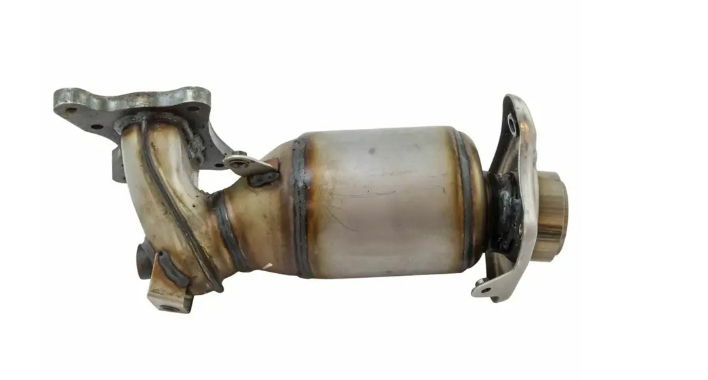
The repurposing of catalytic converters involves extracting valuable materials and components for reuse, thereby reducing the environmental impact associated with their disposal. The reuse of used catalytic converters encompasses the recovery and recycling of valuable materials. The recovery process typically includes extracting precious metals from the discarded converters. These metals can then be reintroduced into the production of new catalytic converters or other industrial applications. By implementing efficient recycling methods, we can conserve resources, reduce energy consumption, and lower greenhouse gas emissions associated with the production of new materials.
The precious metals found in catalytic converters are not only valuable but also finite resources, making their recovery crucial for sustainability. The primary components of catalytic converters—platinum, palladium, and rhodium—are highly sought after in various industries, including electronics and jewelry. Through the adoption of advanced recycling technologies, these precious metals can be efficiently recovered from used catalytic converters, reducing the reliance on mining for these scarce resources.
The repurposing of catalytic converters contributes to the conservation of natural resources, reducing the environmental footprint associated with the extraction and processing of raw materials. Additionally, it diminishes the demand for landfill space and alleviates the potential release of pollutants during traditional disposal processes.
The repurposing of used catalytic converters not only benefits the environment but also provides economic opportunities. Recovered precious metals can be reintroduced into the market, fostering a more sustainable and circular economy. Additionally, businesses engaged in the recycling and repurposing of catalytic converters can contribute to job creation and economic growth. Repurposing used catalytic converters also brings forth economic prospects. Recovering precious metals from discarded converters can serve as a economically viable alternative to the extraction and refining of new metals. Furthermore, the growing demand for these metals in various industries, including automotive, electronics, and renewable energy, creates a market for recycled materials. This not only stimulates the development of the recycling industry but also contributes to the advancement of a circular economy.
Reused catalytic converters can find applications beyond their original purpose. The precious metals recovered from discarded converters can be applied in various fields such as chemical catalysis, renewable energy technologies, and the electronics industry. For instance, platinum group metals extracted from used converters can be utilized in fuel cells or hydrogen generation systems, promoting cleaner energy generation. By exploring these innovative applications, we can maximize the value derived from repurposed catalytic converters.
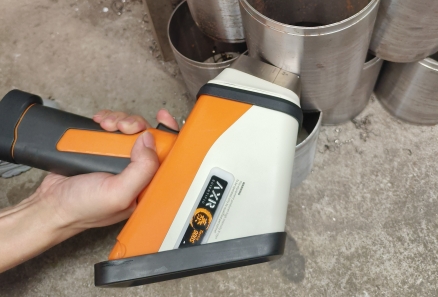
The successful utilization of used catalytic converters requires collaboration from all stakeholders. Governments, industries, recycling facilities, and consumers play crucial roles in establishing efficient collection, recycling, and recovery systems. Public awareness and educational programs can promote responsible disposal practices and encourage individuals to recycle used converters. Additionally, technological advancements and research into recycling methods can further enhance the efficiency of the repurposing process.AXR Terra900 Handheld metal analyzer can catalyze the oxidation-reduction reaction of carbon monoxide, nitrogen-hydrogen compounds and nitrogen-oxygen compounds in the automobile exhaust, reducing automobile exhaust pollution, which is an essential part of the automotive industry. Because the three-way catalyst contains platinum (Pt), palladium (Pd), rhodium (Rh) and other rare and precious metals, these metals can be recycled and reused and are conducive to environmental protection, so the recycling of the three-way catalyst and the identification of true and false need to be fast and effective analysis and detection methods.
Repurposing used catalytic converters offers a sustainable solution for creating a more environmentally friendly and sustainable future. By recovering and recycling valuable materials, we can reduce waste generation, conserve resources, and minimize environmental impact. The economic incentives and innovative applications resulting from the reuse of converters further stimulate the development of a circular economy and technological advancements. Through collaborative efforts and responsible practices, we can harness the full potential of used catalytic converters, paving the way for a more sustainable and eco-friendly tomorrow.
 Your location:
