

Catalytic converters play a crucial role in reducing vehicle emissions, contributing to the creation of cleaner air and a healthier environment. However, ensuring the optimal performance of these emission control devices requires regular testing. Catalytic converters are pivotal in reducing the harmful substances emitted by vehicles, making them a key component for environmental protection and compliance with emission standards. To ensure the effectiveness of catalytic converters, various tests are conducted to assess their performance and functionality. In this article, we will delve into the world of catalytic convertor test, exploring their principles of operation and their significance for vehicle performance and environmental conservation.
Before delving into the intricacies of testing, let's briefly grasp the role of a catalytic converter. Situated within the exhaust system, this device transforms harmful gases generated during the combustion process into less harmful substances. The core components of a catalytic converter include a catalyst substrate, typically crafted from ceramic coated with precious metals like platinum, palladium, and rhodium. These metals facilitate the chemical reactions that convert pollutants into less harmful compounds.
Emissions Inspection:Emissions inspection, also known as a tailpipe test, measures the levels of pollutants emitted by a vehicle. This test provides a comprehensive overview of a vehicle's emission performance, including nitrogen oxides (NOx), carbon monoxide (CO), and hydrocarbons (HC). If emissions exceed permissible limits, it may indicate a malfunctioning catalytic converter. It involves measuring pollutant levels emitted by the vehicle under specific conditions. Emission testing ensures compliance with emission standards, contributing to improved air quality. These tests also aid in identifying faulty or inefficient catalytic converters, which may require repair or replacement.
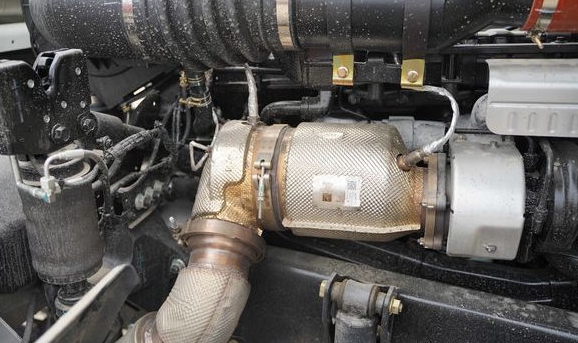
Modern vehicles are equipped with On-Board Diagnostics (OBD) systems that continuously monitor the performance of various components, including the catalytic converter. The OBD test detects potential issues, triggering a warning light on the dashboard if a problem is identified. A diagnostic code is stored, aiding technicians in pinpointing the specific concern during further testing. OBD testing involves checking the diagnostic codes generated by the vehicle's computer system to detect any issues related to the catalytic converter. A malfunctioning converter may trigger error codes, indicating issues such as catalytic efficiency below threshold or oxygen sensor malfunctions.
Tailpipe gas analysis involves collecting and analyzing exhaust gases to determine the levels of pollutants. This test directly assesses the efficiency of the catalytic converter. Elevated levels of pollutants suggest a potential problem with the converter or other components in the emissions control system. This test provides real-time data on the levels of carbon monoxide, nitrogen oxides, and hydrocarbons released into the environment. By comparing emission levels with regulatory standards, the efficiency of the catalytic converter can be evaluated. It also helps identify potential causes of excessive emissions, prompting corrective measures.
Catalytic converters undergo durability and aging tests to evaluate their performance over time. These tests simulate various conditions, including high temperatures and prolonged usage, to assess the converter's ability to maintain effectiveness. Durability testing ensures that the catalytic converter can withstand harsh conditions and continues to reduce emissions throughout its lifespan.
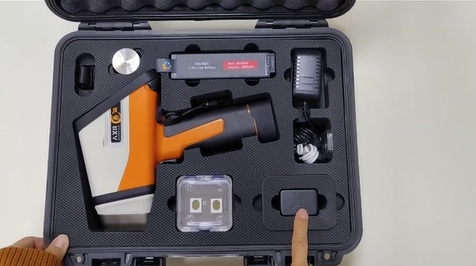
X-ray Fluorescence (XRF) analyzers have widespread applications in the catalytic converter field, primarily used for analyzing the composition and content of precious metal catalysts in catalytic converters.As we already know, three-way catalytic converter is the most important external purification device installed in the automobile exhaust system. The catalyst in the three-way catalytic converter can catalyze the oxidation-reduction reaction of carbon monoxide, nitrogen-hydrogen compounds and nitrogen-oxygen compounds in the automobile exhaust, reducing automobile exhaust pollution, which is an essential part of the automotive industry. Because the three-way catalyst contains platinum (Pt), palladium (Pd), rhodium (Rh) and other rare and precious metals, these metals can be recycled and reused and are conducive to environmental protection, so the recycling of the three-way catalyst and the identification of true and false need to be fast and effective analysis and detection methods.With Terra900 Handheld РФА spectrometers, it takes just seconds to give the result comparing with hours or days as in a laboratory. Together with simple operation training and easy sample preparation, they are ideal and affordable solution for the daily business for quality control and price evaluation during catalyst’s dealing.AXR Scientific Terra900 series handheld РФА analyzers can be equipped with car catalyst calibration and provide fast, on-site analysis of spent car catalysts, with minimum sample preparation required. It can easily and reliably be used in the recycling and refining process of automotive catalytic converters to determine the concentration of platinum, palladium and rhodium. Besides, it can fast analyze other metal elements for the metal scrap from recycled automobiles to do scrap sorting job easily.
Background: A manufacturer of automotive emission control systems faced challenges in enhancing catalytic converter production efficiency and ensuring product quality. They particularly focused on the precious metal catalysts, such as platinum, palladium, and rhodium, in catalytic converters, as these metals are crucial for catalyst performance.
Challenges:Rapid and accurate determination of precious metal content in catalytic converters. Ensuring that each catalytic converter on the production line meets design specifications. Improving production efficiency and reducing laboratory testing time.
Solution:The company adopted X-ray Fluorescence (XRF) analyzers as a solution for the rapid detection of precious metal catalyst content on the production line.
1.Sample Preparation: Randomly select catalytic converter samples from the production line.
2.XRF Analysis: Utilize XRF analyzers to test the samples, emitting X-rays and measuring fluorescence spectra to determine the content of precious metal elements.
3.Data Processing: Analyze the generated data from the instrument, calculating the content of each precious metal.
4.Quality Control: Compare the obtained data with design specifications to ensure the precious metal content in each catalytic converter meets standards.
5.Real-time Feedback: Provide real-time feedback of analysis results to the production line for timely adjustments in the manufacturing process to ensure product quality.
Results:The company achieved rapid and accurate analysis of precious metal content in catalytic converters. This implementation led to increased production efficiency and reduced laboratory testing time. It ensured that every produced catalytic converter adhered to design specifications, enhancing overall product quality and consistency.
This case exemplifies the practical application of XRF analyzers in catalytic converter manufacturing, offering manufacturers a swift and reliable method for monitoring critical element content, thereby ensuring product compliance with quality standards.
In conclusion, demystifying catalytic converter tests reveals their significance in maintaining vehicle efficiency and environmental well-being. From emissions inspections to on-board diagnostics, these tests play a crucial role in timely identification and correction of issues. Understanding the principles and importance of catalytic converter tests allows vehicle owners and technicians to contribute to a greener and more sustainable future. Regular testing not only ensures compliance with emission standards but also extends the lifespan of vehicles, reducing their overall environmental footprint.
 Your location:
