

In the realm of modern manufacturing and material analysis, the ability to accurately determine the composition of alloys is of paramount importance. Whether it's ensuring the structural integrity of a skyscraper or guaranteeing the performance of cutting-edge electronics, the elemental makeup of alloys plays a vital role. Enter the XRF Alloy Analyzer – a groundbreaking technology that has revolutionized quality control and alloy identification across a multitude of industries.
XRF, or X-Ray Fluorescence, Alloy Analysis is a non-destructive analytical technique that has emerged as a cornerstone of materials science. The principle is elegantly simple yet remarkably powerful. By subjecting a sample to X-rays, scientists can induce the emission of fluorescent X-rays from the atoms within the material. These emitted X-rays possess unique energy signatures, providing a fingerprint of the elements present in the sample.
The magic happens when these emitted X-rays are collected and analyzed. Sophisticated detectors capture the energy and intensity of the X-rays, allowing the instrument to identify which elements are present and even quantify their concentrations. From steels to aluminum alloys, from precious metals to industrial materials, the XRF Alloy Analyzer can decipher their atomic secrets swiftly and accurately.
Handheld Alloy Analyzer Terra900 Series are good choice for metal analysis in many fileds, delivering rapid, accurate results right in your hand.Here are some features of it.1.Fast Results. Terra 900' algorithm perfectly adopts powerful fundamental parameters method (FP). With a triggering, the alloy grade can be identified within 1-2 seconds. 2.Nondestructive Analysis. Unlike destructive testing, samples remain undamaged by X ray. 3.Easy to Operate. Ergonomic design, light weight, small size and good balance for holding in hand. Large capacity of battery ensures work for 10-12 hours for onsite testing without worrying recharging. 4.Minimal Maintenance Cost. Anti-puncture window design effectively protects the front end of the device.Rugged design with IP54 standard dustproof and waterproof. 5.Minimal Training. With easy operation design, user needs the minimal training for operation. Icon-style user interface very intuitive and simple.
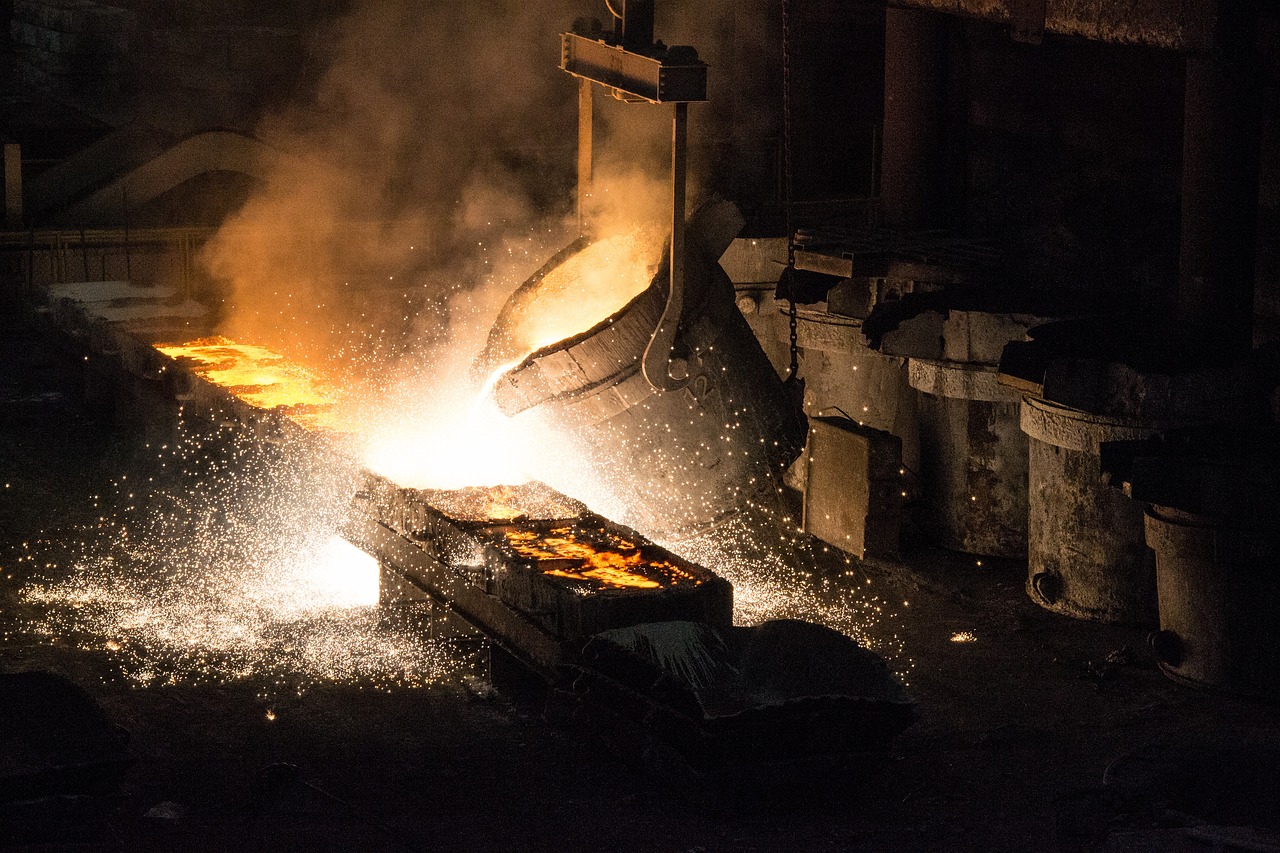
The adoption of XRF Alloy Analyzer has brought about a wave of advantages that have redefined quality control processes and alloy identification procedures:
Speed and Efficiency: Traditional methods of alloy analysis often involve time-consuming and sometimes destructive procedures. XRF analysis, on the other hand, provides results in a matter of seconds, allowing for rapid decision-making in real-time scenarios.
Non-Destructive Nature: One of the most significant advantages of XRF Alloy Analysis is its non-destructive nature. This means that samples can be analyzed without altering or damaging them, making it particularly valuable when dealing with rare or precious materials.
Precision and Accuracy: The quantitative nature of XRF analysis ensures precise measurements of elemental concentrations within alloys. This accuracy is vital for guaranteeing that alloys meet stringent quality standards and specifications.
Portability and Accessibility: With the advent of portable handheld XRF analyzers, the technology has transcended the confines of laboratories. From factory floors to archaeological digs, these instruments have made alloy analysis accessible and efficient in a wide array of settings.
Multielement Detection: XRF Alloy Analyzers are adept at detecting a broad spectrum of elements, ranging from light to heavy. This comprehensive elemental coverage enables the identification of impurities, trace elements, and major constituents.
User-Friendly Interfaces: The user interfaces of modern XRF analyzers have been designed to be user-friendly and intuitive. This means that operators can quickly become proficient in using the technology, reducing training time and operational errors.
From Industry to Archaeology: Versatility in Application
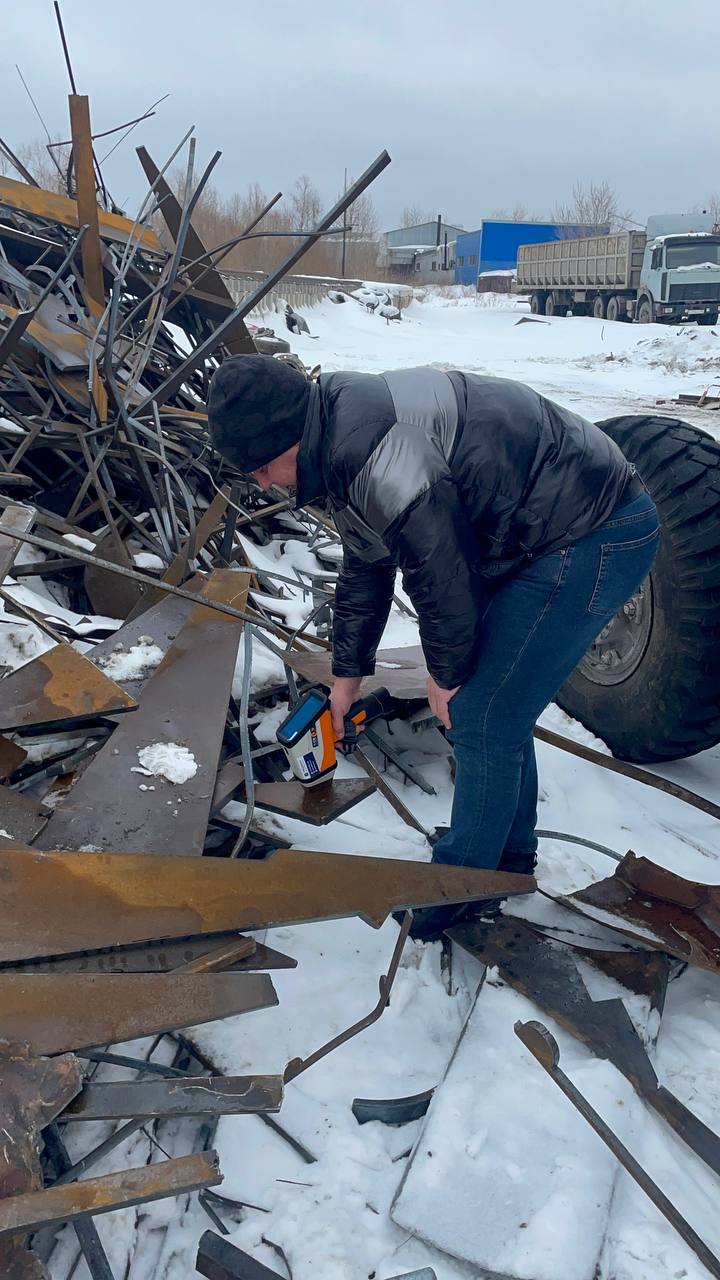
Metallurgy and Manufacturing: In the production of metals and alloys, ensuring the correct composition is imperative. XRF analysis is indispensable for quality control, as it enables manufacturers to validate their materials before they're incorporated into critical applications.
Mining and Exploration: XRF analyzers assist in mineral exploration by rapidly determining the elemental composition of geological samples. This aids in identifying potential mining sites and estimating resource yields.
Electronics and Aerospace: The electronics and aerospace industries rely on precise alloys for their products. XRF analysis helps guarantee that these alloys meet stringent standards, ensuring the performance and reliability of electronic components and aircraft parts.
Archaeology and Conservation: Beyond industrial applications, XRF Alloy Analyzers are employed in archaeology and art conservation. These instruments shed light on the provenance and history of artifacts by analyzing the composition of metals used in their creation.
While XRF Alloy Analysis is indeed a game-changer, it's important to acknowledge its limitations. The technique may not be as sensitive as certain other analytical methods, and factors such as sample thickness and matrix effects can influence its accuracy. Additionally, XRF provides elemental information but doesn't offer molecular or crystallographic details.
As technology continues to evolve, XRF Alloy Analyzers are likely to become even more sophisticated, potentially addressing some of these limitations. Enhanced sensitivity, improved accuracy, and expanded analytical capabilities could further solidify the position of XRF analysis as a cornerstone of modern materials science.
In the grand tapestry of innovation, the XRF Alloy Analyzer has woven itself as a vibrant thread, connecting industries, enabling discoveries, and ensuring the reliability of our engineered world. With its rapid analysis, non-destructive nature, and precision, this technology stands as a testament to human ingenuity, forever changing the way we understand and work with alloys.
 Your location:
