

In today's world, the concept of turning trash into treasure has never been more relevant. One surprising example of this can be found in the automotive industry, where discarded catalytic converters have become an unexpected source of value. These seemingly worthless automotive components hold significant worth in the scrap industry due to their precious metal content. In this article, we'll delve into the world of catalytic converters, exploring their function, the valuable metals they contain, and the factors that contribute to their scrap value.
Catalytic converters, an essential component of modern automobiles, play a critical role in reducing harmful emissions. They convert noxious gases produced during the combustion of fossil fuels into less harmful substances, primarily carbon dioxide, nitrogen, and water vapor. By doing so, they help to mitigate the environmental impact of vehicle emissions and contribute to cleaner air.
Catalytic converters contain a variety of precious metals, which are crucial for their ability to facilitate chemical reactions. The most common precious metals found in catalytic converters include platinum, palladium, and rhodium. These metals serve as catalysts, promoting chemical reactions that convert harmful pollutants into less harmful byproducts.
Platinum: Platinum is highly effective at catalyzing the conversion of carbon monoxide and hydrocarbons into carbon dioxide and water vapor. It's also excellent at reducing nitrogen oxides to nitrogen and oxygen.
Palladium: Palladium is effective at catalyzing the oxidation of carbon monoxide and hydrocarbons. It works in concert with platinum to ensure efficient emission reduction.
Rhodium: Rhodium plays a crucial role in reducing nitrogen oxides into nitrogen and oxygen. It is particularly essential for gasoline-powered vehicles.
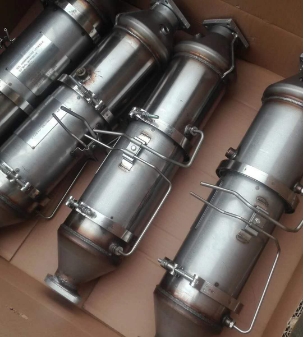
The precious metals contained within catalytic converters make them an attractive commodity in the scrap metal industry. Catalytic converter scrap value largely depends on several key factors:
Current Metal Prices: The market price of platinum, palladium, and rhodium fluctuates regularly. Consequently, the scrap value of catalytic converters can vary significantly based on the prevailing market conditions.
Converter Type: There are different types of catalytic converters, such as ceramic and metallic substrate converters. Some may contain more precious metals than others, affecting their scrap value.
Converter Age: Older catalytic converters may contain a higher concentration of precious metals since the requirements for emissions control have become more stringent over time.
Condition: The condition of the catalytic converter is a significant factor in determining its scrap value. Damaged or heavily corroded converters may be worth less due to the difficulties in extracting the precious metals.
Quantity: Collecting a large number of catalytic converters can increase their overall scrap value.
While there's potential profit to be made from recycling catalytic converters, it's important to consider the ethical and environmental aspects. The extraction and recycling of precious metals require specific processes that can have environmental consequences if not managed responsibly. Additionally, catalytic converters are essential for reducing harmful emissions, so the recycling process should not compromise the overall goal of cleaner air.
The catalyst in the three-way catalytic converter can catalyze the oxidation-reduction reaction of carbon monoxide, nitrogen-hydrogen compounds and nitrogen-oxygen compounds in the automobile exhaust, reducing automobile exhaust pollution, which is an essential part of the automotive industry. Because the three-way catalyst contains platinum (Pt), palladium (Pd), rhodium (Rh) and other rare and precious metals, these metals can be recycled and reused and are conducive to environmental protection, so the recycling of the three-way catalyst and the identification of true and false need to be fast and effective analysis and detection methods.
With Terra900 Handheld XRF spectrometers, it takes just seconds to give the result comparing with hours or days as in a laboratory. Together with simple operation training and easy sample preparation, they are ideal and affordable solution for the daily business for quality control and price evaluation during catalyst’s dealing.
AXR Scientific Terra900 series handheld XRF analyzers can be equipped with car catalyst calibration and provide fast, on-site analysis of spent car catalysts, with minimum sample preparation required. It can easily and reliably be used in the recycling and refining process of automotive catalytic converters to determine the concentration of platinum, palladium and rhodium. Besides, it can fast analyze other metal elements for the metal scrap from recycled automobiles to do scrap sorting job easily.
Catalytic converters, often regarded as automotive waste, hold substantial scrap value due to their precious metal content. Platinum, palladium, and rhodium found in these devices play a pivotal role in reducing harmful emissions from vehicles. Understanding the factors that influence the scrap value of catalytic converters is essential for those interested in recycling and contributing to a more sustainable future. However, it is equally important to balance the economic benefits of recycling with environmental and ethical considerations to ensure that turning this automotive trash into treasure is done responsibly.
 Your location:
