

In the continuous development of modern industry, efficiency is not only a goal, but also a necessary condition for success. Industries that rely on accurate and rapid materials analysis, such as mining, manufacturing and quality control, find a valuable assistant in handheld devices such as metal XRF analyzers. These devices have proven to be indispensable tools for increasing efficiency in various industrial processes. In today's fast-paced industrial environment, efficiency is critical for businesses to stay competitive and maximize productivity. One technology that is significantly changing industrial processes and improving efficiency is metal XRF analyzers. This advanced instrument revolutionizes the way materials are analyzed, enabling rapid and accurate identification and quality control of metals.
Metal XRF (X-ray fluorescence) analyzers are cutting-edge instruments designed to provide rapid, non-destructive elemental analysis of a variety of materials. Whether you work with alloys, metals, or other industrial components, these devices provide unparalleled accuracy in identifying and quantifying elements in your samples. This precision is critical to ensuring the quality and integrity of materials used in industrial processes. Traditionally, metal analysis involves time-consuming and sometimes destructive methods such as chemical analysis or laboratory testing. Metal XRF analyzers provide a non-destructive and fast analysis solution. With their ability to identify and quantify elements in seconds, these analyzers eliminate lengthy sample preparation and waiting times. This efficiency advantage reduces production delays, allowing companies to make informed decisions faster. An important advantage of metal XRF analyzers is their portability, allowing them to be used for on-site testing. Instead of sending samples to external laboratories, companies can perform real-time analysis directly at the production site or warehouse. This capability reduces shipping costs, eliminates sample handling risks, and provides immediate feedback on material quality. By having the power of analytics at their fingertips, manufacturers can make timely adjustments to their processes, ensuring consistent quality and reducing potential downtime.
A key advantage of metal XRF analyzers is their ability to provide real-time analysis. In traditional materials testing methods, samples are typically sent to a laboratory and results can take days or even weeks to come back. This delay can significantly hinder production schedules. With metal XRF analyzers, operators can obtain accurate results in seconds in the field, allowing them to make quick decisions and make on-the-fly adjustments to the production process. Metal XRF analyzers play an important role in quality control and classification work. By quickly determining the elemental composition of metals, these analyzers ensure compliance with industry standards and specifications. Manufacturers can verify the authenticity of incoming materials, identify impurities, and accurately classify alloys. This precise level of quality control reduces rework, reduces scrap, and enhances overall production efficiency.
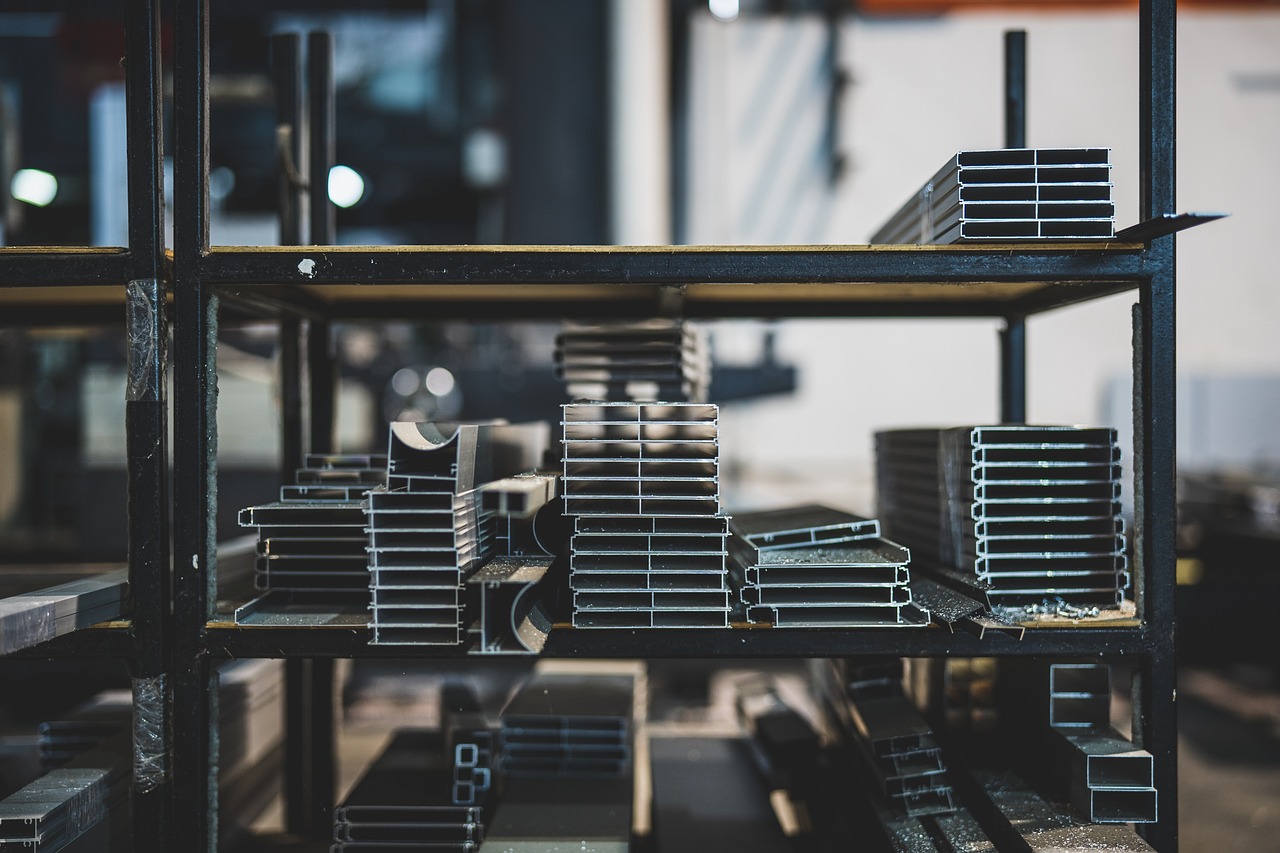
Metal XRF analyzers have found applications in multiple industries, each benefiting from this technology in unique ways. In mining, for example, these analyzers are used to rapidly analyze ore to aid in resource assessment and mine planning. In manufacturing, these devices contribute to quality control by ensuring that the composition of alloys meets specified standards. The versatility of metal XRF analyzers also extends to the recycling sector, where they play a key role in the classification and identification of metals, enabling optimal resource recovery.
Based on this, I would like to introduce the Terra 900 series of handheld alloy analyzers. Handheld XRF analyzers have become an effective tool for quality control in many metal processing and manufacturing fields. They can conduct material testing anytime and anywhere, and are easy to use and maintain. The Terra 900 series handheld alloy analyzer is an ideal tool for metal analysis in multiple fields such as quality control, grade identification, material classification, and safety precautions. Based on advanced electronic technology and unique software algorithms. The Terra 900 Series completes metal composition analysis in seconds and displays the alloy grade and elemental content on the touch screen. Users can operate the instrument proficiently with only simple training. Sample detection is not limited by location, sample shape and size, and does not require sample preparation. Its advantages are very obvious, such as: second-level detection, non-destructive determination of metal grades, and laboratory-level analysis results; the instrument uses high-performance Si-Pin or SDD (graphene window) detectors; it adopts the basic parameter method and theoretical influence coefficient. The powerful algorithm combined with the method solves the problem of linear inconsistency in the high and low content of some elements, and improves the operating efficiency and detection accuracy; the alloy grade library covers at least 1,600 alloy grades. Ergonomic design, light weight, small size, good holding balance; tapered test head, easy to detect bends or corners; no consumables required during use; anti-puncture window design effectively protects the front end of the device; sturdy and durable, dustproof and waterproof Performance reaches IP54 standard. The unique AXRUNI structural design effectively increases light tube heat dissipation; the integrated design of engineering plastics and aluminum alloy complies with ergonomic principles. No calibration is required before use; custom curve calibration can be performed to obtain more targeted and accurate detection results when customers have special requirements.
Integrating metal XRF analyzers into industrial processes brings significant cost benefits. By minimizing the need for on-site lab testing and reducing the time required for analysis, businesses can optimize their resources and streamline workflows. Additionally, the non-destructive nature of XRF analysis means the sample remains intact, eliminating the need for additional material to compensate for possible sample loss. Investing in a metal XRF analyzer can bring real cost savings in the long term. By reducing reliance on external testing facilities, companies can save on lab fees, shipping costs, and related administrative expenses. Additionally, the ability to accurately identify and classify metals reduces material waste, optimizes alloy usage, and enhances inventory management. These cumulative savings provide businesses with a significant return on investment, making metal XRF analyzers a smart choice for companies looking to increase efficiency.
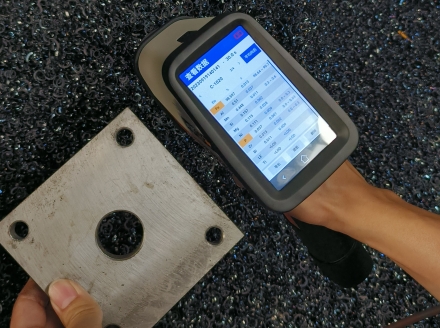
In industries where safety and compliance are critical, metal XRF analyzers provide extra assurance. By quickly evaluating a material's composition, operators can ensure products meet industry standards and regulatory requirements. Not only does this enhance the safety of the final product, it also reduces the risk of expensive recalls or legal disputes.
Metal XRF analyzers have become an indispensable tool for improving the efficiency of industrial processes. By providing fast, non-destructive analysis, enabling on-site testing, ensuring quality control, simplifying supply chain management and saving costs, these analyzers enable companies to make informed decisions quickly, reduce production delays and maximize productivity. As the industry continues to evolve, metal XRF analyzers will play an increasingly important role in driving efficiency and achieving sustainable growth. In summary, integrating metal XRF analyzers into industrial processes is a significant leap in efficiency and productivity. These handheld devices give operators access to real-time, accurate data, allowing them to make informed decisions and make immediate adjustments to the production process. As industries continue to evolve, the role of metal XRF analyzers in optimizing industrial processes will become even more apparent, driving technological advancements and contributing to the overall success of companies that adopt these innovative tools.
 Your location:
